Auteur : Admin_GT

  • irradier.irradiate (v2015)

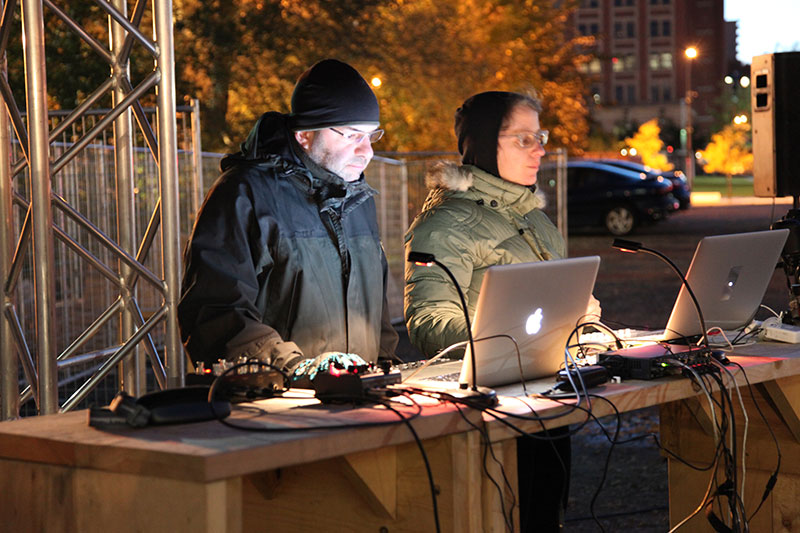
    Réalisation : Ælab ( Gisèle Trudel ) et Guillaume Arseneault.
    photo couverture : Frédérique Ménard-Aubin.

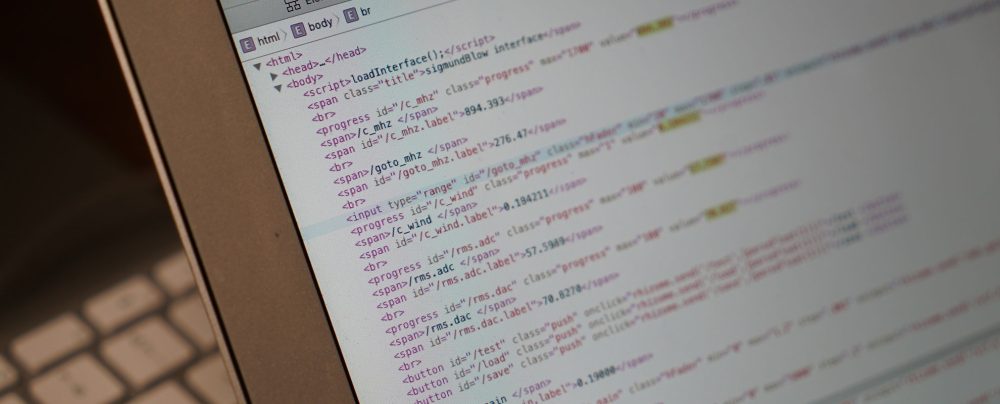
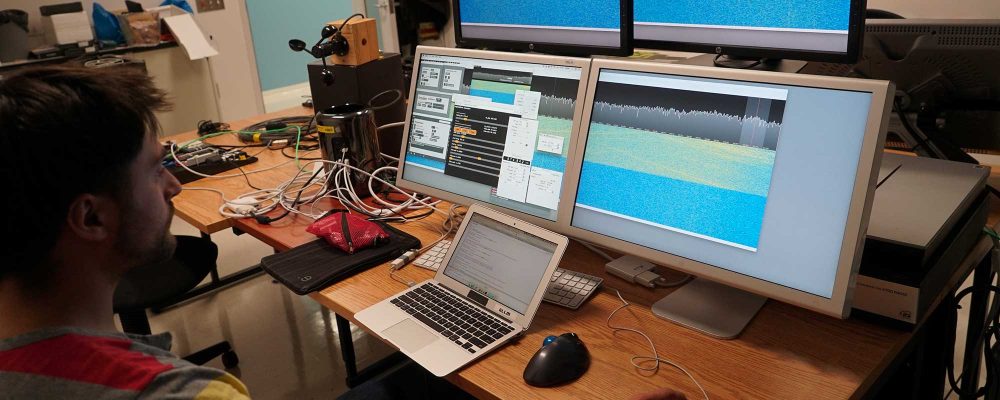
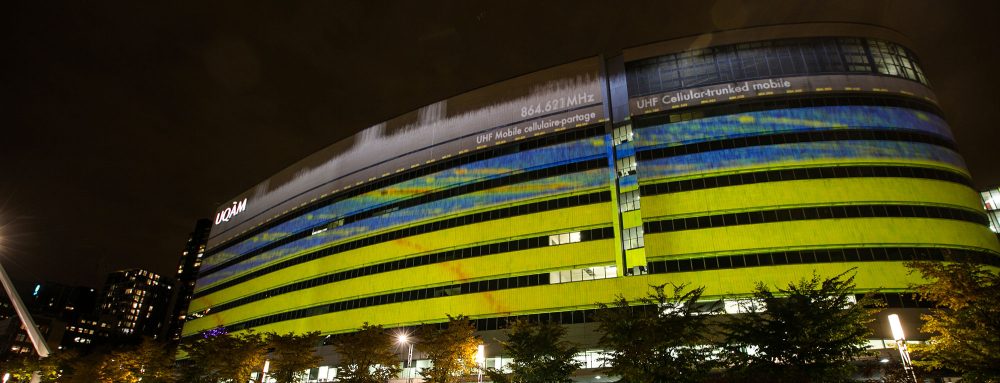
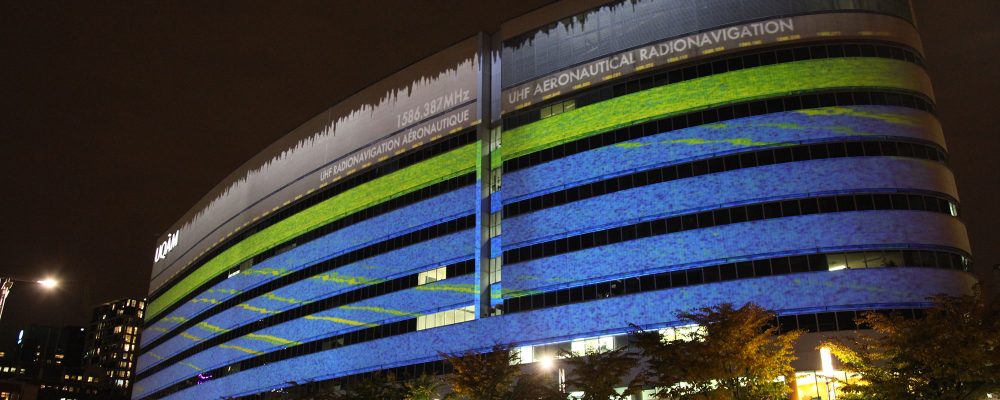
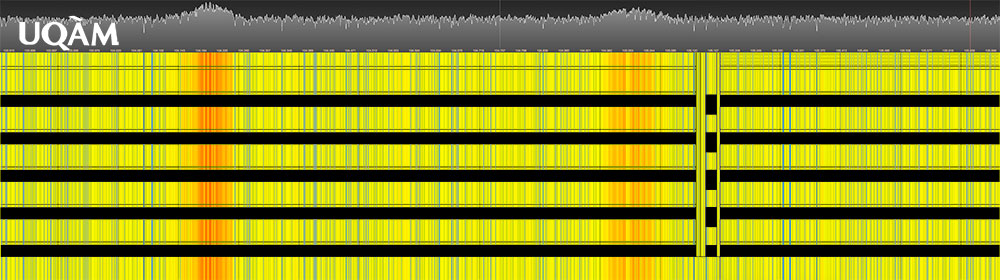
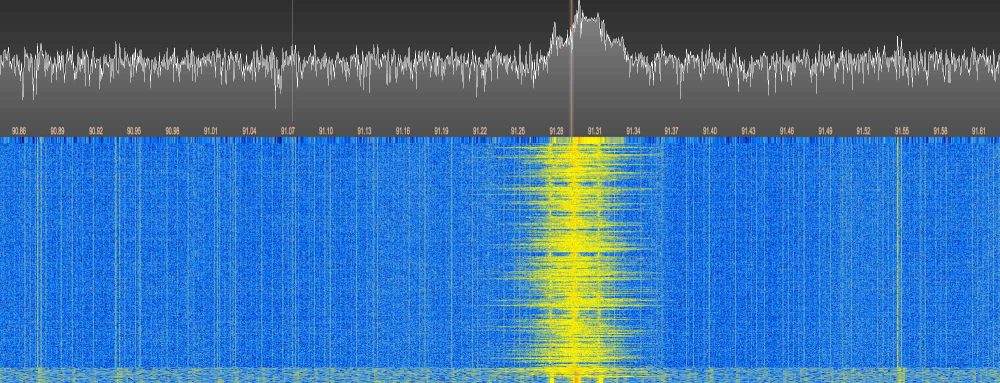
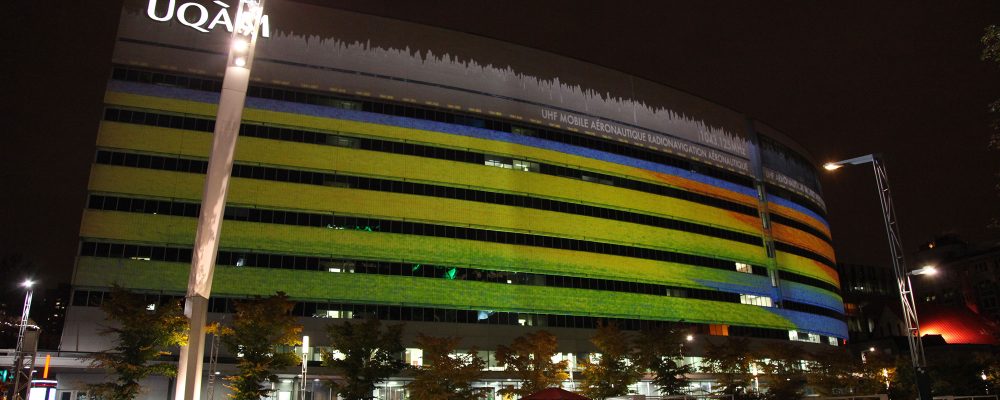
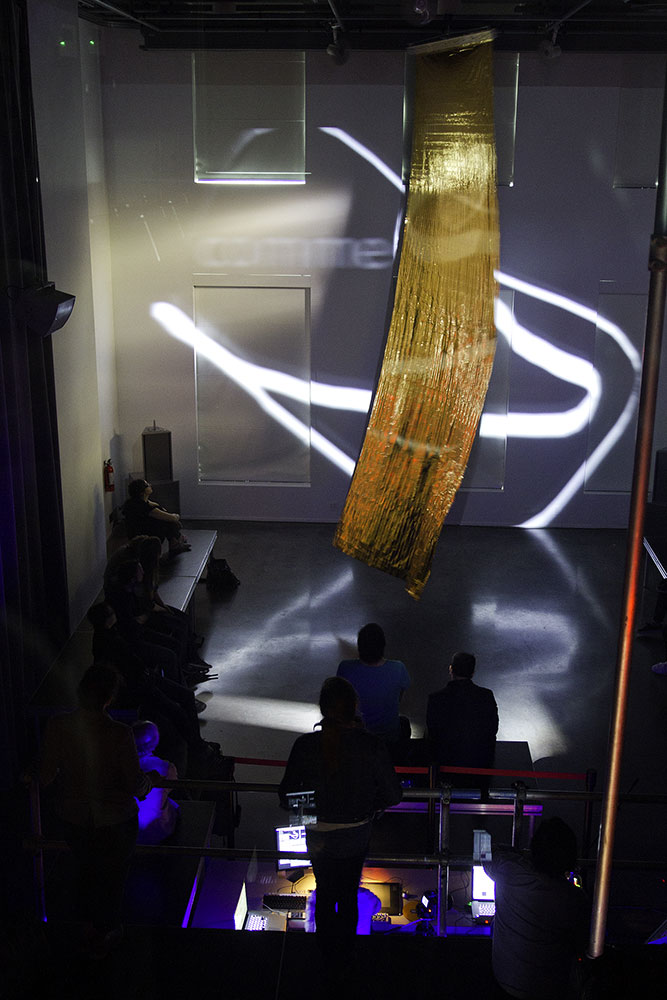
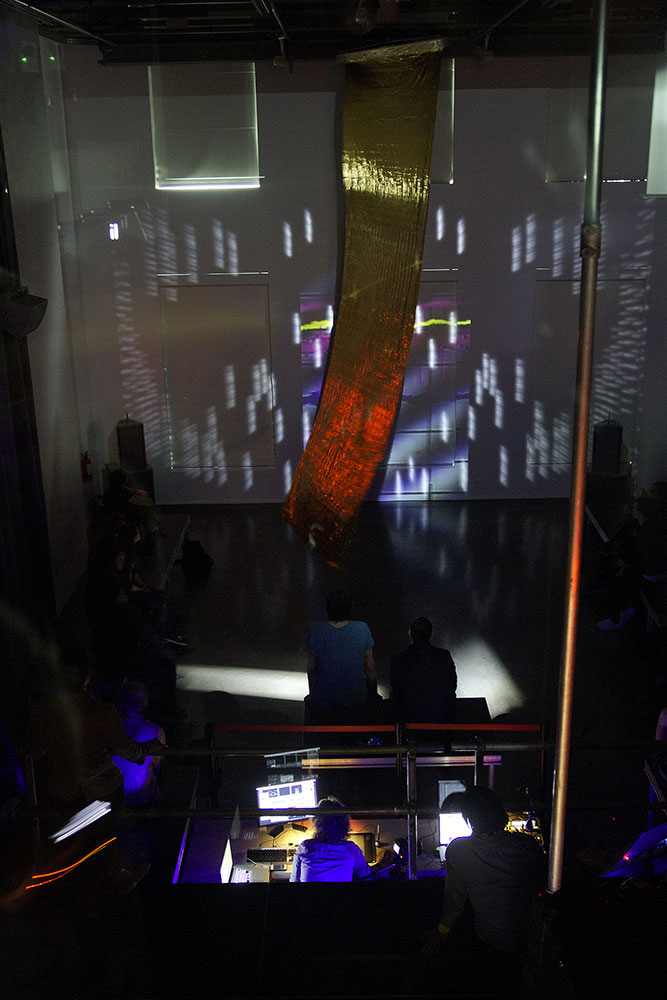
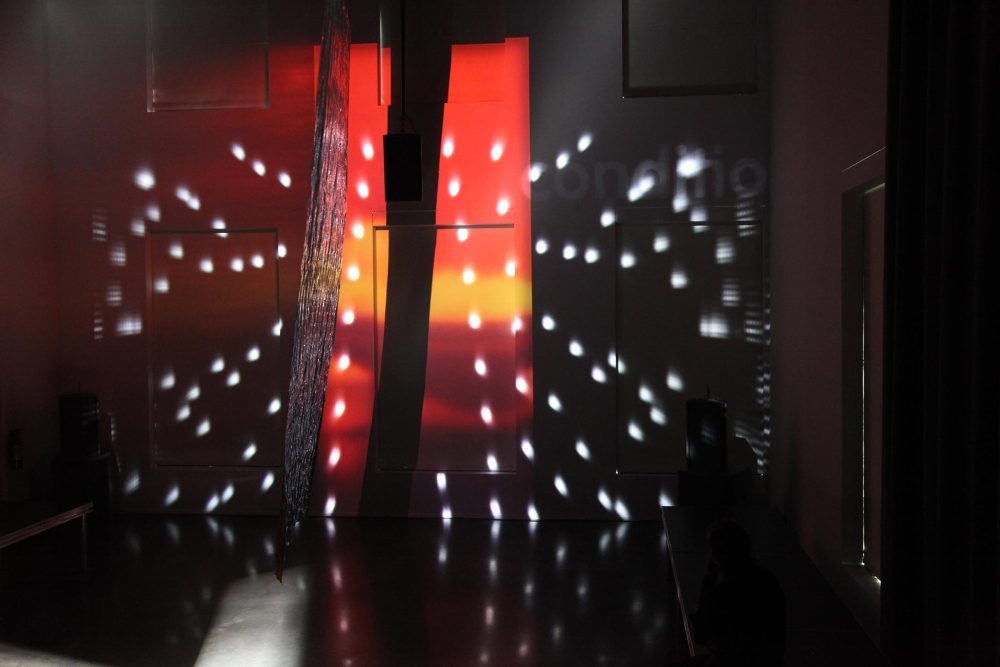
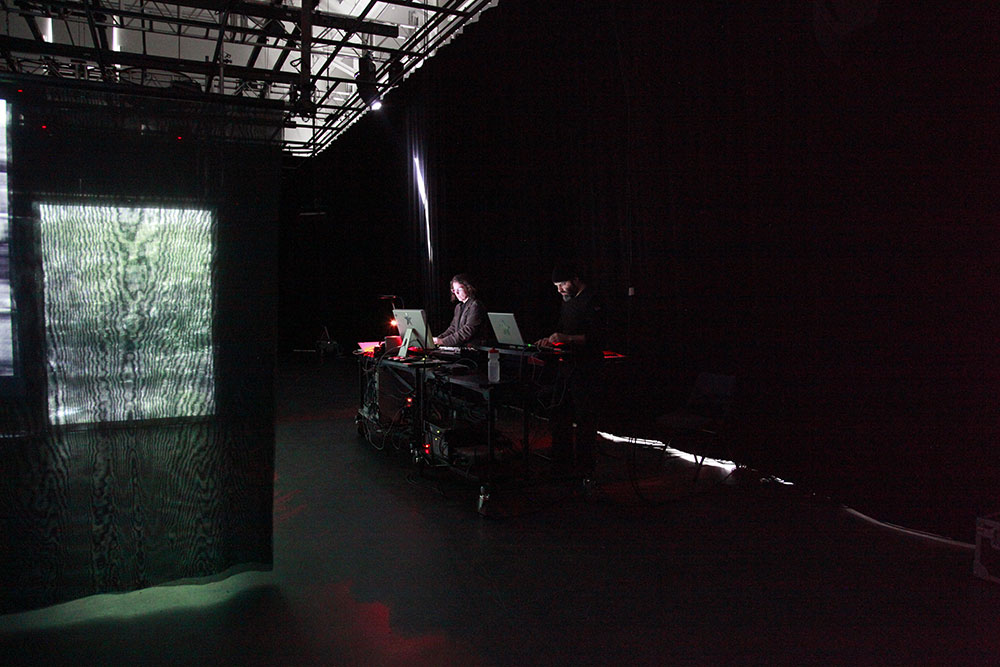
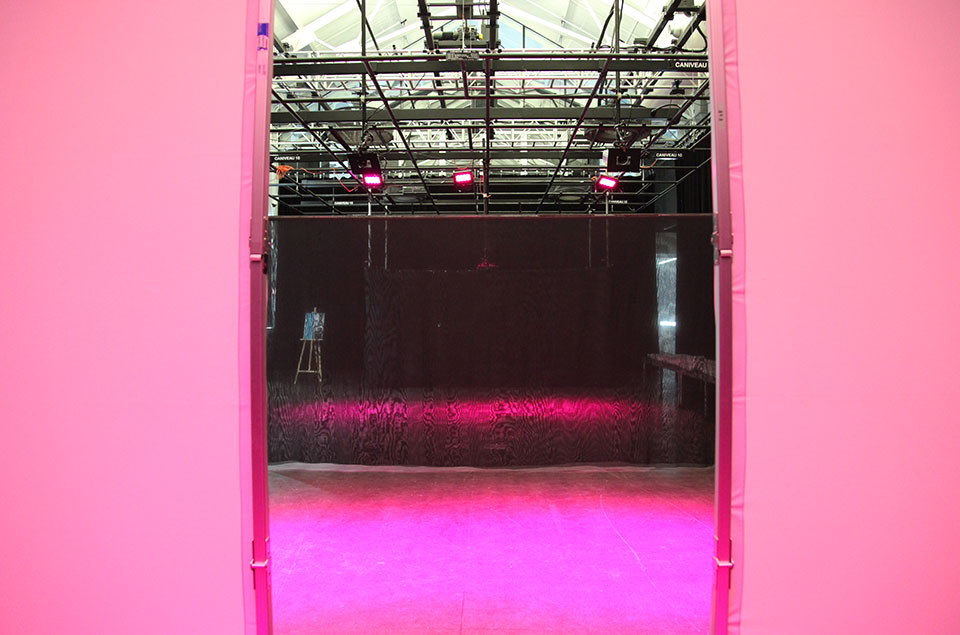
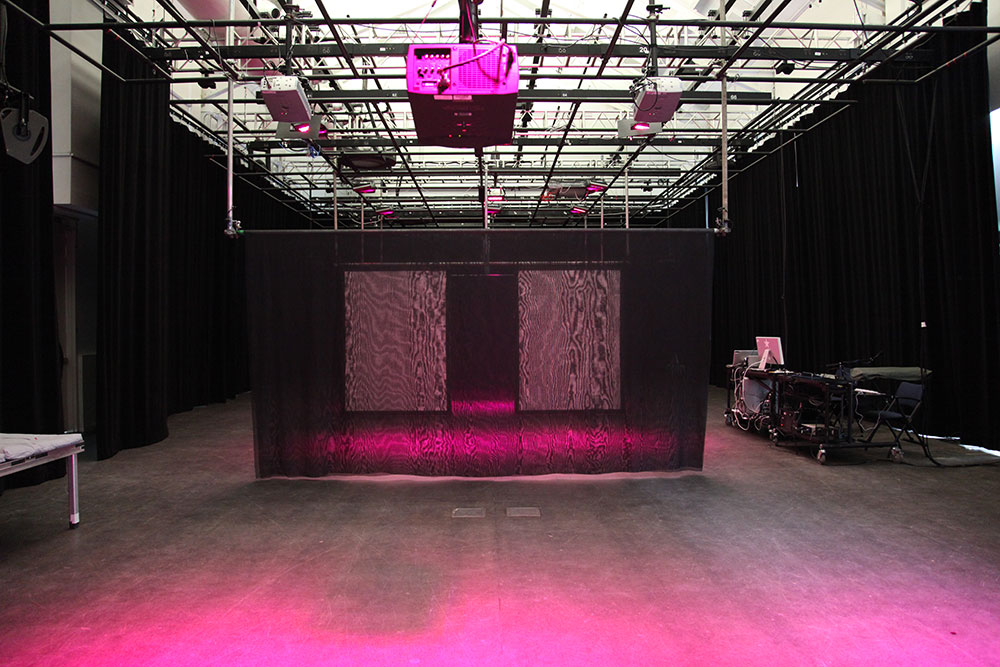
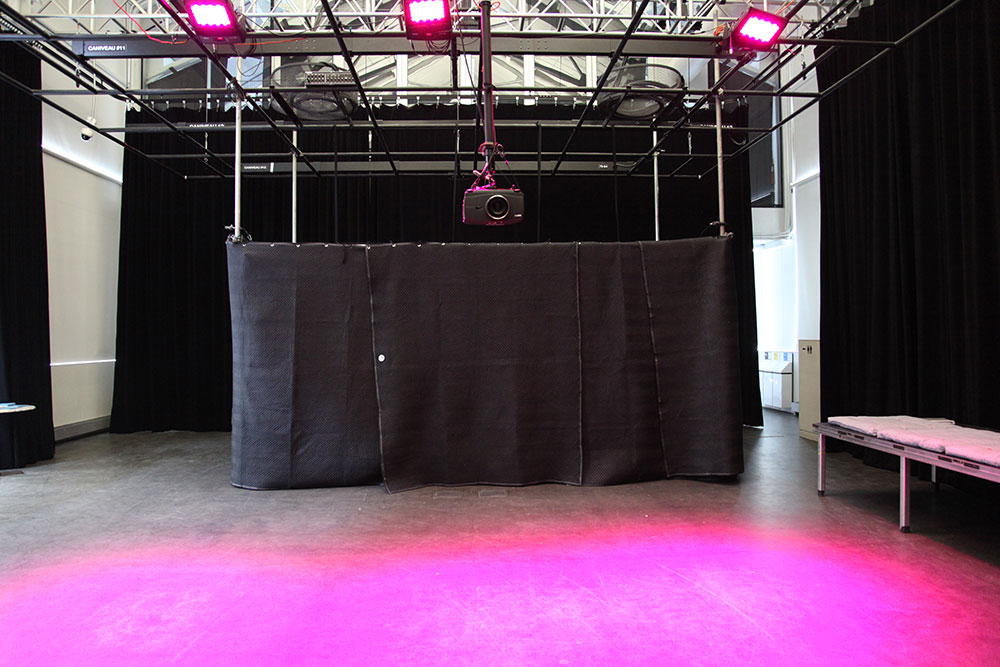
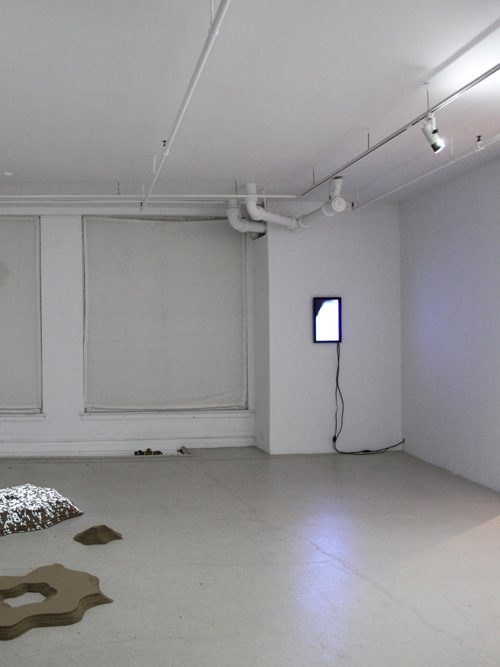
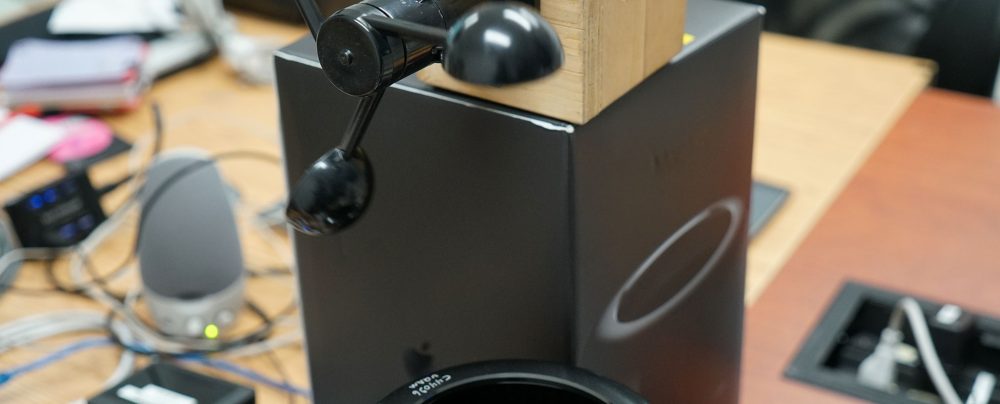
    IRRADIER.IRRADIATE est une projection architecturale de la place des Festivals, au Quartier des spectacles, générée à partir de données environnementales et des fréquences électromagnétiques. Grâce à un logiciel libre (Gqrx SDR), une antenne et un anémomètre, la façade du pavillon Président-Kennedy de l’UQAM se transforme en un immense récepteur radio où est projetée une ligne vibratile modulée en direct par la force du vent. Oeuvre minimaliste aux champs de couleurs primaires, ce projet est une mise en forme critique et poétique de la densification des signaux en milieu urbain numérique, où se côtoient communication, pollution et mouvements de l’air.

    Ce projet prolonge la tétralogie d’oeuvres d’envergure produite entre 2008 et 2014 par la cellule de recherche artistique Ælab. Il propose une exploration nouvelle de la relation enchâssée entre nature, humains et technologies.

    Gisèle Trudel est artiste en arts médiatiques et professeure à l’École des arts visuels et médiatiques de l’UQAM. Elle a été directrice d’Hexagram-UQAM et codirectrice du réseau Hexagram. Elle a fondé la cellule de recherche artistique Ælab avec Stéphane Claude en 1996, et cofondé, en 2008, le Laboratoire de recherche-création sur le dessin et l’image en mouvement Grupmuv. Son travail est régulièrement présenté à Montréal et à l’international.

    Guillaume Arseneault est artiste numérique transmédiatique. Il complète une maîtrise en communication, concentration recherche-création en média expérimental, à l’UQAM. Il s’intéresse à la réinjection cinétique du corps en interactivité et hybride la technologie pour susciter réactions interpersonnelles et dialogues. Son travail a notamment été diffusé lors de l’édition 2015 du festival Chromatic.

    Merci
    Nathalie Benoit, Maxim Bonin, Angélique Bouffard, Tommy Lahitte, Ugo Dufour.

    Projet présenté dans le cadre du colloque Media Art Histories Re-Create 2015.

    Façade du pavillon Président-Kennedy de l’UQAM

    201 avenue du Président-Kennedy (entre Jeanne-Mance et St-Urbain)
    du jeudi 22 octobre au dimanche 8 novembre inclusivement
    les jeudis et dimanches  18 h 30 – 23 h
    
les vendredis et samedis  18 h 30 – 02 h
    Dès le 5 novembre, la projection débutera à 17 h 30

    Projet présenté en partenariat avec l’UQAM, le Partenariat du Quartier des spectacles, Hexagram-UQAM et le Grupmuv.
    Avec l’appui financier du Fonds de Recherche du Québec – Société et Culture (FRQSC).

    PRESSE
    22 octobre 2015
    Irradier. Une nouvelle vidéoprojection architecturale s’intéresse aux ondes électromagnétiques. Article par Valérie Martin.

    Images
  • LSCDC Iight sweet cold dark crude (2006-2014)

    LSCDC
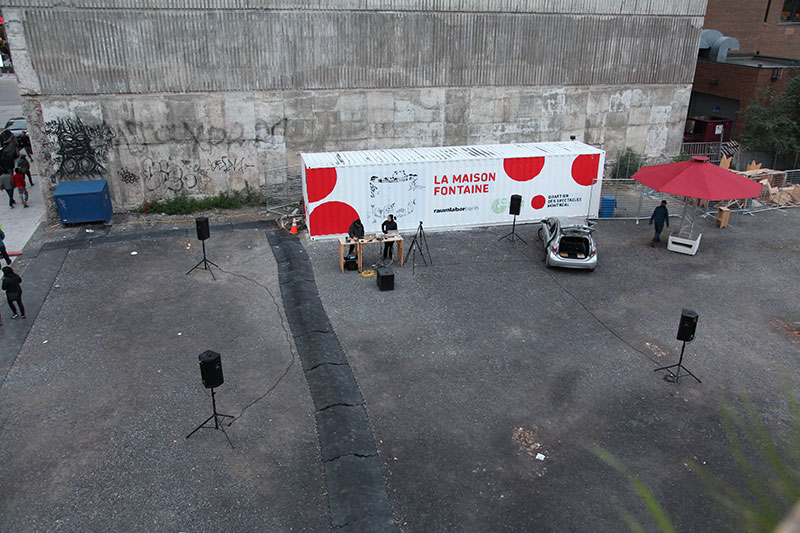
    À la maison Fontaine (raumlabor architectes)
    Esplanade Clark, Montréal, 2014.
    Cover photo : Catherine Béliveau

    LSCDC (light, sweet, cold, dark, crude)
    Cycle of microevents, performative installation
    (2006-2014)

    Process-oriented and informal in nature, the research and production of this work with immersive sound, moving image, drawing and light is informed by the realities of “gray waters” in various states of composition, decomposition and recomposition. The source material originates in the « Eco Machines » system, pioneered by biologist and ecologist Dr. John Todd situated situated at the rest area of Sharon, Vermont and the Station d’épuration des eaux usées, an industrial system for the city of Montreal. The project is extended with images and sounds from the deserts of southwestern USA.

    The project  finds its inspiration in the concept of the transduction as defined by French philosopher Gilbert Simondon (1928-1989), by which nature, information and technology co-evolve. The series was initially performed in an intimate setting, disrupting the greek root of the word ecology, eikos, which means « house ».

    Credits
    Text excerpts _Gilbert Simondon
    Production
    Catherine Béliveau _additional camera, EcoMachines, Sharon, Vermont and production assistance, Fountain House production assistance and documentation
    Sophie Bellissent _initial production and research assistance
    Roberto Di Giacomantonio _zafuton design and production
    Nate Fredericks _bench flow data, Sharon, Vermont
    Marc Lavallée _PureData DMX Varichrome LED programming
    Florian Grond _MAX-MSP algorithmic ambisonic panner programming
    Pier Lefebvre _projection apparatus
    Jacques Perron _additional camera and documentation, Station d’épuration des eaux usées, Montréal
    Jean-Marc Ratté, Sophie Voyer _Station d’épuration des eaux usées, Montréal
    Shot on location at 
EcoMachines, Sharon, Vermont; Joshua Tree National Park, California; Station d’épuration des eaux usées, Montréal; 
Grand Canyon and Glen Canyon, Arizona.

    Presentation
 at Flevoland, Thinking with Water conference
    JacquesPerron _documentation
    Simon Rolland _production assistance
    Sophie Bellissent, Nadia Seboussi _assistance

    Equipment and software support from Hexagram-UQAM and Sennheiser Canada.

    Presentations (in reverse chronological order)
    Fountain House
 Esplanade Clark, Montréal, Oct 9-10-11, 2014
    in collaboration with raumlabor (Berlin) and Goethe-Institut Montreal, Biennale de Montréal
    EcoSapiens Residency, Fernery Room, Pukekura Park, Botanical Garden, New Plymouth, New Zealand
 Jan 2011
    Thinking With Water Conference, Concordia University, Montreal, June 21 2010
    Festival Temps d’Images
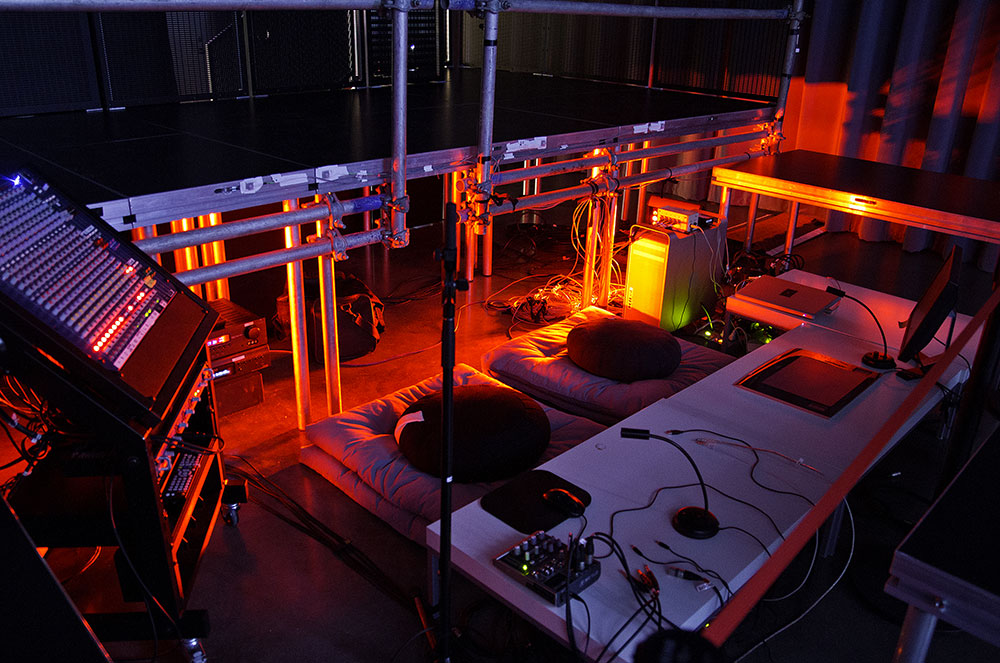
Usine C, Montréal, 19-20-21 février 2009
    Deep North, transmediale
Haus der Kulturen der Welt, 
Berlin, Germany Jan 2009
    Flevoland
 Montréal
 June 9, June 28, Aug 8 2008

    Produced with the financial assistance of the Canada Council for the Arts, Media Arts 
and PAFARC-UQAM (Programme d’aide financière à la recherche et à la création de l’Université du Québec à Montréal).

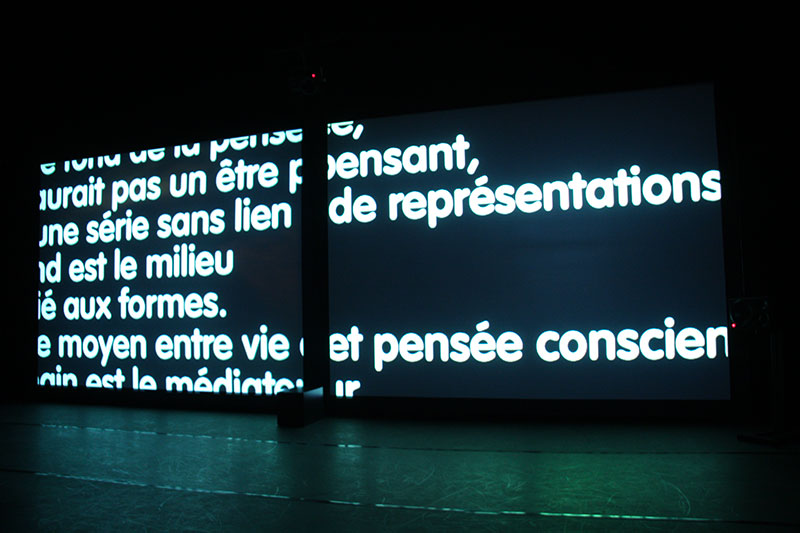
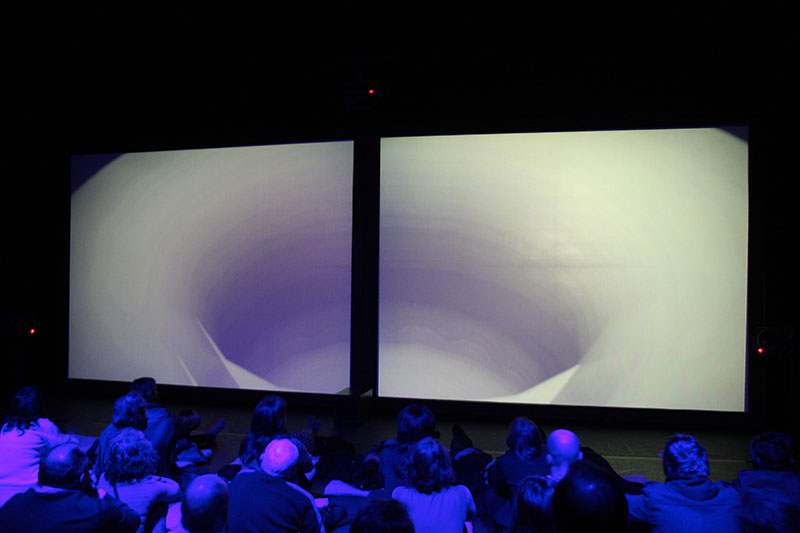
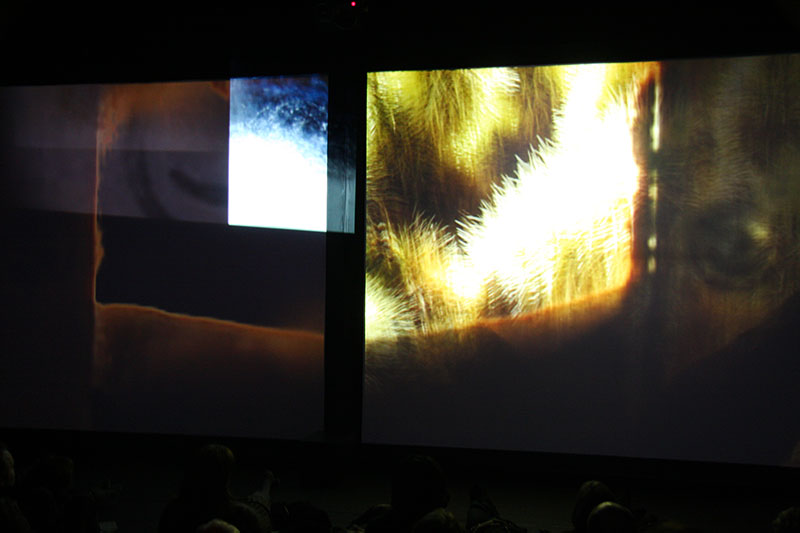
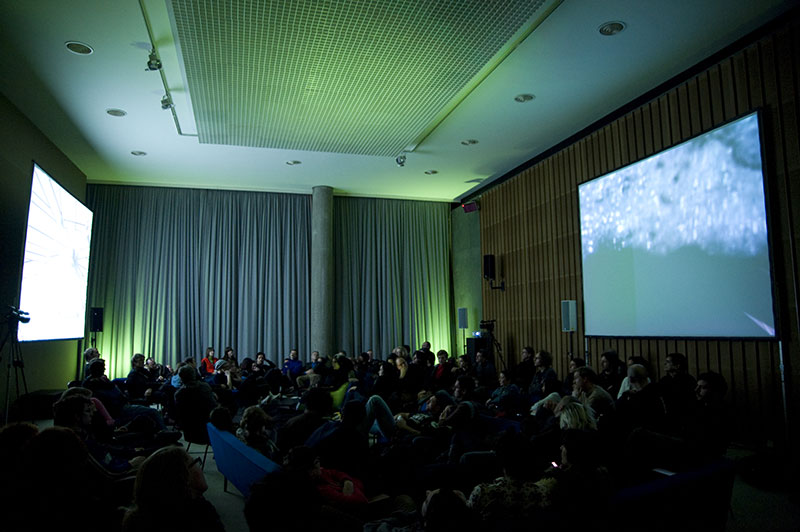
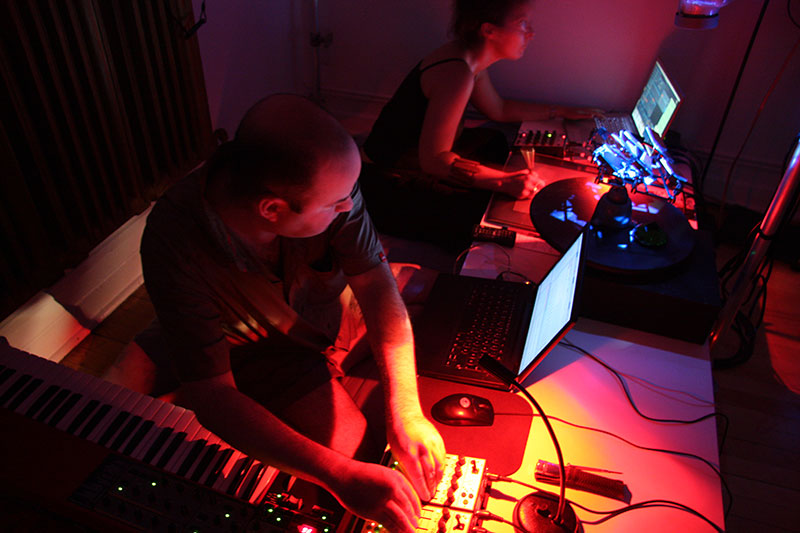
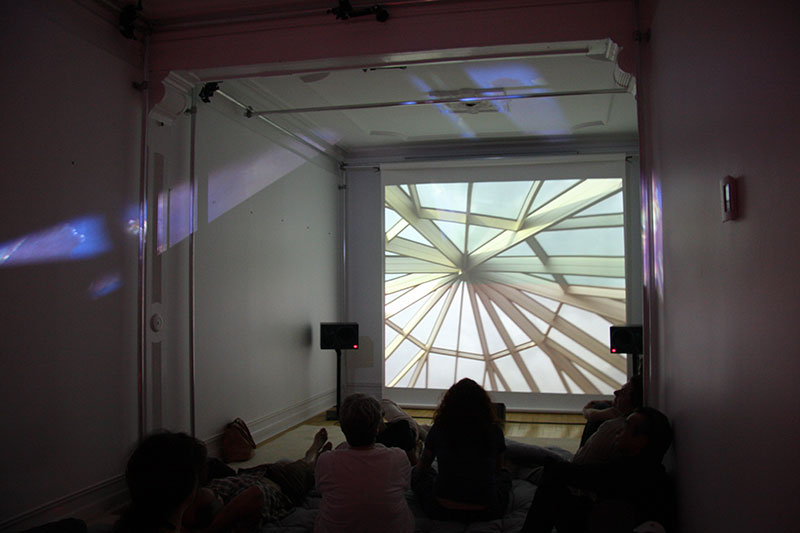
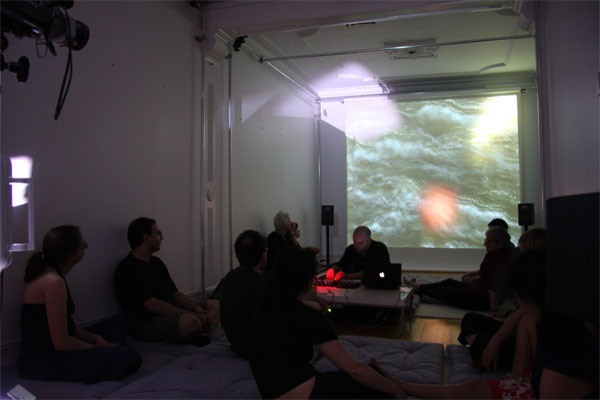
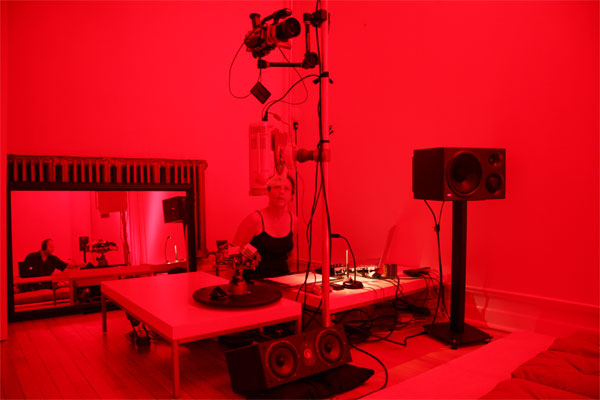
    LSCDC à la maison Fontaine, octobre 2014, Montréal. Coproduction Goethe-Institut. Photo : Catherine Béliveau.

    LSCDC à la maison Fontaine, octobre 2014, Montréal. Coproduction Goethe-Institut. Photo : Catherine Béliveau.

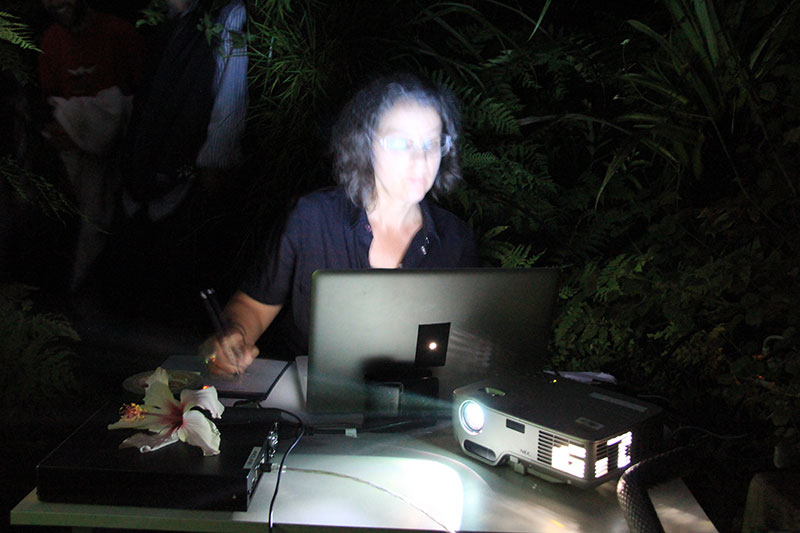
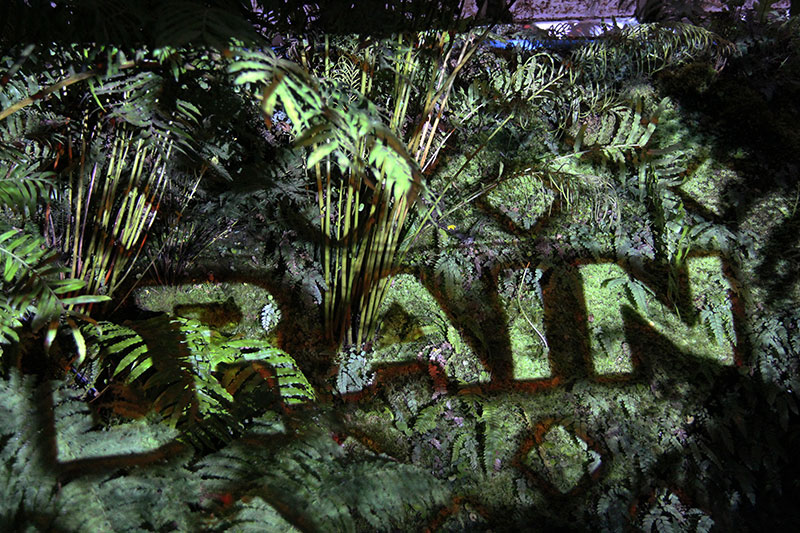
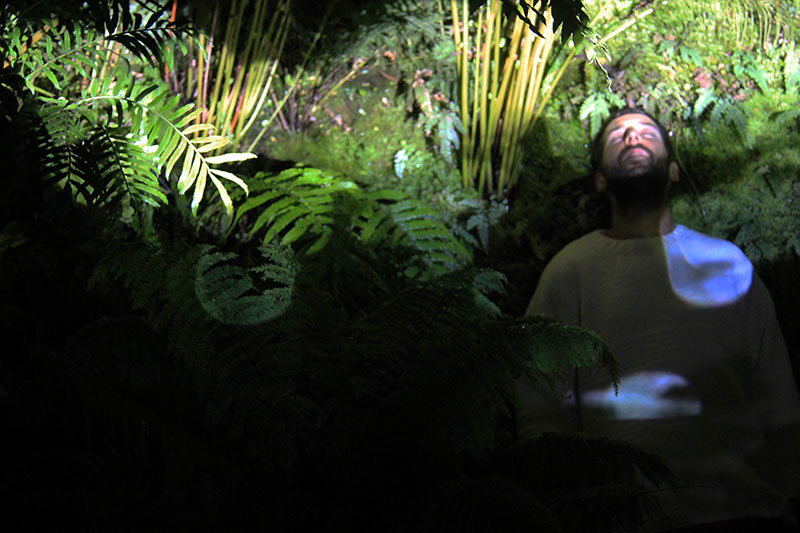
    LSCDC au Pukekura Botanical Garden, New Plymouth, New Zealand, jan 2011. Photo : Keith Armstrong.

    LSCDC au Pukekura Botanical Garden, New Plymouth, New Zealand, jan 2011. Photo : Keith Armstrong.

    LSCDC au Pukekura Botanical Garden, New Plymouth, New Zealand, jan 2011. Photo : Keith Armstrong.

    LSCDC au Festival Temps d’Images, Usine C, Montréal, février 2009. Photo : Jacques Perron.

    LSCDC au Festival Temps d’Images, Usine C, Montréal, février 2009. Photo : Jacques Perron.

    LSCDC au Festival Temps d’Images, Usine C, Montréal, février 2009. Photo : Jacques Perron.

    LSCDC à Deep North, Transmediale, Haus der Kulturen der Welt, Berlin, Allemagne, 2009. Photo : Jonathan Gröeger.

    LSCDC à Flevoland, Montréal, 2008. Photo : Jacques Perron.

    LSCDC à Flevoland, Montréal, 2008. Photo : Jacques Perron.

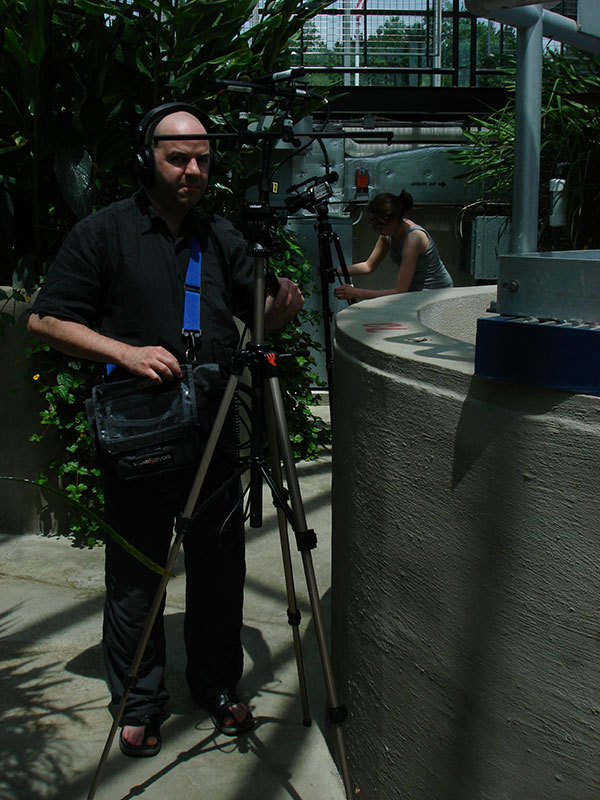
    Stéphane Claude et Catherine Béliveau au Eco-Machines, Sharon North Welcome Centre, Vermont, 2007.

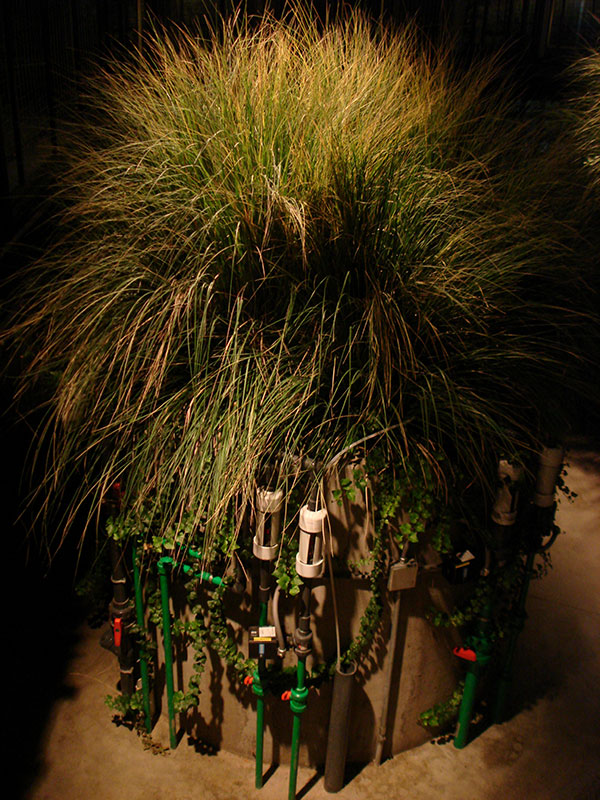
    Eco-Machines, Sharon North Welcome Centre, Vermont, 2007.

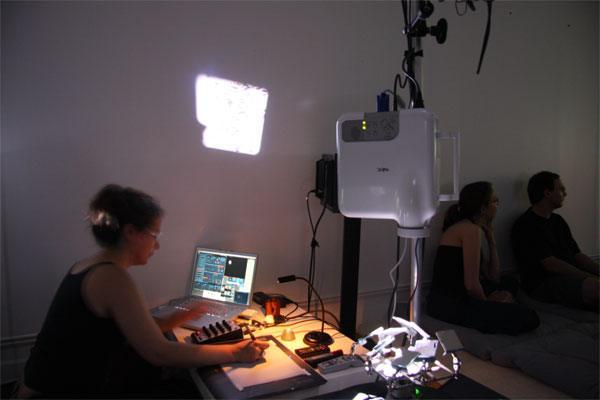
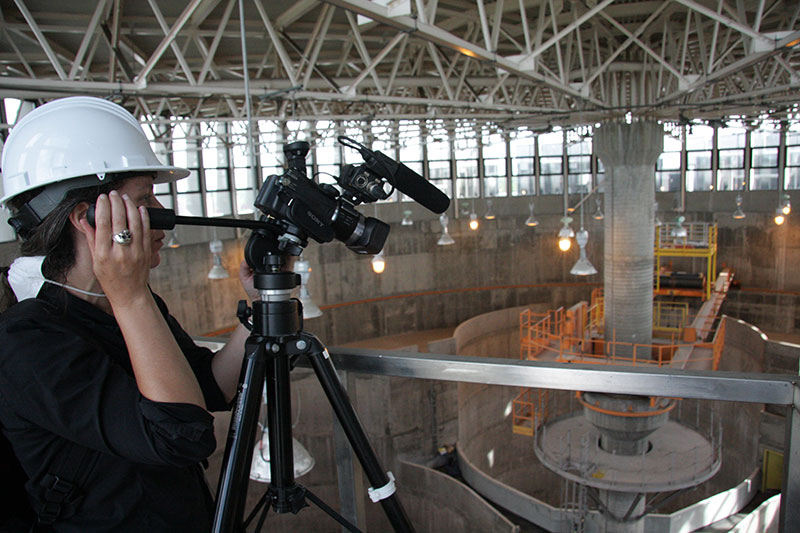
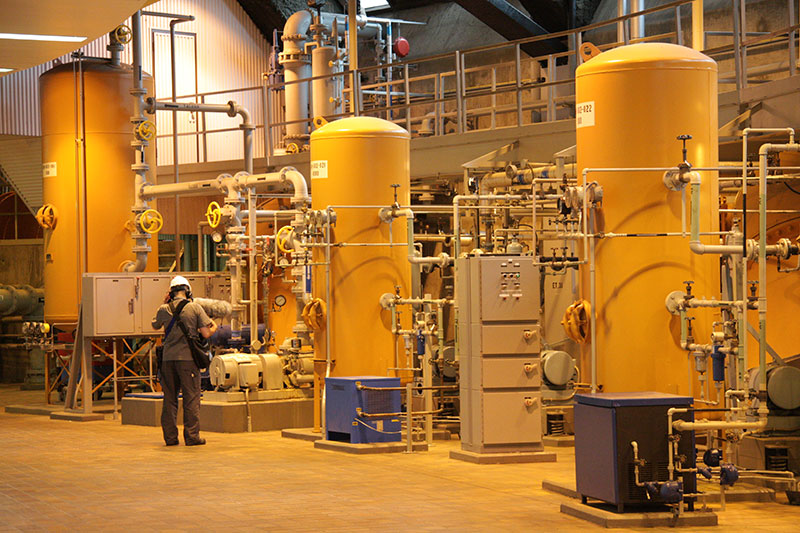
    À la Station d’épuration des eaux usées, Montréal, 2008. Photo : Jacques Perron.

    À la Station d’épuration des eaux usées, Montréal, 2008. Photo : Jacques Perron.

  • milieux associés (2014)

    Permutational performative installation & night projection

    May 5-22, 2014
    cover photo : Lorna Bauer

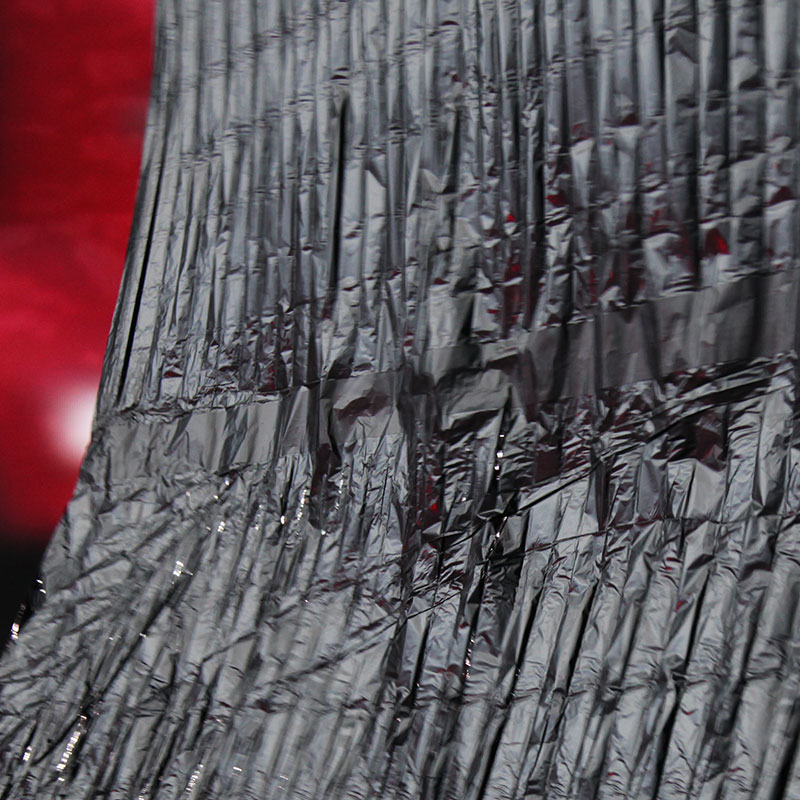
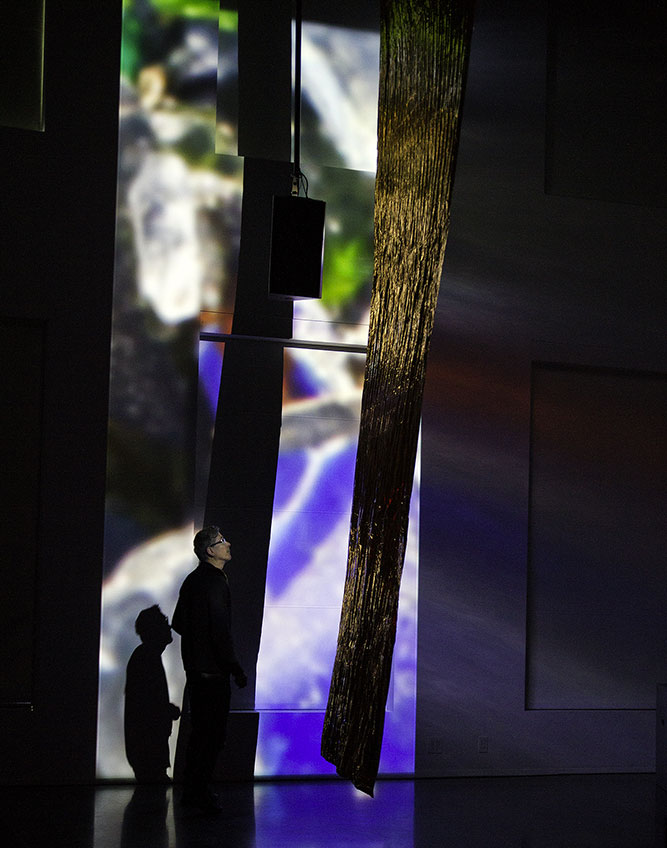
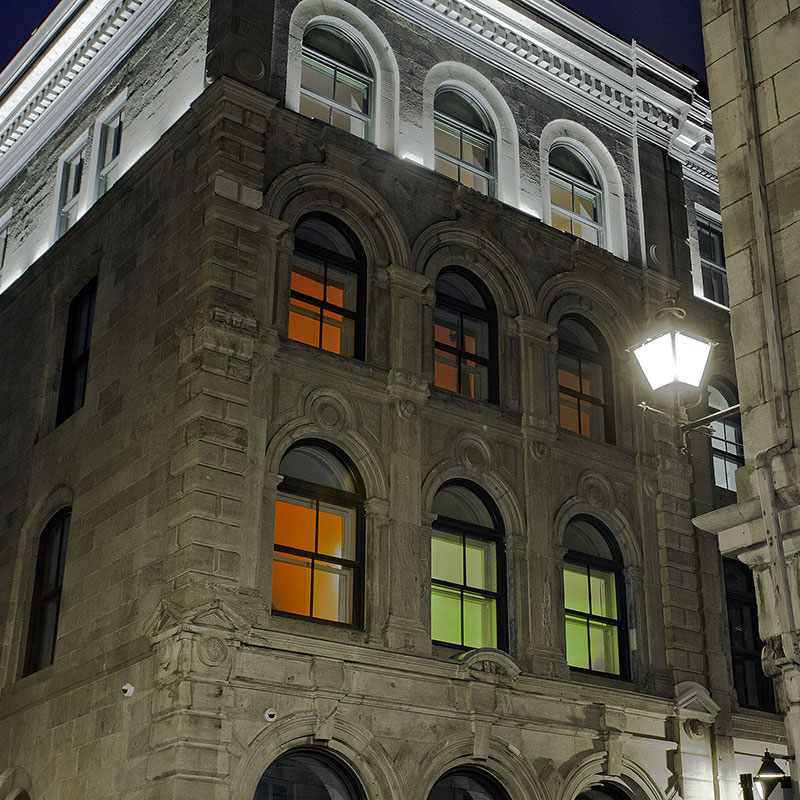
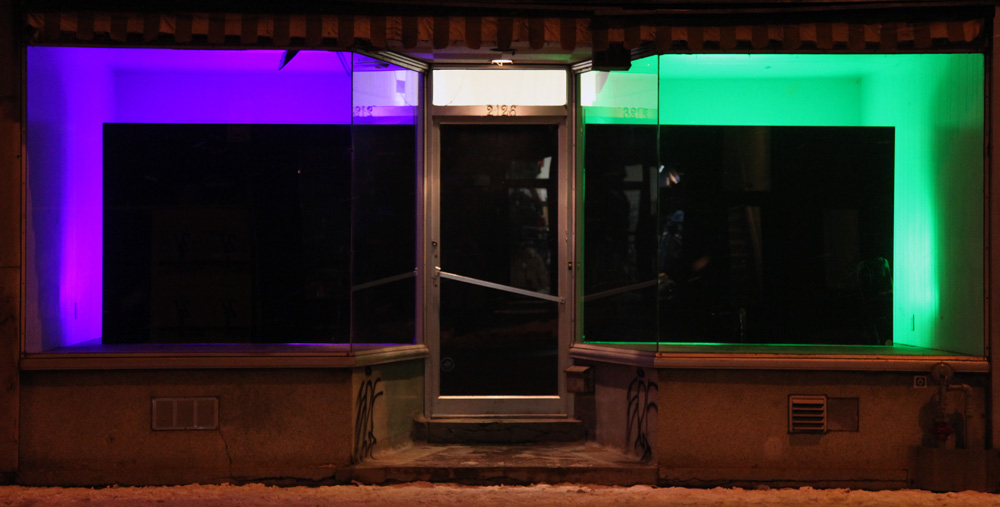
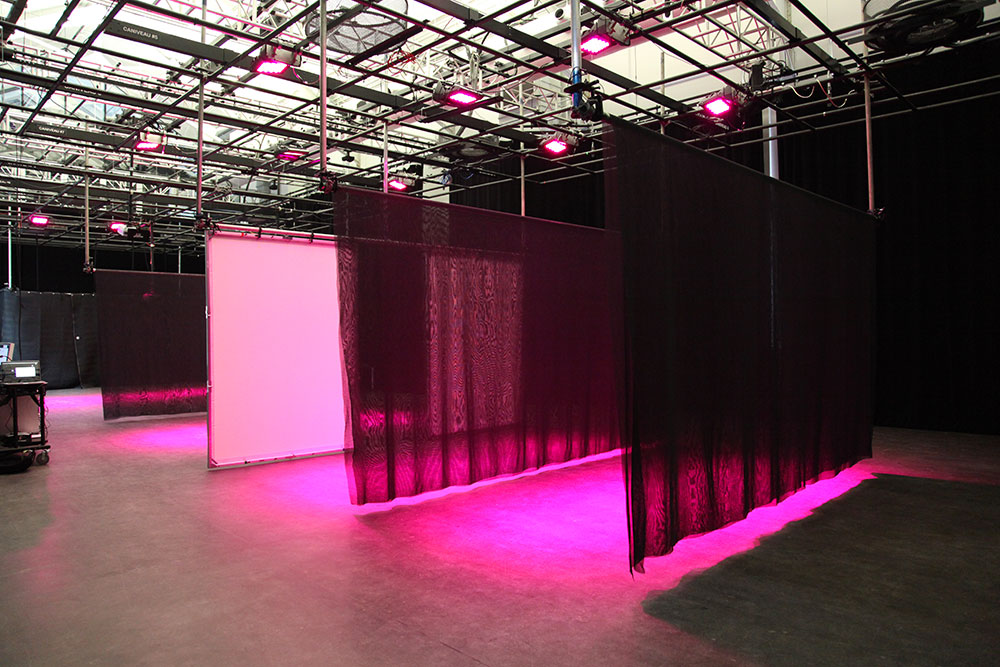
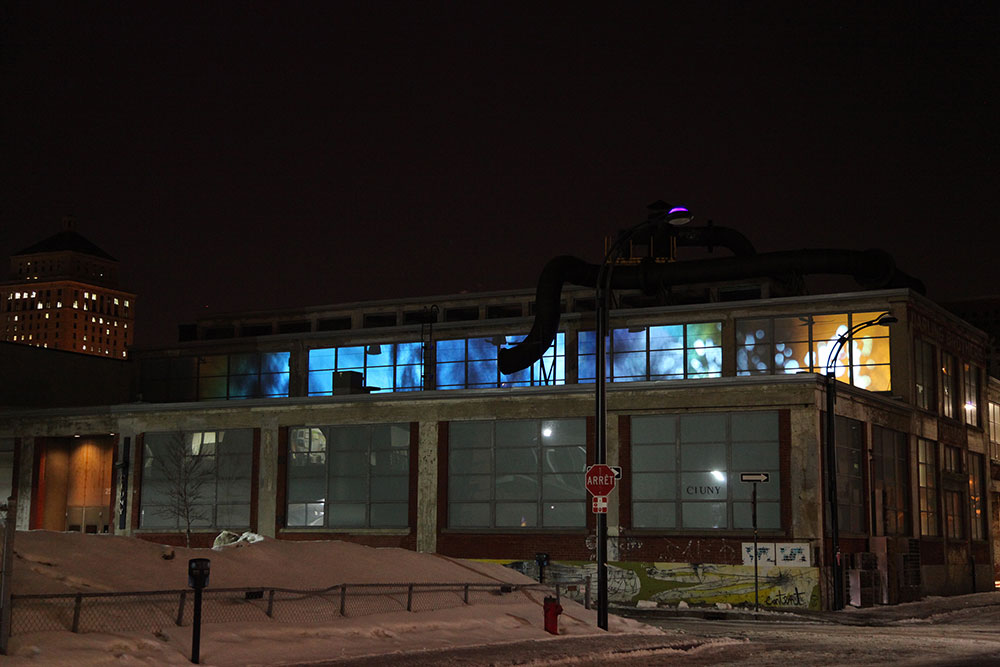
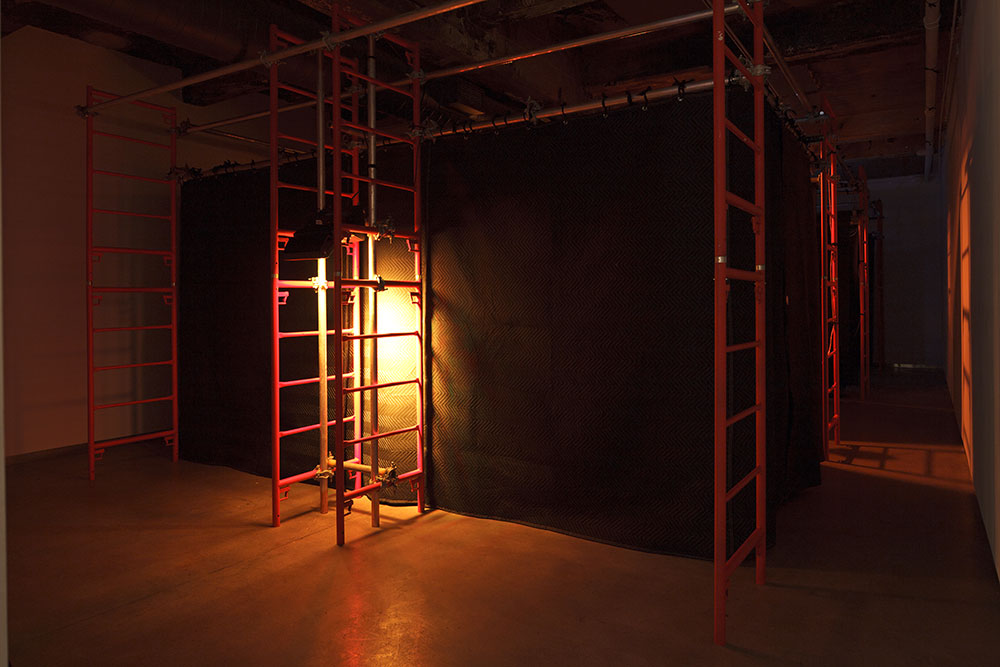
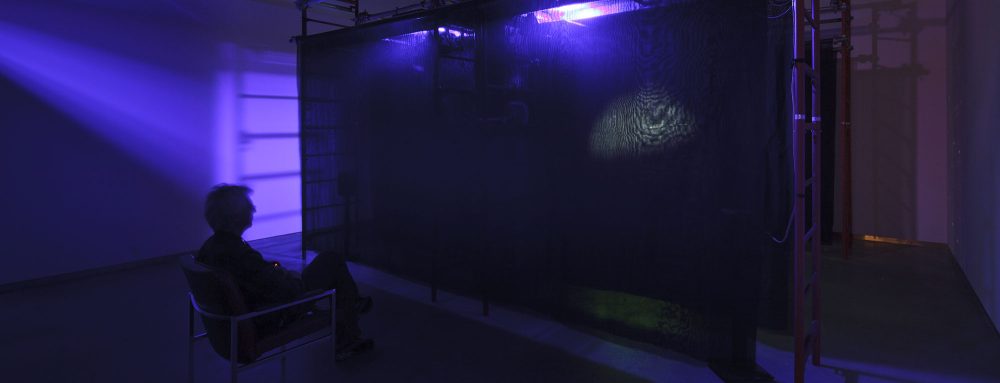
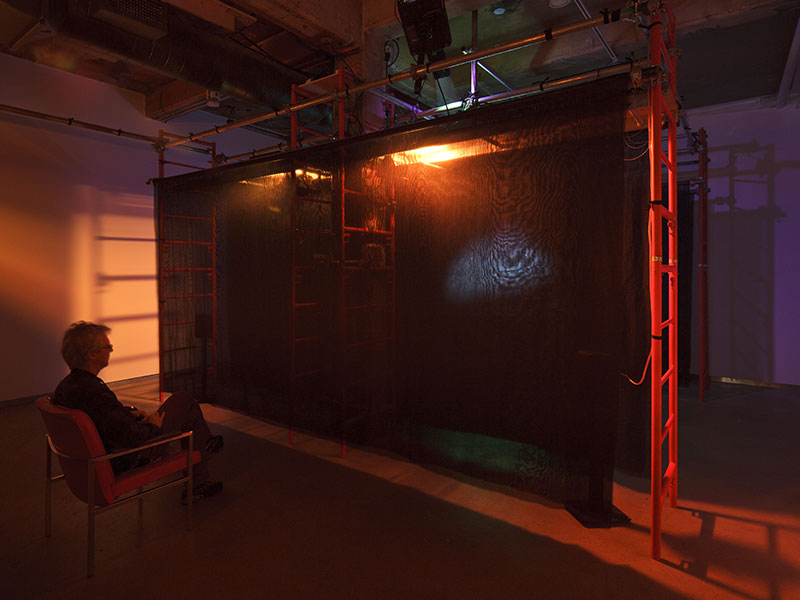
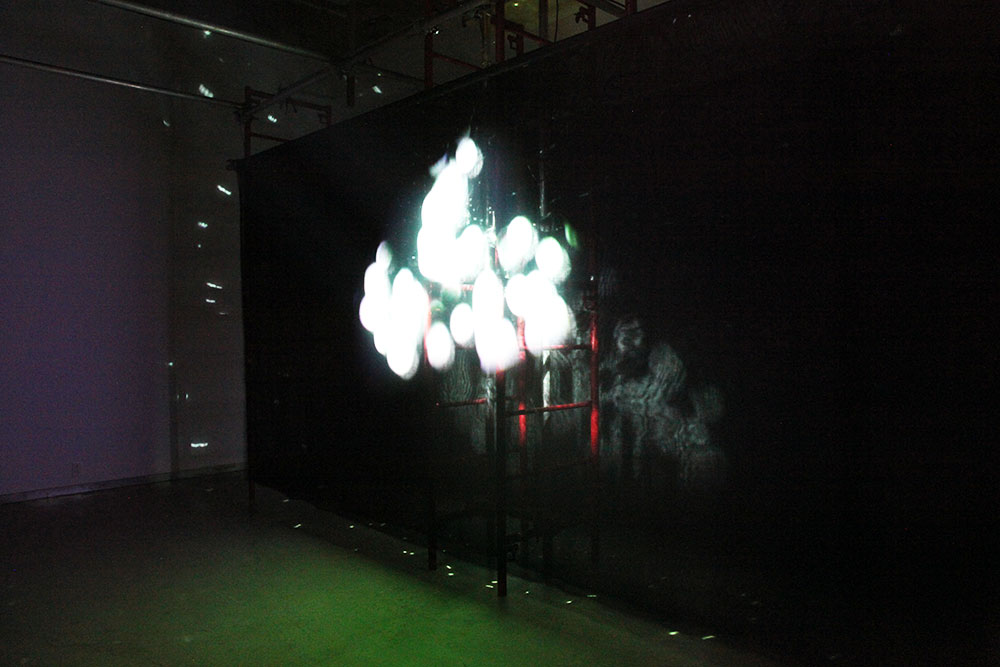
    Milieux associés is a permutational and performative installation linking art, technology and residual matter. The installation and performances engage the public through a variety of physical environments distributed in zones. Consisting of video, a swirling membrane, proximity and movement sensors, digital drawing, tactile and immersive sound, it also spills out onto the street at night as an evening projection on the windows of the Phi Centre seen from Saint Paul Street. The work explores the relationship of humans to hidden and neglected materialities that still hold capacity for transformation.

    Curated by Cheryl Sim
    Presented at the Phi Centre
    The installation will be on view Monday to Saturday,
 noon – 6 PM
    Projections will be viewable from the street Monday to Saturday, 9 PM – midnight
    Performances will take place Thursday to Saturday between 3-4 PM
    Exhibition opening, May 3, 3 PM
    Free admission
    This is a co-presentation of DHC/ART, Ælab, Grupmuv, Phi Centre and BIAN, as part of the International Digital Arts Biennial.
    Funding: Fonds québécois de recherche sur la société et la culture (FRQSC)

    Credits
    Sensors and programming: Jim Bell / Technical Director: Jason Pomrenski / Production assistants: Johannie Séguin, Simon Rolland, Matthieu Gagnon Lamarre, Natalie Lafortune / Technical support: Hexagram-UQAM, Laboratoire nouveaux médias OBORO / Financial support: Fonds de recherche québécois sur la société et la culture (FRQSC)

    Thank you
    Cheryl Sim, Phoebe Greenberg, Phi Center, Brian Massumi, Jimmy Lakatos, Laurent Lamarche, Yan Breuleux, Grupmuv, BFI-Lachenaie, Martin Pelletier, Andrea-Jane Cornell, Anne-Françoise Jacques, Daniel Courville, Philippe-Aubert Gauthier.

    
http://bianmontreal.ca/en/artists/aelab
    
http://dhc-art.org/aelab-milieux-associes/

    Photos : Léa Trudel et Lorna Bauer

    Sub-matter
    May 10 2014
    Curated and presented by Florian Wüst (Berlin)

    A special event presented as part of Ælab’s exhibition Milieux Associés.

    Through a selection of experimental, documentary and industrial short films, film excerpts, audio pieces, and fragments of text, Florian Wüst will reflect on processes of transformation in relation to residue and waste, energy and subsistence.

    Photo : Gisèle Trudel

  • dark room (2011)

    Photos : Toni Hafkenscheid

    Dark Room
    Tactile sound installation
    2011

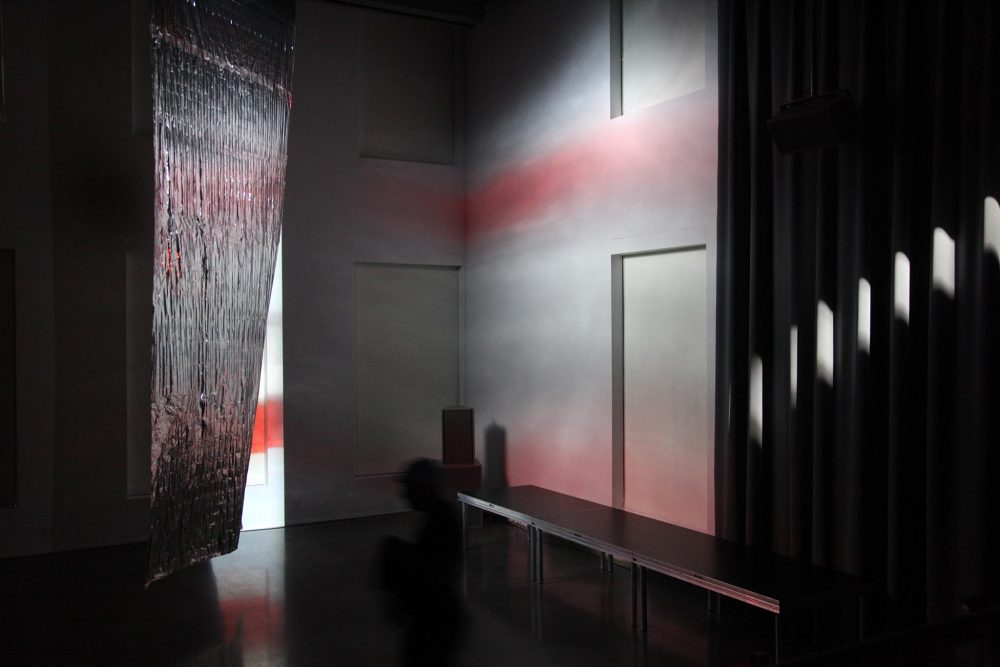
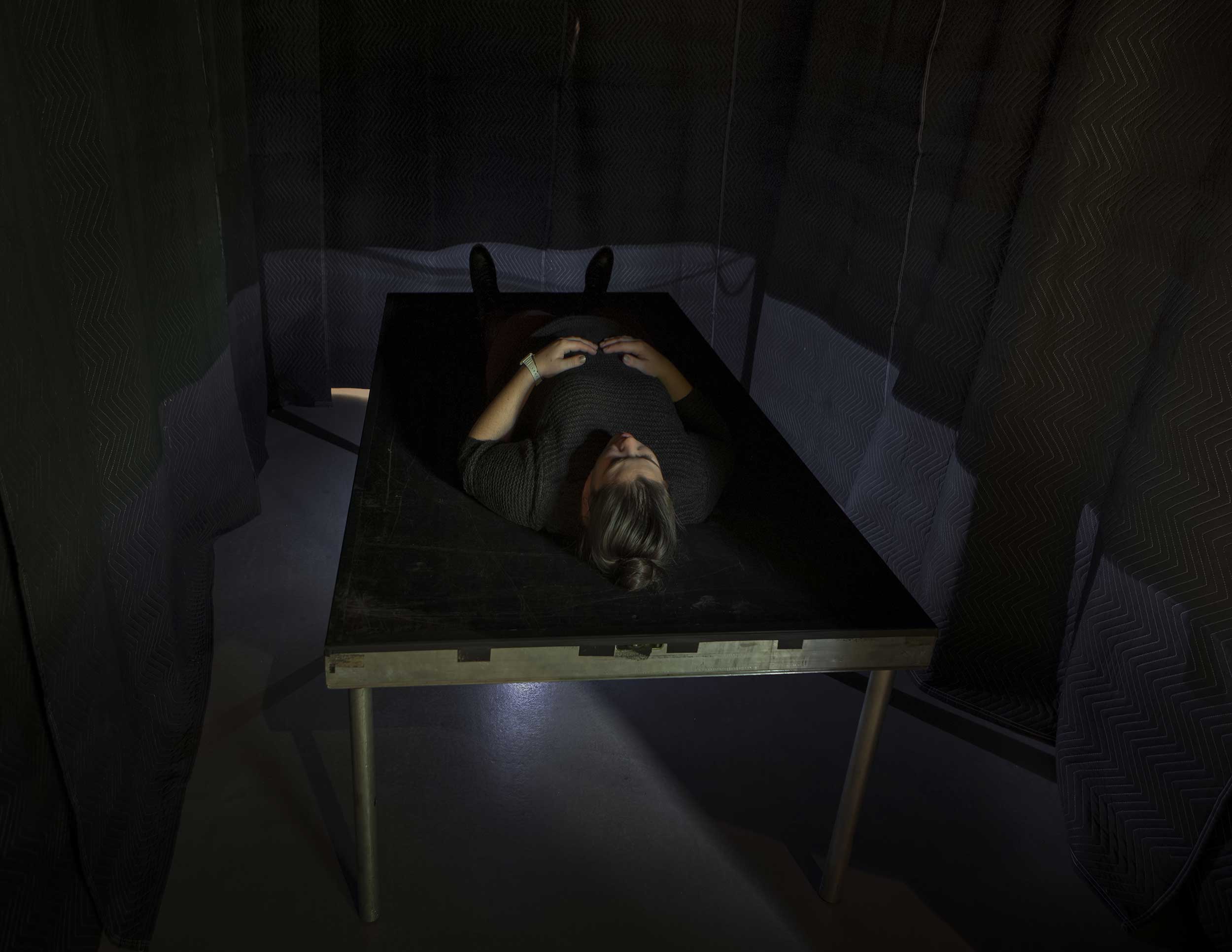
    A dark room designed for blackness, tactile sound, the bones, muscles and nerve network in the body. It’s a way to get in contact with inner & outer space, death and the sensuous. The room is an installation where people interact with spatial cues and intimacy while lying down on an elevated platform. This work is concerned with direct and swift transduction of the sound program to different sensorial zones of the body, mechanical transmission without airborne audio transmission. A sound massage from the chthonic.

    Included in SPLICE group exhibition

    SPLICE: At the Intersection of Art and Medicine presents a scientific gaze at the human body by showcasing traditional anatomical art, complemented and challenged by contemporary artworks. A large-scale public showing of anatomical images by Maria Wishart, Eila Hopper-Ross, Nancy Joy, Dorothy Foster Chubb, Elizabeth Blackstock and Margaret Drummond, selected from the extensive collection of Biomedical Communications, University of Toronto Mississauga and the Division of Anatomy, Faculty of Medicine, is included in the show. These artists utilized their traditional knowledge of art and science to achieve a balance between realistic rendering and an artistic vision of the human body. Lately, contemporary artists have been initiating a fresh discourse by experimenting with a wide range of representations. Today the body is frequently politicized and digitized in order to manipulate, dissect and provoke. Through the work of these artists SPLICE: At the Intersection of Art and Medicine addresses how understanding the complexity of the human anatomy requires both a scientific approach and aesthetic interpretation.
    – Nina Czegledy, Curator

    Pratt Manhattan Gallery
    New York
    Sept 20-Nov 19
    2013

    Blackwood Galleries
    Toronto
    October 24 – December 1
    2012

  • Futur au présent (2012)

    photographie sur vinyle transparent
    2 x 4 pieds x 30 pieds
    2012

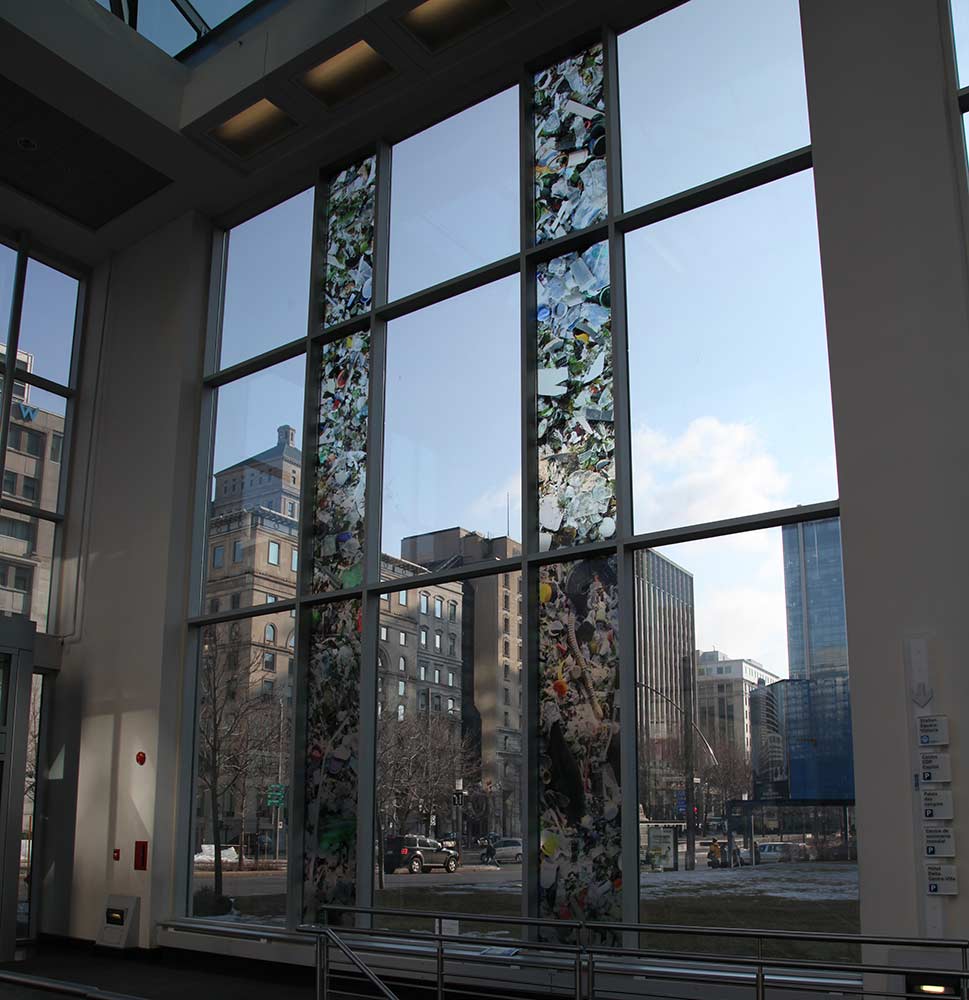
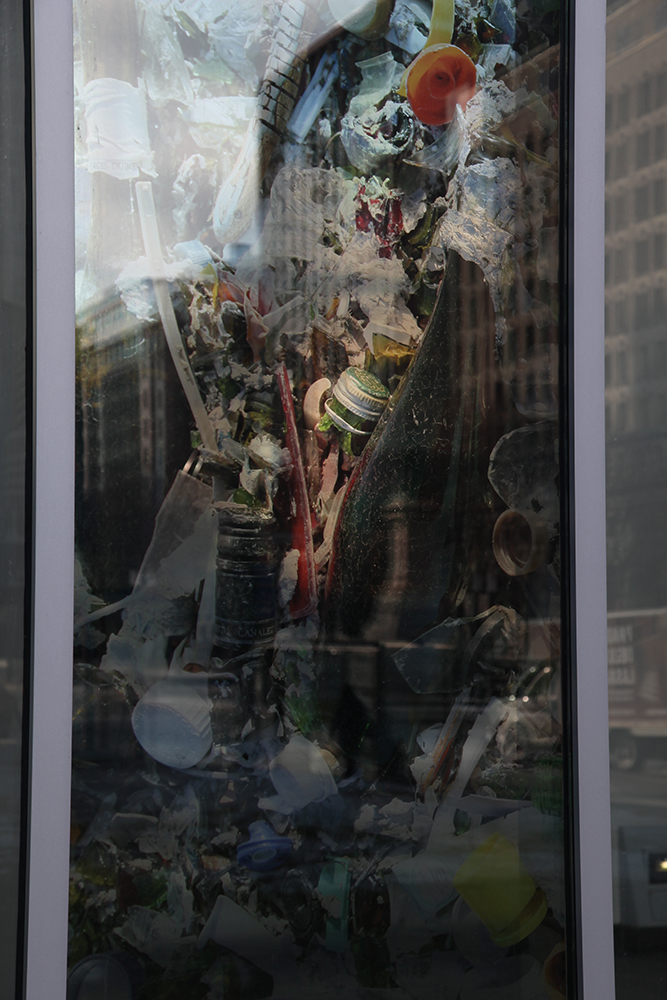
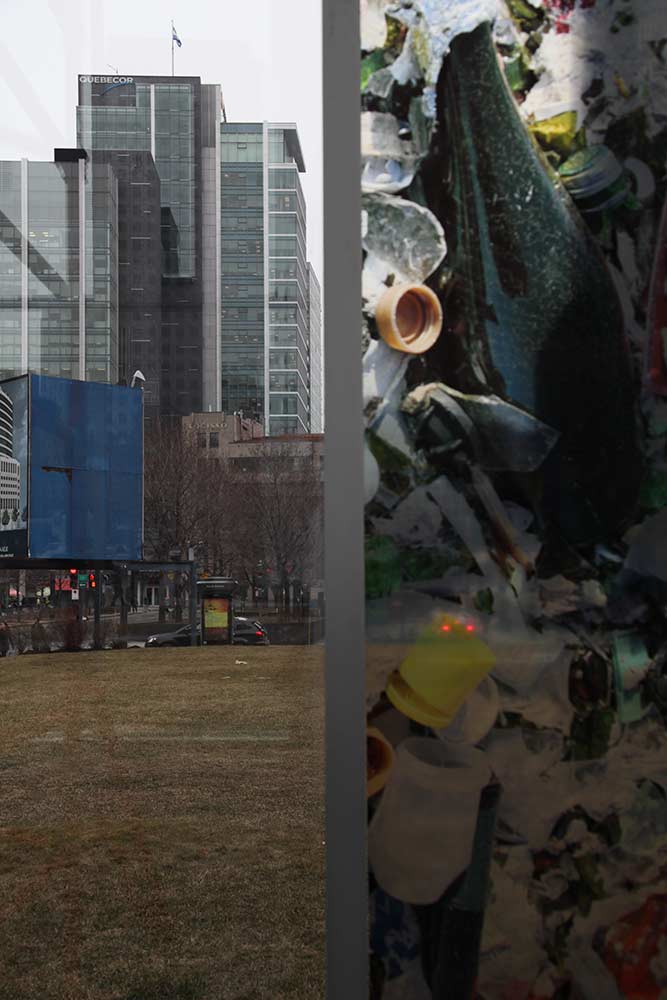
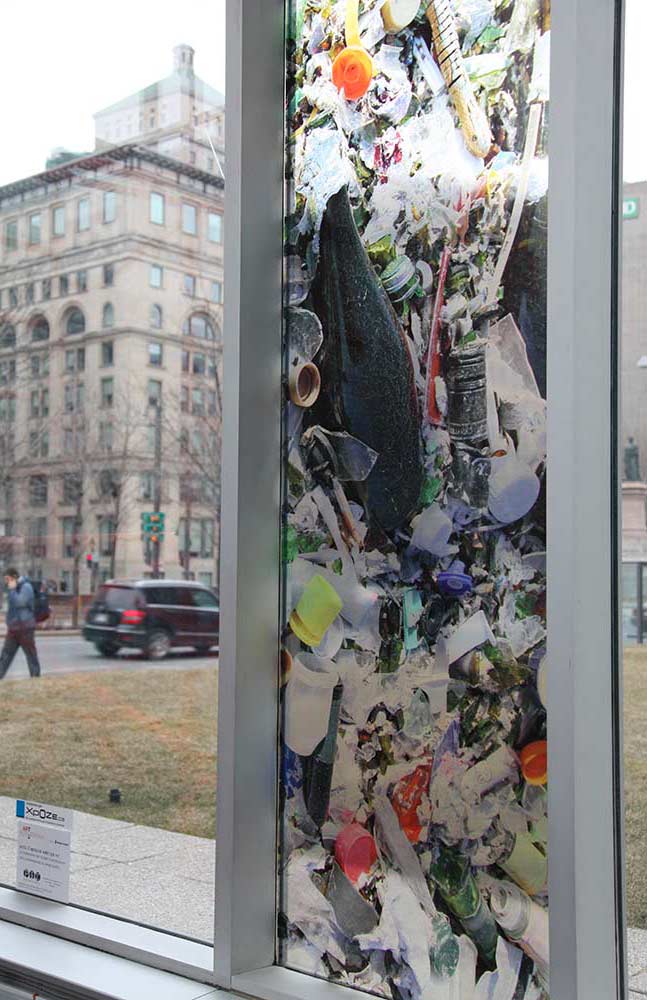
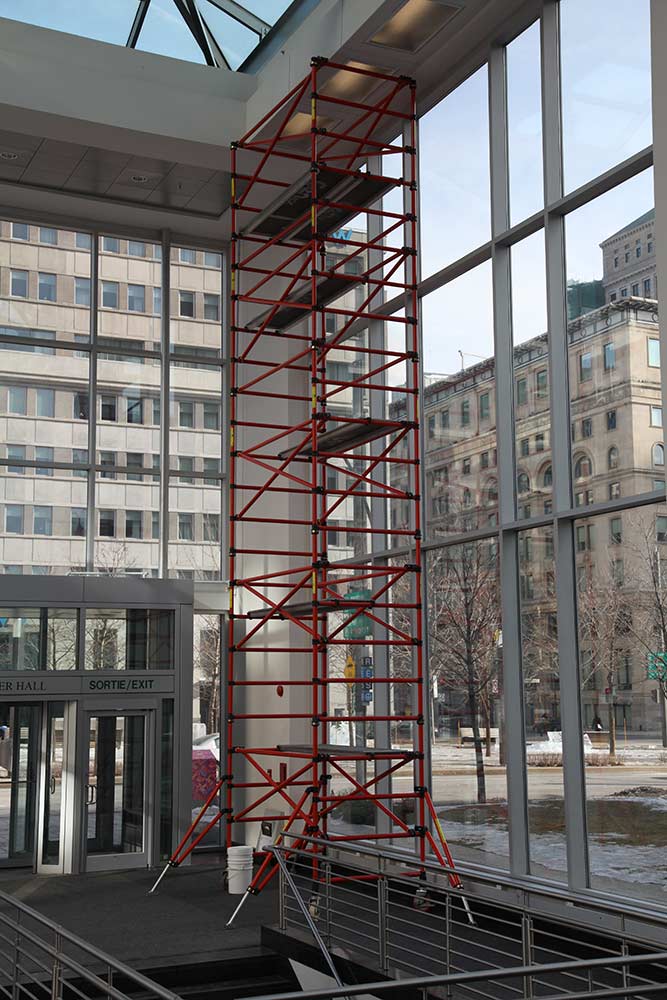
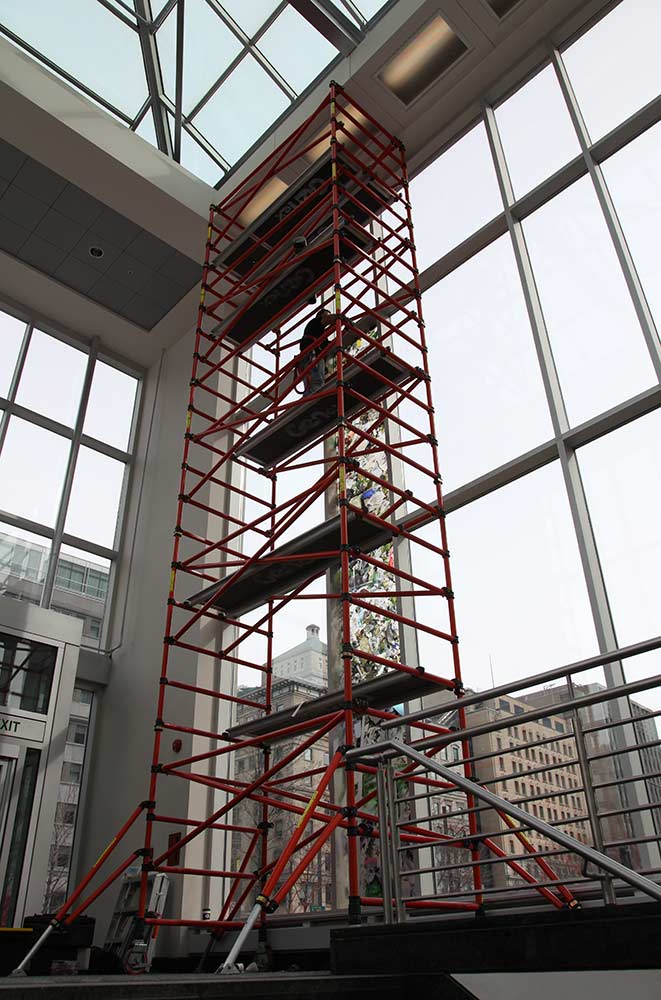
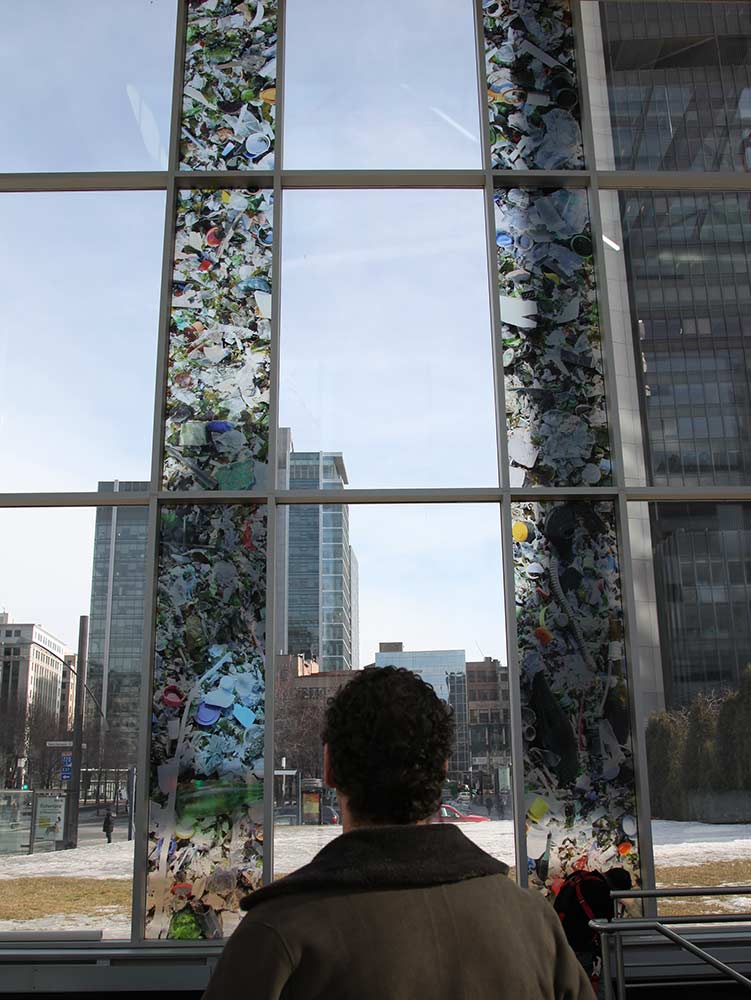
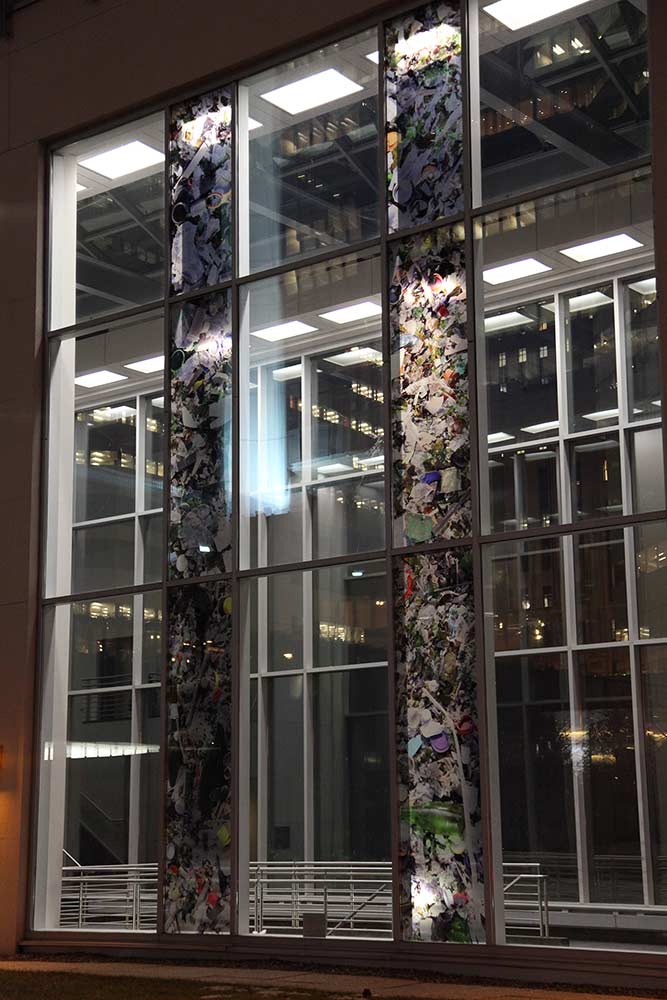
    Deux territoires – le centre de commerce mondial de Montréal et le lieu d’enfouissement de déchets (LET) de Lachenaie (Qc) – sont associés. Une pellicule photographique diaphane est ajoutée à un espace architectural de passage et par la même occasion  relie les aspects visibles et invisibles du déchet en amenant les opérations du LET en plein centre-ville. L’écologie est agencée à l’économie. Le projet les inscrit dans le réel par l’action d’un découpage visuel intégré à l’architecture vitrée, visible le jour et la nuit, de l’intérieur comme de l’extérieur.
    Leur enchâssement dans ce lieu de passage de la rue vers le métro et vice versa montre que LET n’est plus un enfouissement souterrain, mais un étagement en hauteur, car les collines de stratification d’immondices peuvent atteindre jusqu’à 40 mètres de hauteur à présent.

    Crédits
    BFI-Lachenaie. Art Souterrain, Aurélie Parent, Laurent Lamarche, Point Impression Numérique, Annie Conceicao-Rivet, Catherine Lescarbeau, Mathilde Liacre

    Place de la Cité Internationale
    Métro Square-Victoria
    Montréal
    Rue du Square-Victoria
    entre Viger et St-Antoine
    25 février – 11 mars 2012
    Dans le cadre de l’évènement Art Souterrain
    Avec l’appui financier de PAFARC-UQAM

    Photos Gisèle Trudel

    Process


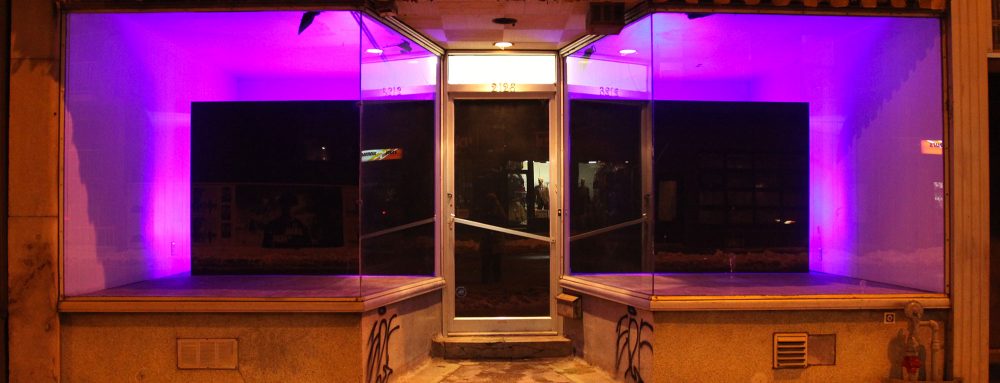
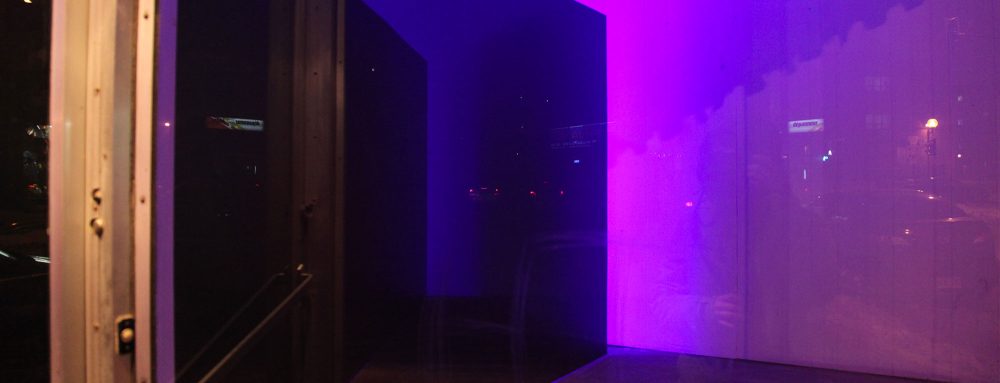
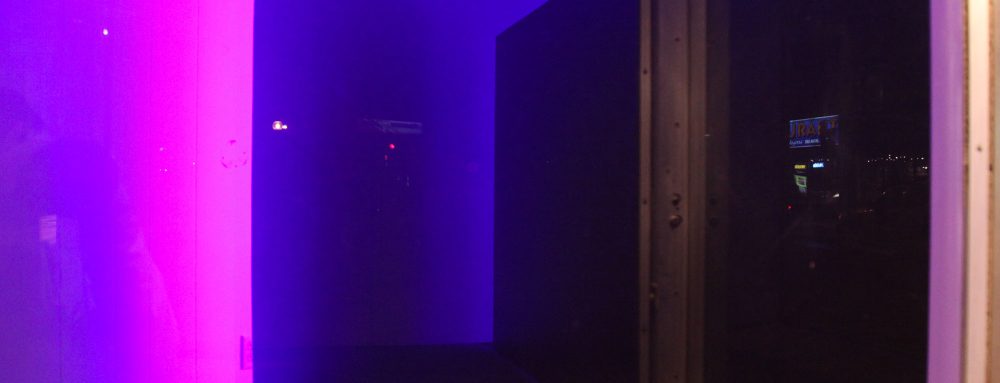
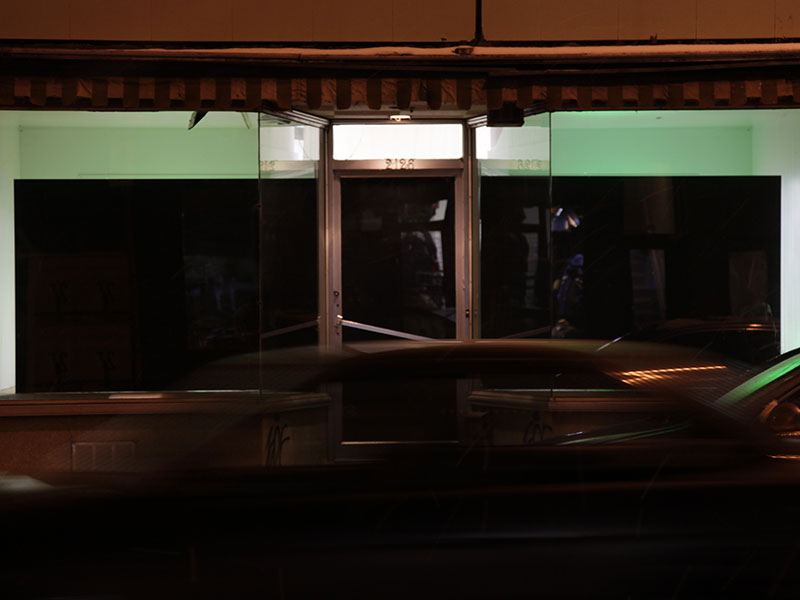
  • between light & night (2012)

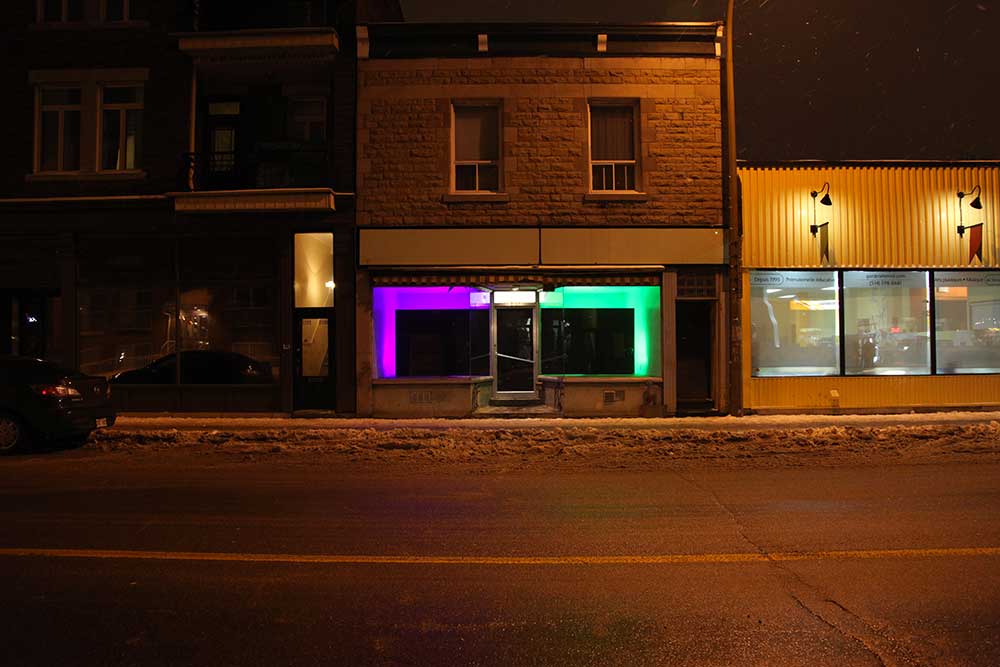
    installation lumineuse avec couleurs et cadences variées
    2012

    Crédits
    soutien à la présentation: Laurent Lamarche
    soutien technique: Hexagram-UQAM

    Merci
 à
    Stephen Schofield et Michel Daigneault
    pour cette occasion d’explorer l’in situ dans un plaisir créatif total
    photos: Gisèle Trudel

    2126, rue Rachel Est (angle de Lorimier)
    vitrines au rez-de-chaussée
    tous les jours, de 16h à 05h
    du 16 janvier au 1er avril 2012

    Photos : Gisèle Trudel

  • riding (2011)

    CDr

    Connect the ride with the elements and life forces in flux.
Recirculate blood and oxygen, exchanging at pulsed speeds. 
Moving in alignment, your kinetic mindfulness. 
Building a new body of steel and wind.

    Riding was born upstream in January 2011, at the SCANZ residency in New Zealand. Artists, scientists, Maori scholars and water people gathered together to exchange and actualize their views and ideas about the re-imagining of relationships with nature. Stéphane Claude, along with Gisèle Trudel stayed in a traditional long house at Waitara Marae for 3 days. Here they began a 2 week research and creation residency, meeting amazing people and co-creating new contexts for artistic practices. The residency culminated for them in a one night performance at the Fernery House 1 of the Pukekura Park botanical gardens. They performed during the evening, in the dark, with a multi-speakers arrangement (studio monitors, battery operated speakers) and video projected onto the fern’s room.

    Riding is comprised of field recordings, synthesizer sequences and binaural beating oscillating sine waves gathered in an uninterrupted ride. Sparse processing was done to the original field recordings: volume movements, EQ and soundfield manipulations. The recordings were collected in a trance-like posture, when listening becomes the musical unfolding of a conversation between phenomena. Blending, giving and opening up to transduction, physically.

    Duration: 39:01
    Format: CD-R
    Edition: 200
    Release Date: December 1, 2011*
    Cover: Gisèle Trudel
    Dragon’s Eye Recordings (Los Angeles)

  • Forces et milieux (2011)

    Installation performative

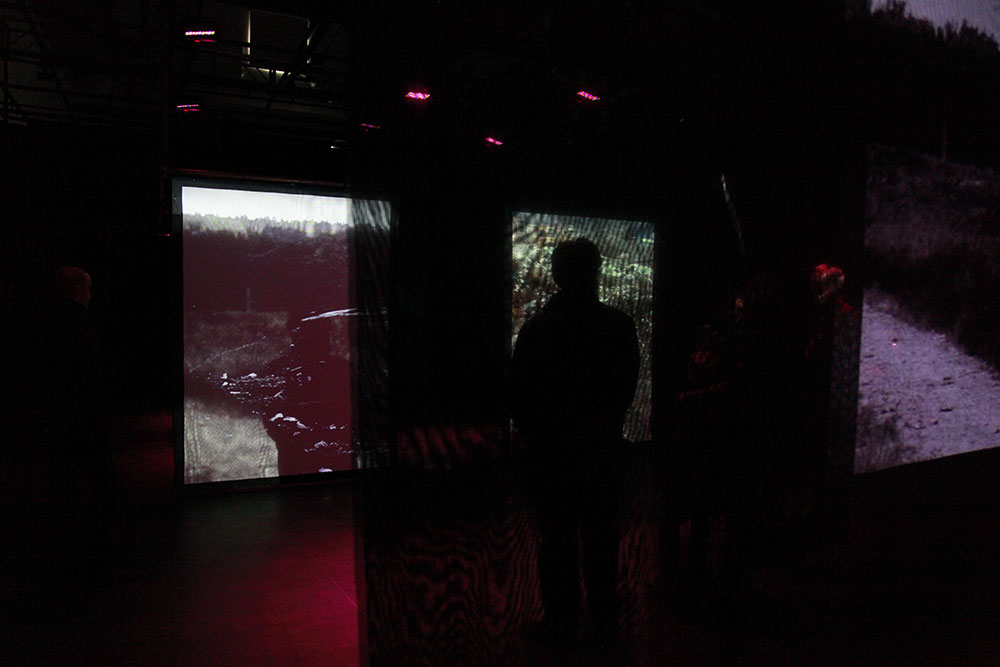
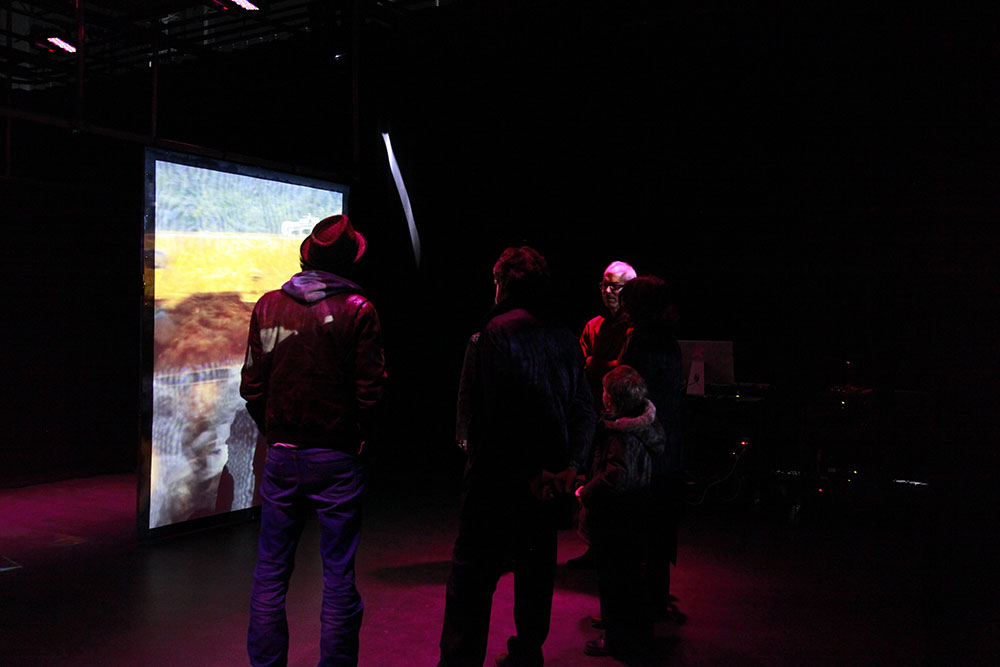
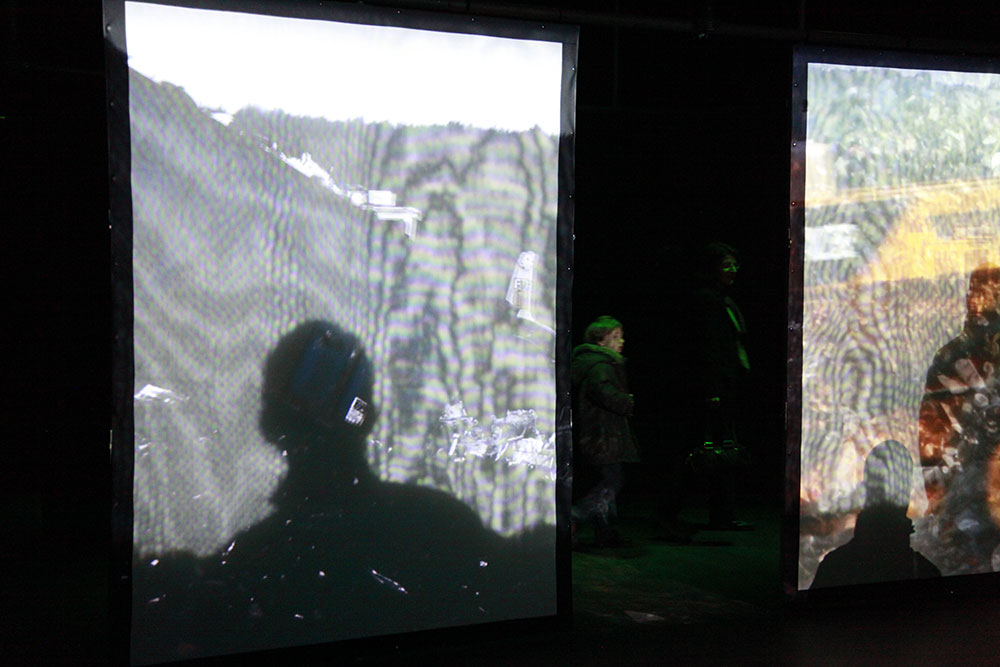
    Le rapport à la composition de l’image vidéo en direct se poursuit dans ce nouveau projet sur les opérations du lieu d’enfouissement technique de déchets situé à Lachenaie, Québec. Seront tracées « des manières d’être dans des rapports entre le visible et l’invisible » (Rancière) par une fragmentation visuelle éphémère qui réfléchit aux stratifications entre objets déchus, actions humaines et milieux physiques.

    Le dessin réagence des plans dans un espace avec écrans multiples, systèmes lumineux varichrome et varilite, et une variété de dispositifs de son immersif. Le stylet, la tablette graphique et le son activent la relation avec les milieux qui informent l’opération de transformation du déchet.

    Crédits
    Collaborateurs : Jim Bell, Nancy Bussières, Philippe-Aubert Gauthier.
    Appui à la production : Catherine Béliveau, Natalie Lafortune, Laurent Lamarche, Keith McMullen, Martin Pelletier, Jacques Perron.
    Appui à la recherche : Gabriel L. Savage
    Accueil: Geneviève Godin, Geneviève Trudel, Catherine Lescarbeau
    Soutien technique : Hexagram-UQAM

    vendredi 28 octobre et samedi 29 octobre 2011 : 16h à 20h
    Performances aux demi-heures
    Agora Hydro-Québec du Coeur des Sciences de l’UQAM
    175, avenue du Président-Kennedy
(Métro Place-des-Arts)
    Entrée libre

    Présentée dans le cadre de la série d’événements Marqueurs de subduction organisée par le Grupmuv en octobre et novembre 2011 à Montréal

    Stéphane Claude remercie le Conseil des arts du Canada et le Conseil des arts et des lettres du Québec.
 Gisèle Trudel remercie le FQRSC, le Programme d’aide financière à la recherche-création de l’UQAM et BFI-Lachenaie.

    Photos : Catherine Béliveau et Gisèle Trudel.

  • Fukushima mes amours (2011)

    animation de particules 3D
    1 minute 03 secondes
    2011

    À toutes les formes vivantes qui ont disparu depuis le 11 mars 2011.
    À leur souvenir qui se transformera aussi.

    Marqueurs de subduction
    Exposition collective internationale avec
    Ælab, Michel Boulanger, Thomas Corriveau, Katja Davar, Andrée-Anne Dupuis Bourret et Florian Wüst

    Le dessin en mouvement s’inscrit dans cette exposition en tant qu’indice d’un phénomène souterrain et puissant, révélant de manière singulière ce que les activités humaines transforment dans le paysage.
 À l’image de ces frictions et collisions qui bouleversent la croûte terrestre, ces marqueurs nous interpellent au niveau de la relation de l’humain avec son environnement naturel.

    Organisée par le Grupmuv, laboratoire de recherche-création en dessin et image en mouvemant
    15 octobre au 19 novembre 2011
    Galerie B-312
    372, rue Sainte-Catherine Ouest, espace 403, Montréal
    Mardi au samedi 12h – 17h
    www.galerieb-312.qc.ca

    Avec l’appui du Fonds québécois de recherche sur la société et la culture (FRQSC)

  • l’espace du milieu (2011)

    Permutational installation and night projection

    L’espace du milieu explores the reflexive emanations of the middle zone which supports life, between earth and sky. The middle (or centre or interval) operates multiples changes with what surrounds it.
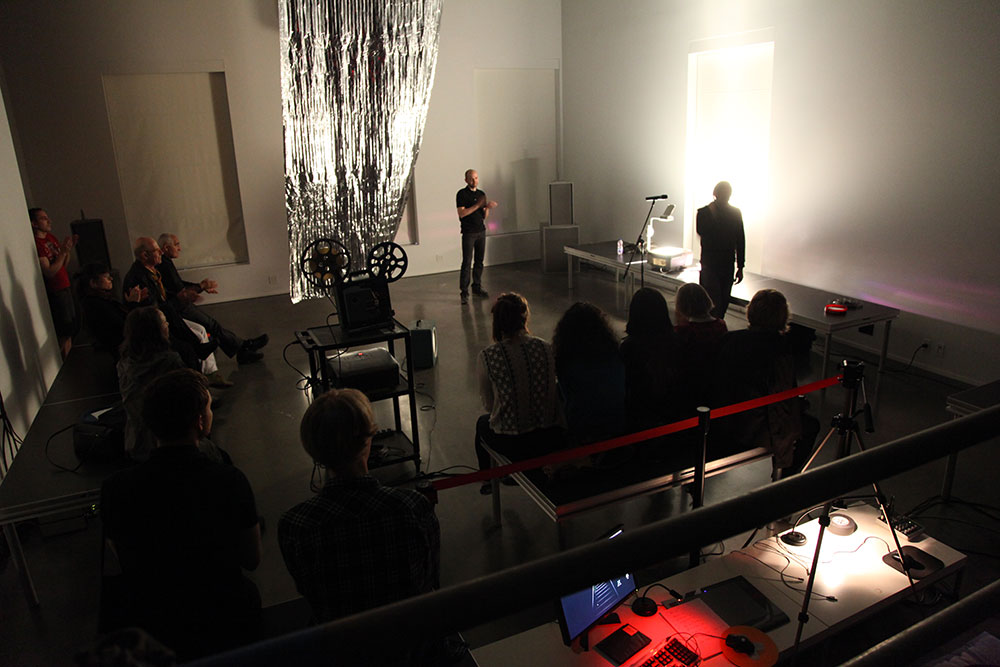
    There also accumulates greenhouse gases, ionospheric manipulations of the weather, chemical and bacterial aerosols. The work is experiential, inflecting the vibrational activity of middle spaces, which include and exceed humans.
    Credits and thank you
    Jim Bell, Nancy Bussières, Philippe-Aubert Gauthier, Florian Grond, Laurent Lamarche, Simon Rolland, Daniel Courville, Natalie Lafortune, Catherine Lamontagne-Drolet, Keith McMullen, Christian Miron and Martin Pelletier.
    With the support of Hexagram-UQAM, Grupmuv and OBORO.

    Presented at the Darling Foundry
    Montreal
    In situ project in 3 parts
    February 16 – April 10, 2011
    Part 1 : production residency in the small gallery, February 16 to March 9.
    Part 2 : multiprojection at night on the transluscent windows on Prince Street.
    February 26 to March 5, 6pm to midnight.
    Launched during Nuit Blanche, February 26, 5pm to 5am.
    Part 3 : installation in the small gallery, March 11 to April 10.
    Opening March 10.
    Artist talk April 7.

    Project produced with the financial assistance of the Canada Council for the Arts, the Conseil des arts et des lettres du Québec, the Programme d’aide financière à la recherche-création de l’UQAM (PAFARC) and the Fonds de recherche québécois société et culture (FQRSC).

    Photos : Guy L’Heureux, Jacques Perron et Gisèle Trudel