Auteur : Admin_GT

  • dark room (2011)

    Photos : Toni Hafkenscheid

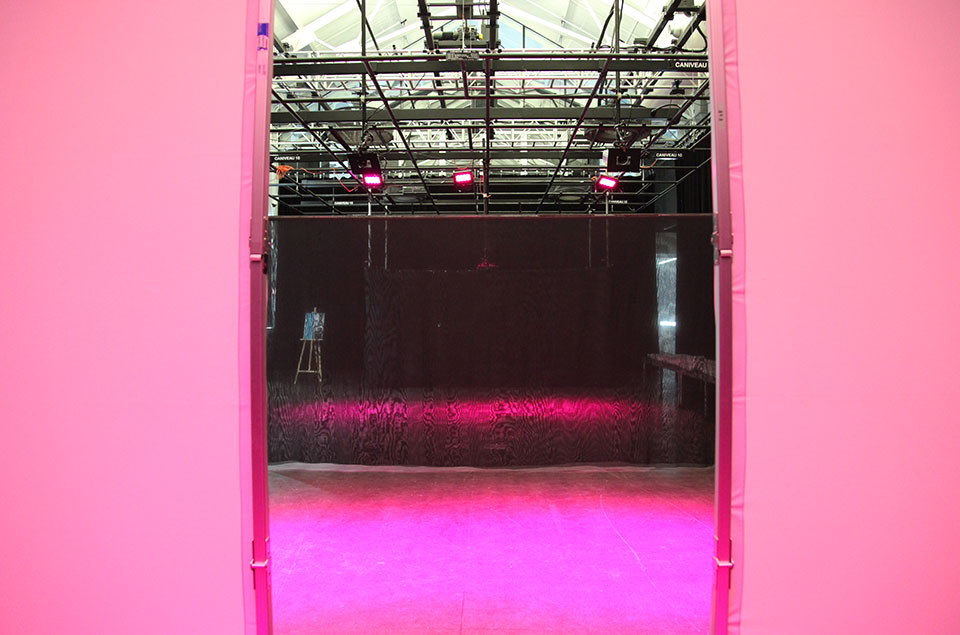
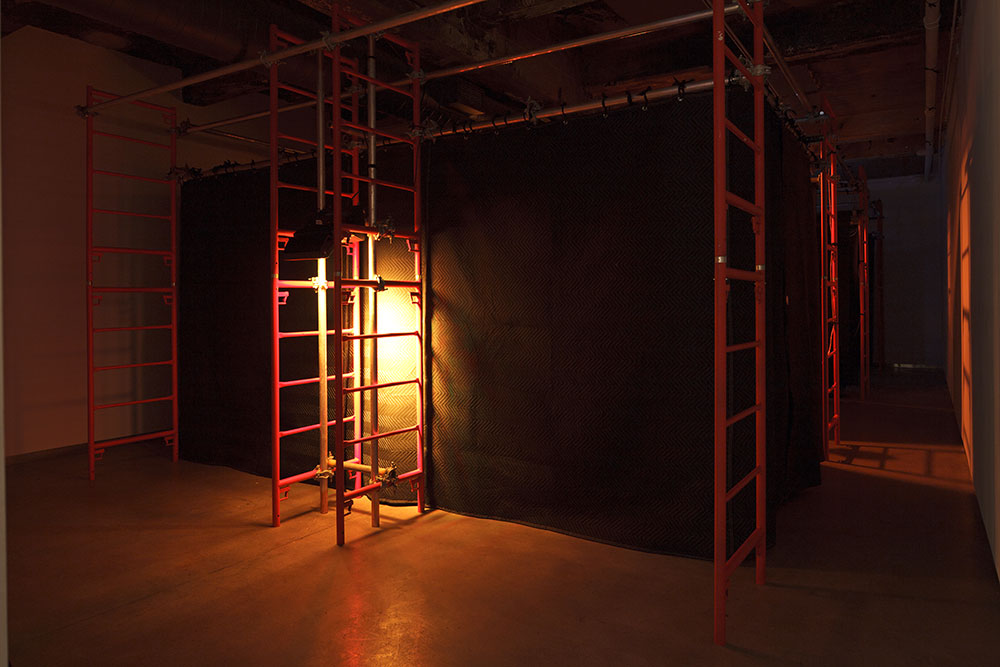
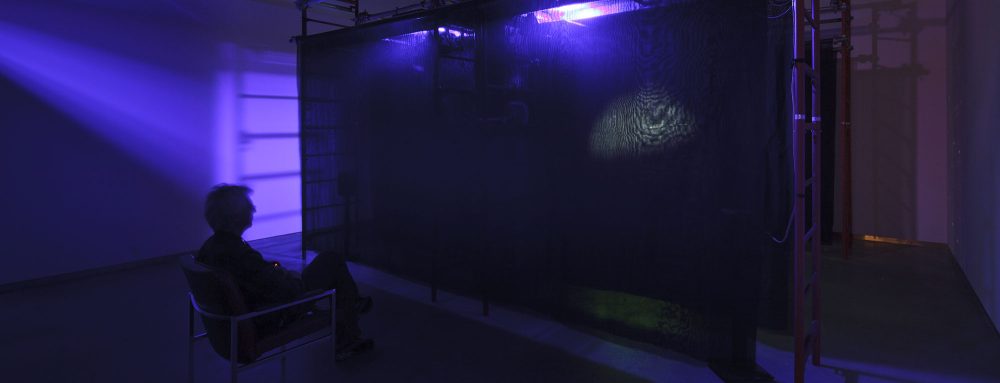
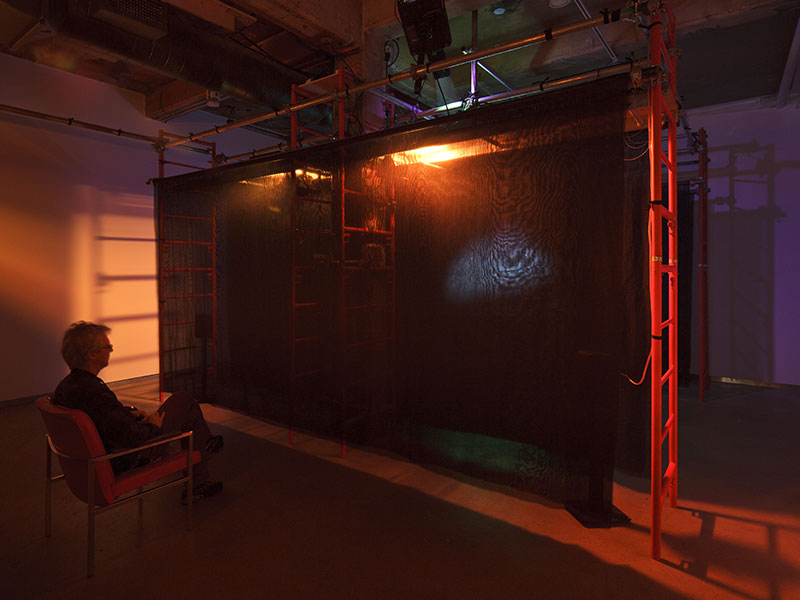
    Dark Room
    Tactile sound installation
    2011

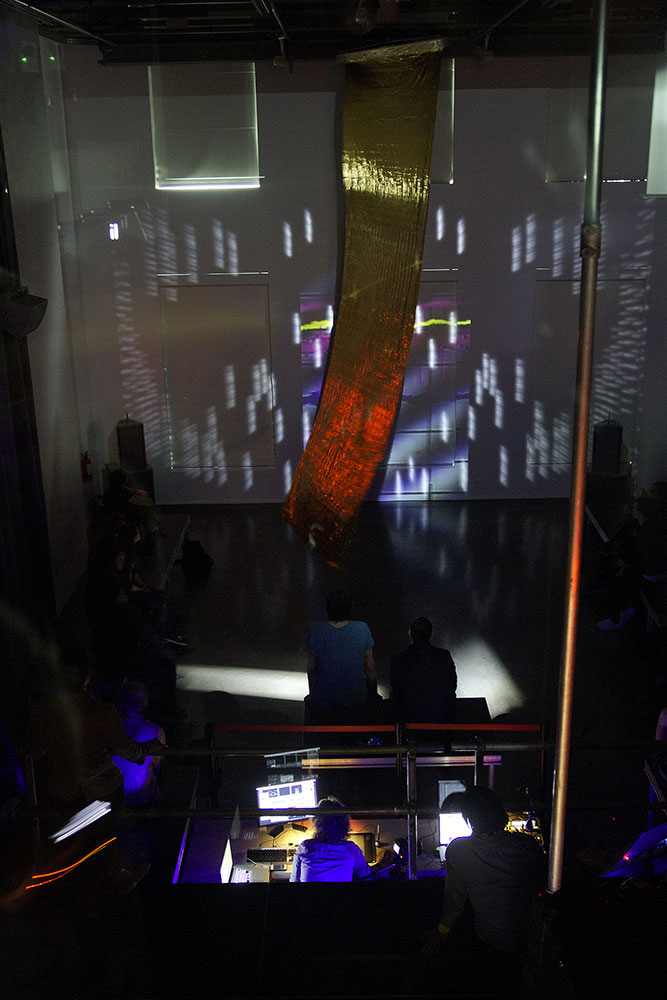
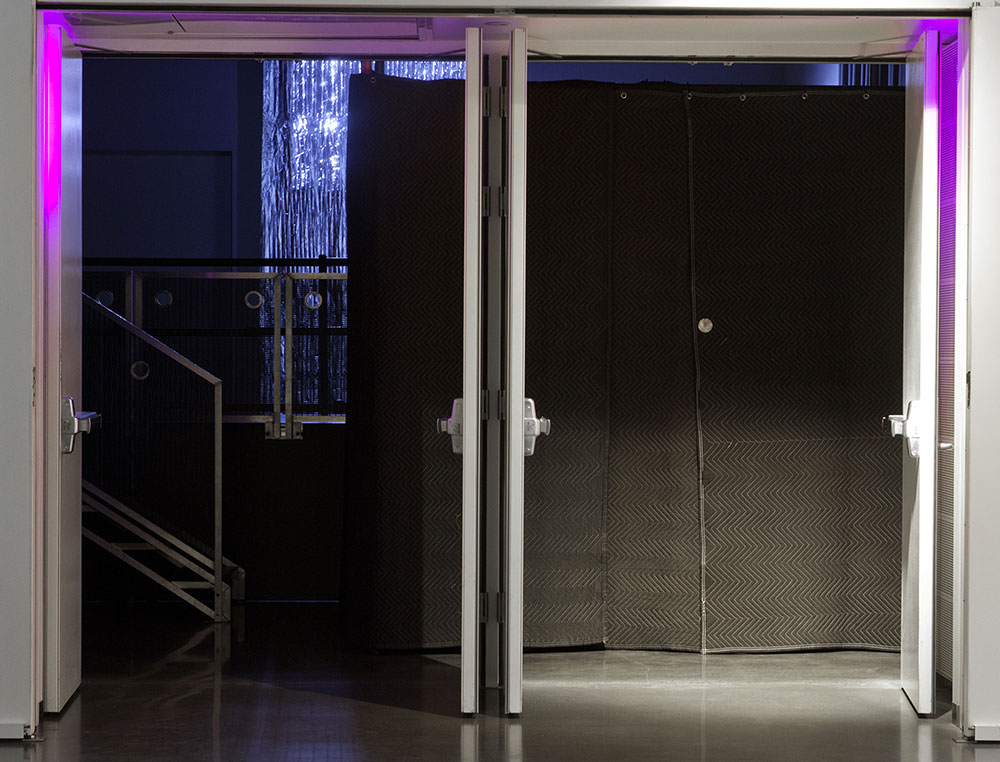
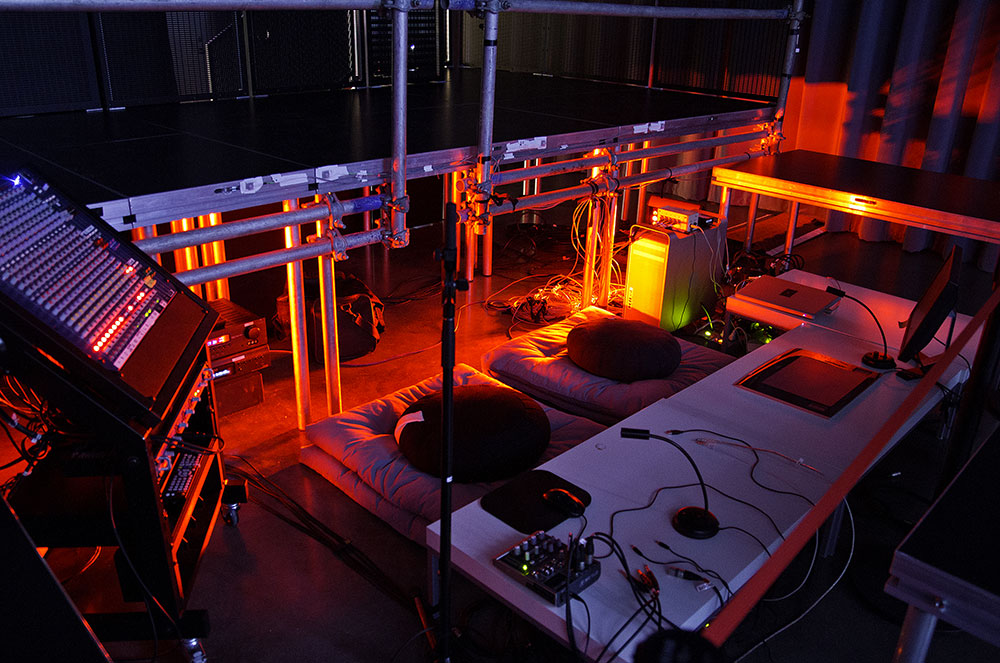
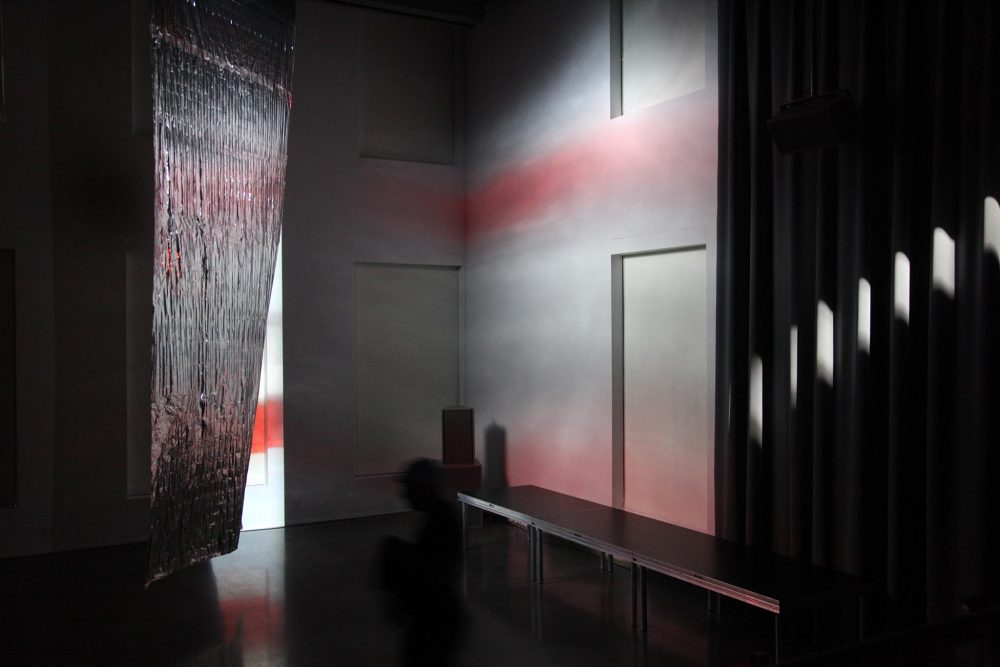
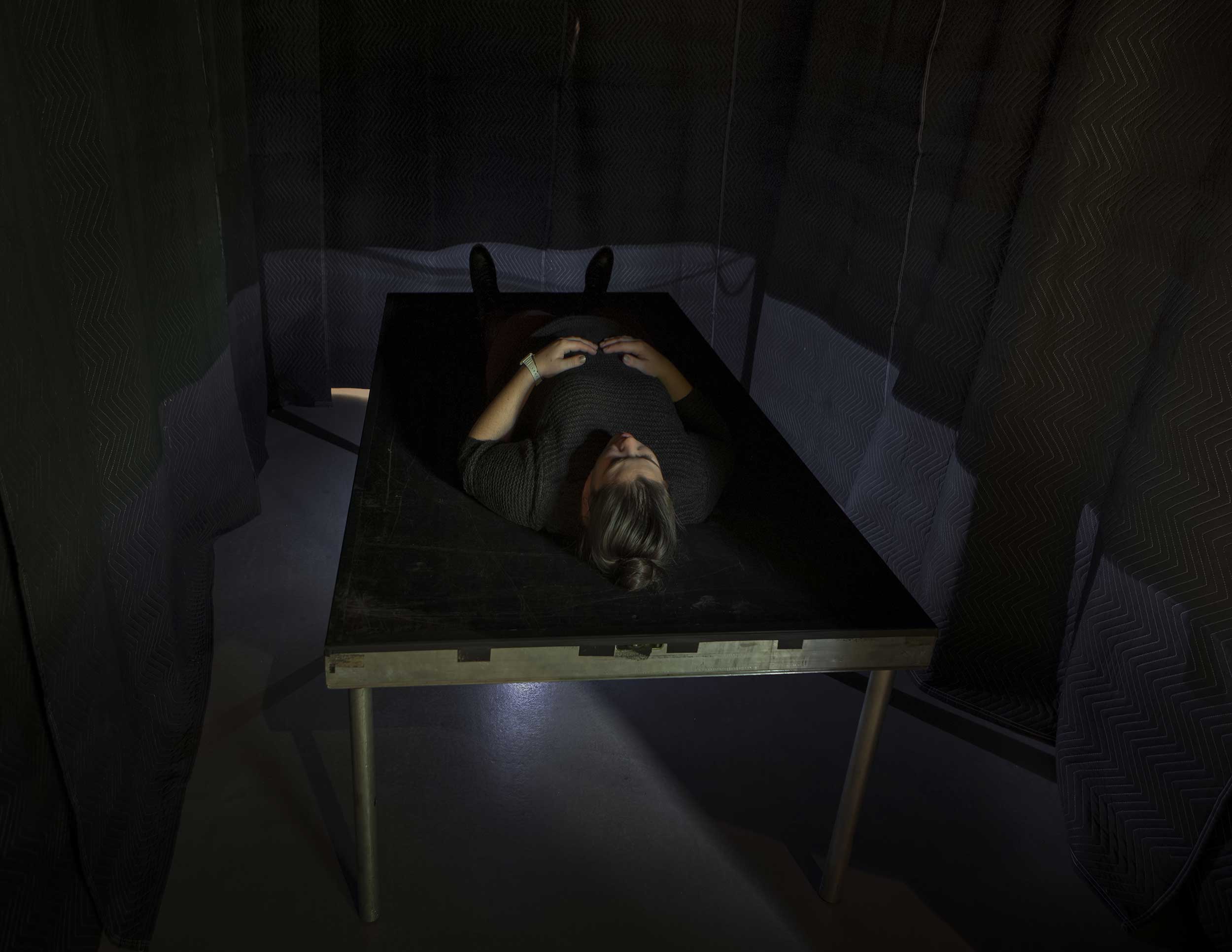
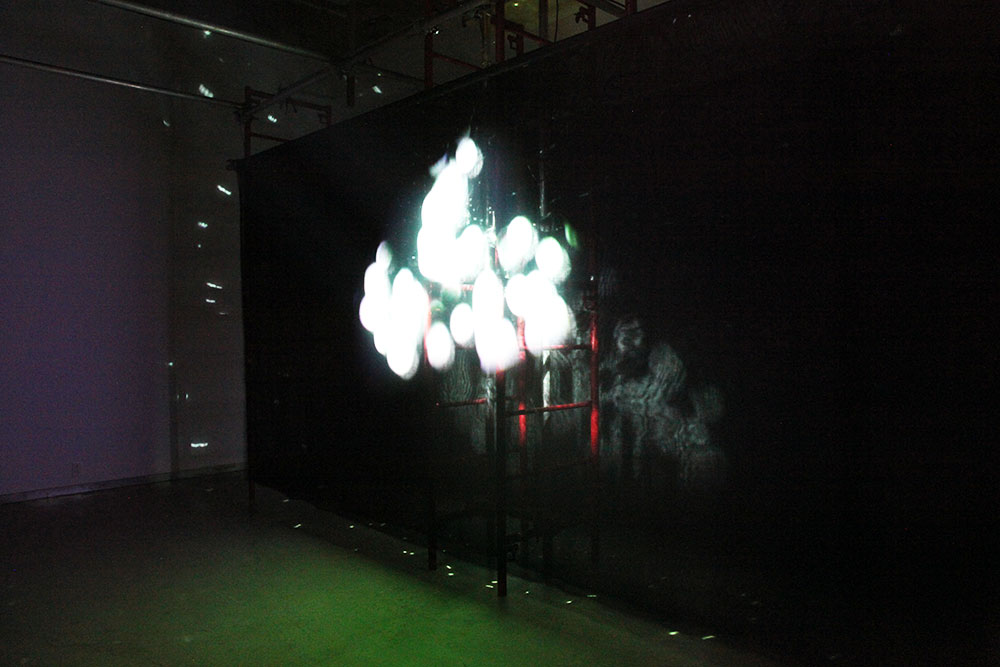
    A dark room designed for blackness, tactile sound, the bones, muscles and nerve network in the body. It’s a way to get in contact with inner & outer space, death and the sensuous. The room is an installation where people interact with spatial cues and intimacy while lying down on an elevated platform. This work is concerned with direct and swift transduction of the sound program to different sensorial zones of the body, mechanical transmission without airborne audio transmission. A sound massage from the chthonic.

    Included in SPLICE group exhibition

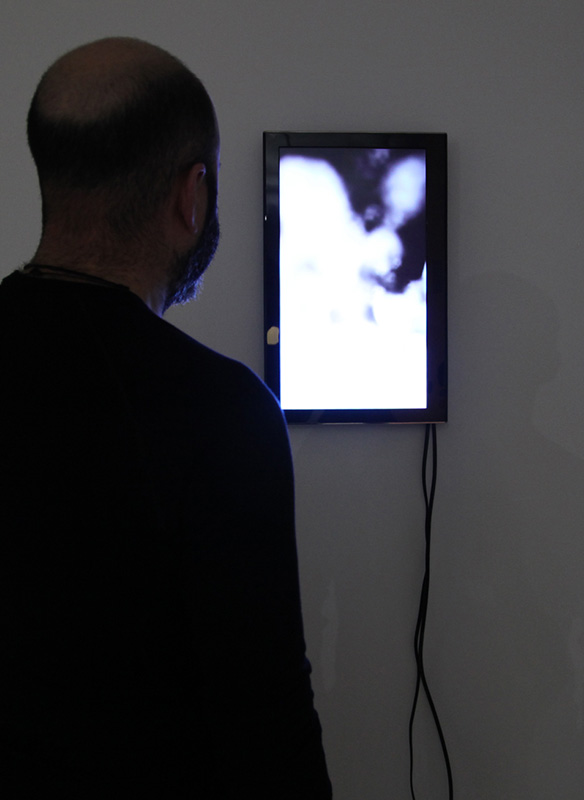
    SPLICE: At the Intersection of Art and Medicine presents a scientific gaze at the human body by showcasing traditional anatomical art, complemented and challenged by contemporary artworks. A large-scale public showing of anatomical images by Maria Wishart, Eila Hopper-Ross, Nancy Joy, Dorothy Foster Chubb, Elizabeth Blackstock and Margaret Drummond, selected from the extensive collection of Biomedical Communications, University of Toronto Mississauga and the Division of Anatomy, Faculty of Medicine, is included in the show. These artists utilized their traditional knowledge of art and science to achieve a balance between realistic rendering and an artistic vision of the human body. Lately, contemporary artists have been initiating a fresh discourse by experimenting with a wide range of representations. Today the body is frequently politicized and digitized in order to manipulate, dissect and provoke. Through the work of these artists SPLICE: At the Intersection of Art and Medicine addresses how understanding the complexity of the human anatomy requires both a scientific approach and aesthetic interpretation.
    – Nina Czegledy, Curator

    Pratt Manhattan Gallery
    New York
    Sept 20-Nov 19
    2013

    Blackwood Galleries
    Toronto
    October 24 – December 1
    2012

  • Futur au présent (2012)

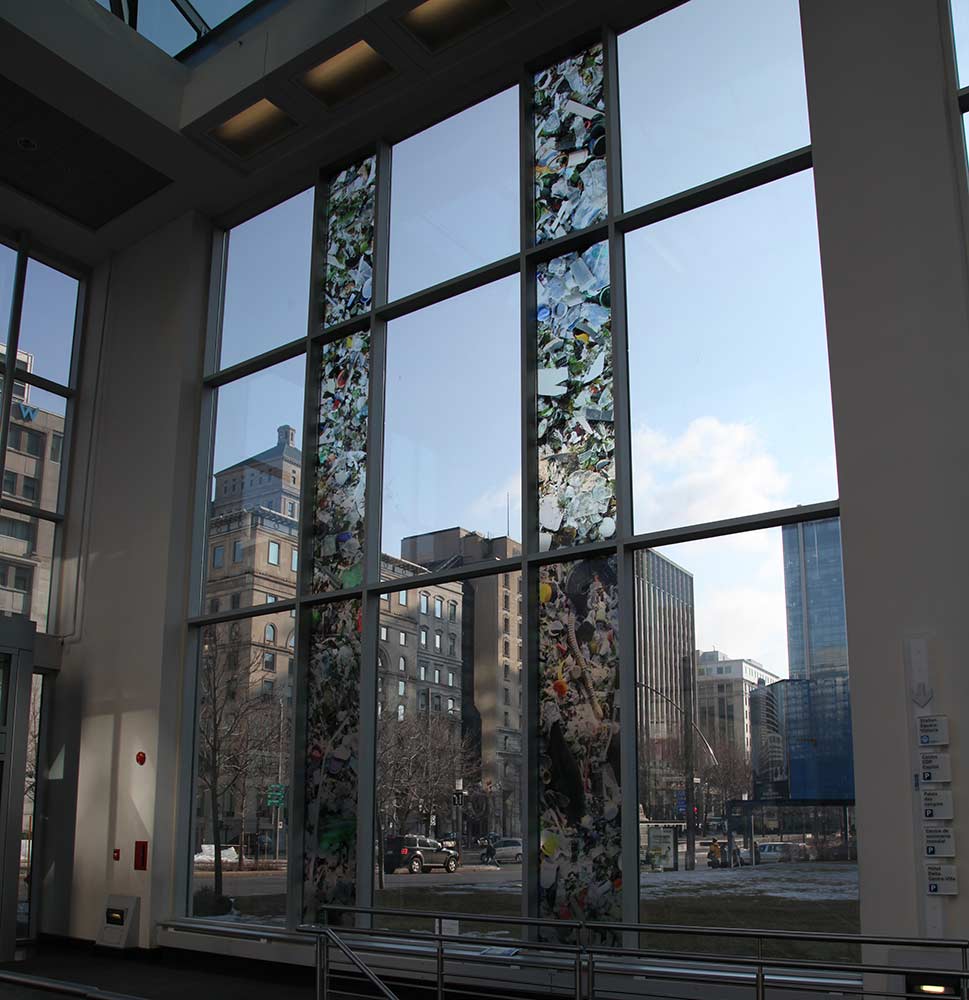
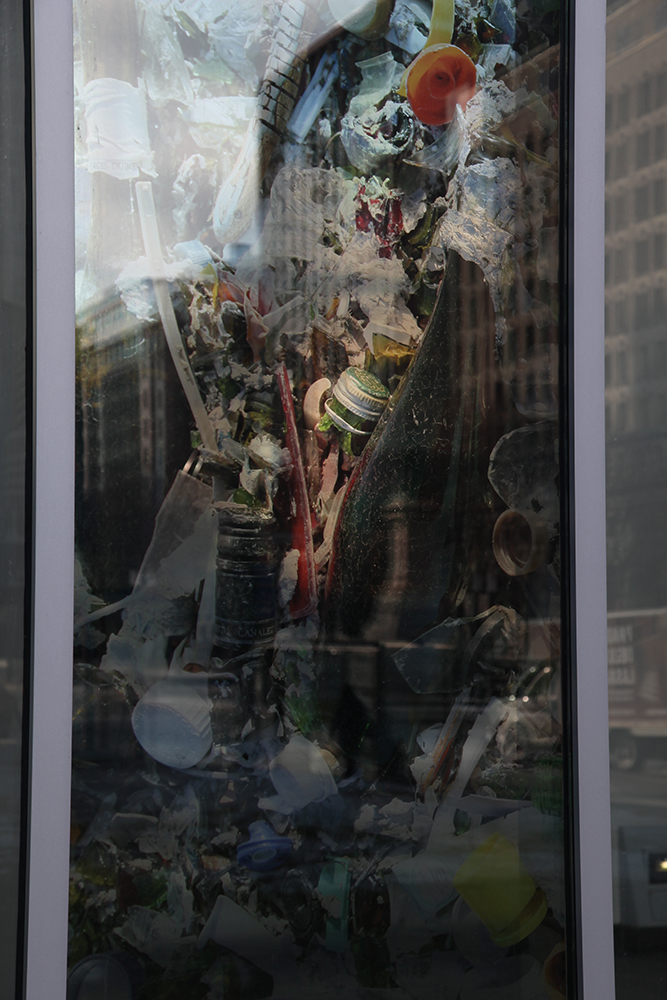
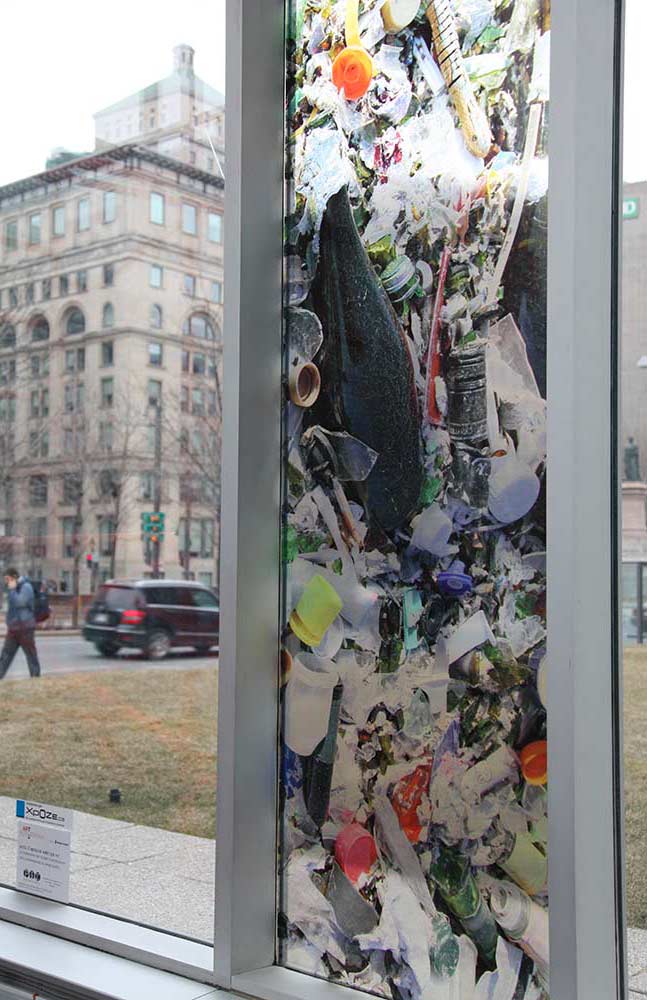
    photographie sur vinyle transparent
    2 x 4 pieds x 30 pieds
    2012

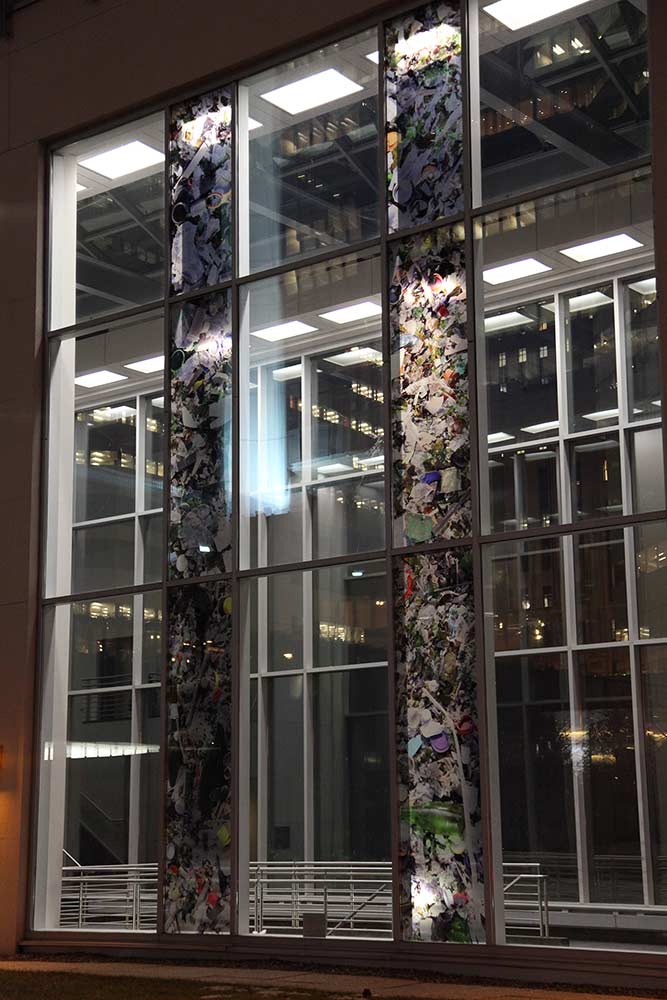
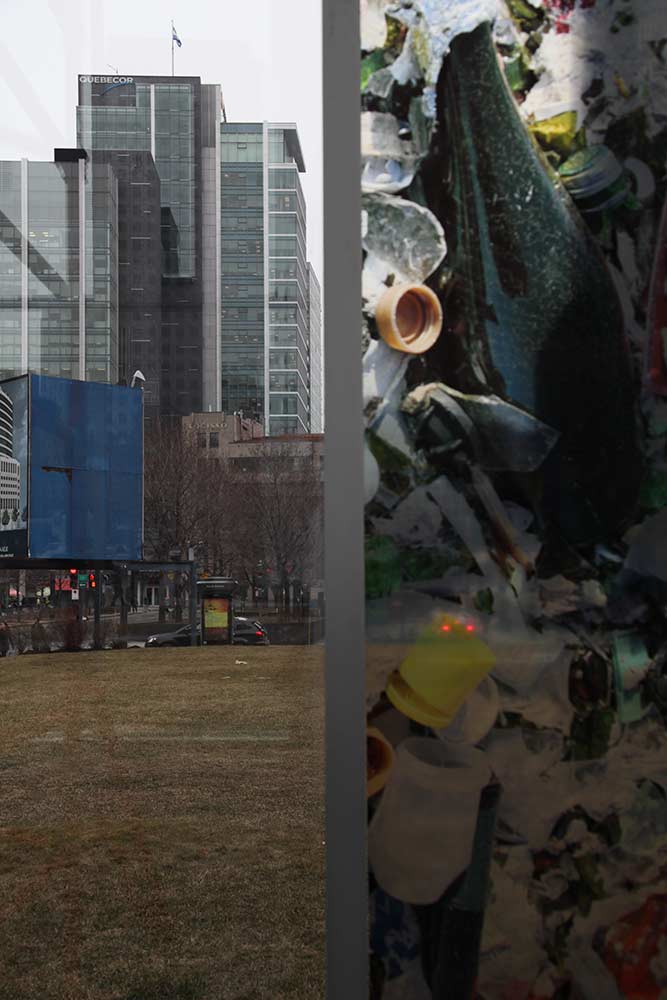
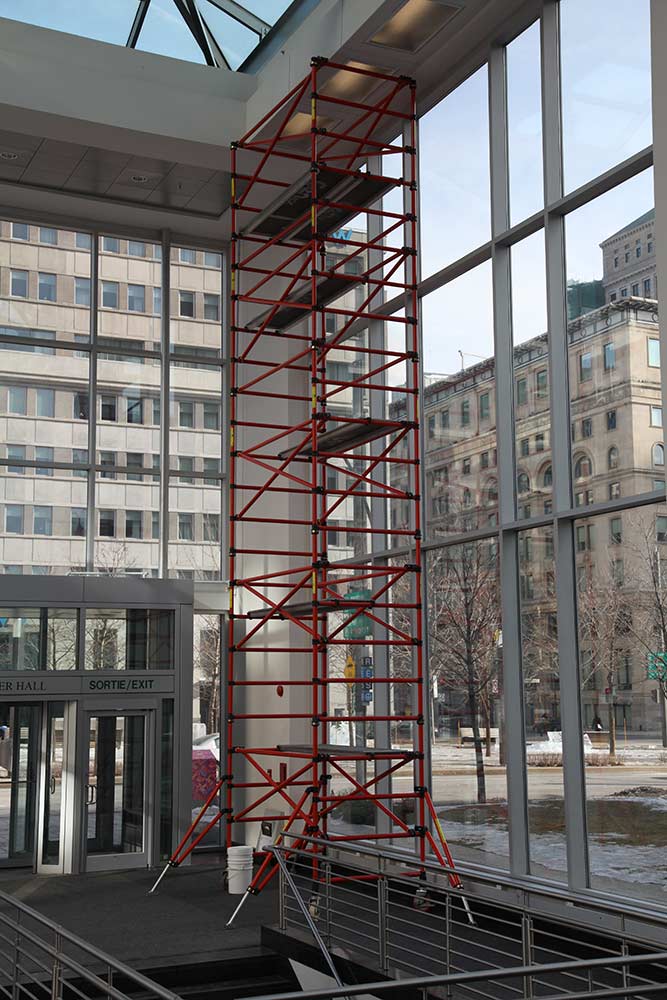
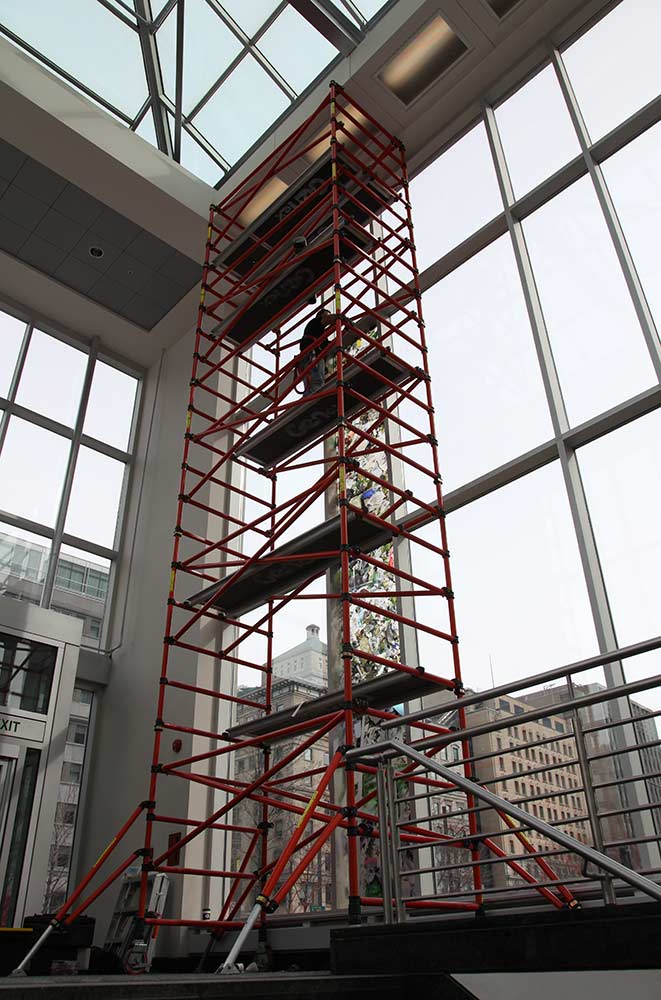
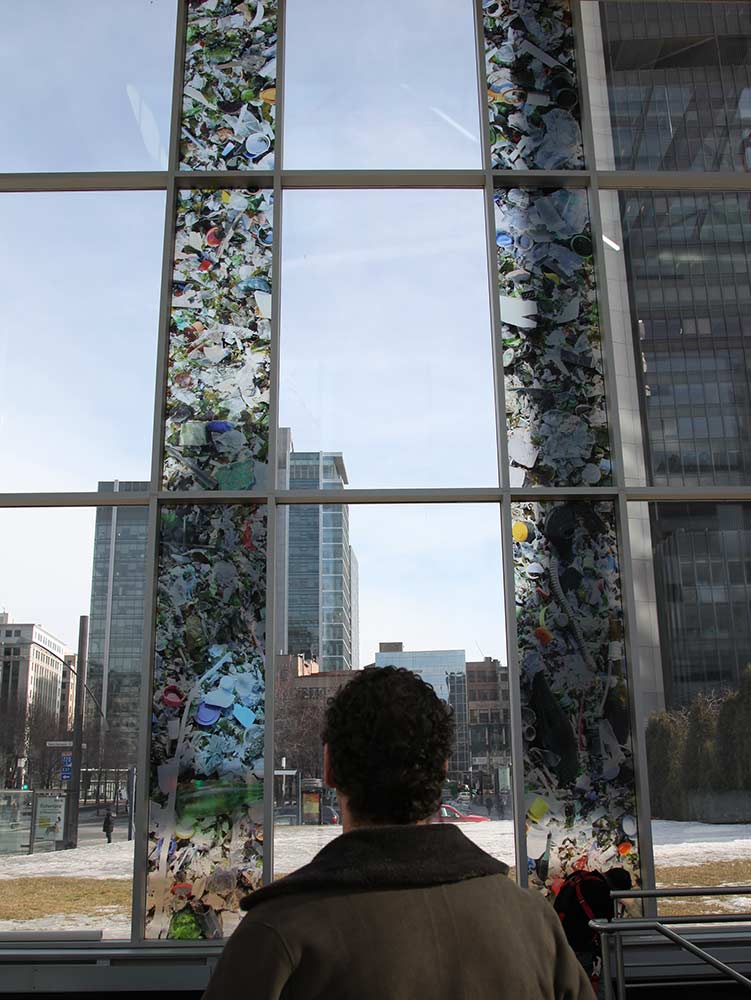
    Deux territoires – le centre de commerce mondial de Montréal et le lieu d’enfouissement de déchets (LET) de Lachenaie (Qc) – sont associés. Une pellicule photographique diaphane est ajoutée à un espace architectural de passage et par la même occasion  relie les aspects visibles et invisibles du déchet en amenant les opérations du LET en plein centre-ville. L’écologie est agencée à l’économie. Le projet les inscrit dans le réel par l’action d’un découpage visuel intégré à l’architecture vitrée, visible le jour et la nuit, de l’intérieur comme de l’extérieur.
    Leur enchâssement dans ce lieu de passage de la rue vers le métro et vice versa montre que LET n’est plus un enfouissement souterrain, mais un étagement en hauteur, car les collines de stratification d’immondices peuvent atteindre jusqu’à 40 mètres de hauteur à présent.

    Crédits
    BFI-Lachenaie. Art Souterrain, Aurélie Parent, Laurent Lamarche, Point Impression Numérique, Annie Conceicao-Rivet, Catherine Lescarbeau, Mathilde Liacre

    Place de la Cité Internationale
    Métro Square-Victoria
    Montréal
    Rue du Square-Victoria
    entre Viger et St-Antoine
    25 février – 11 mars 2012
    Dans le cadre de l’évènement Art Souterrain
    Avec l’appui financier de PAFARC-UQAM

    Photos Gisèle Trudel

    Process


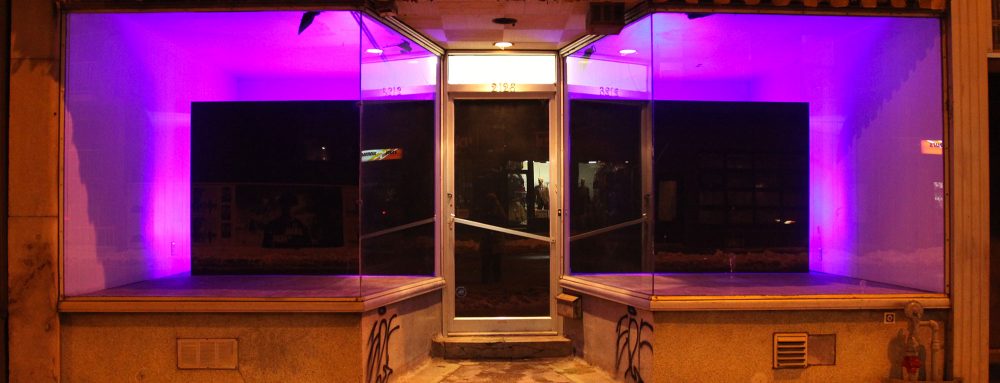
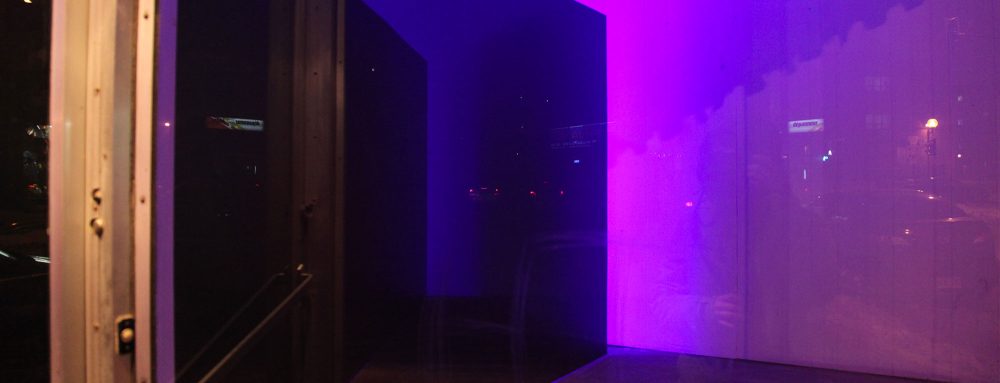
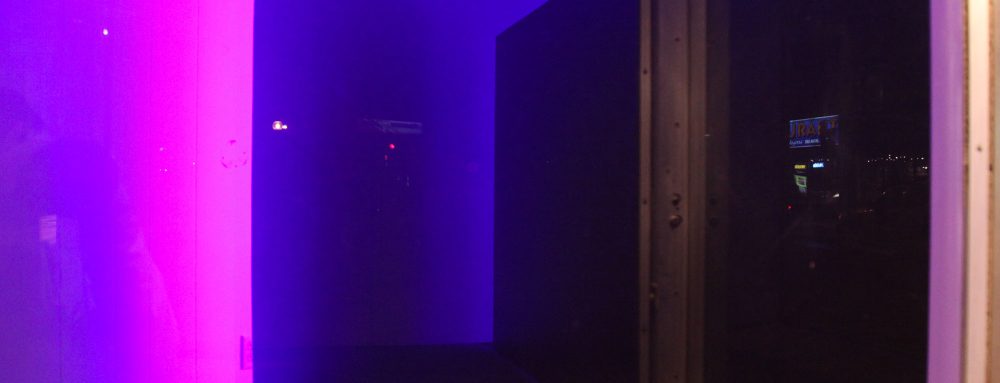
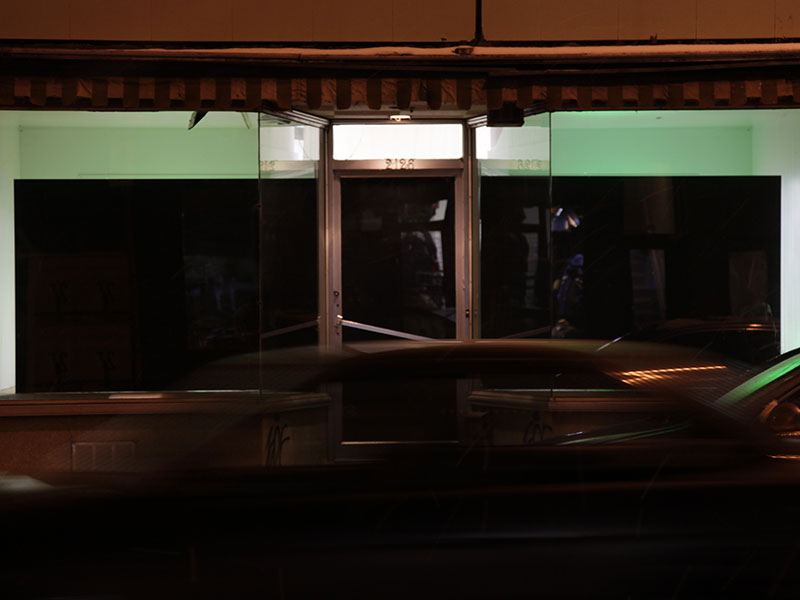
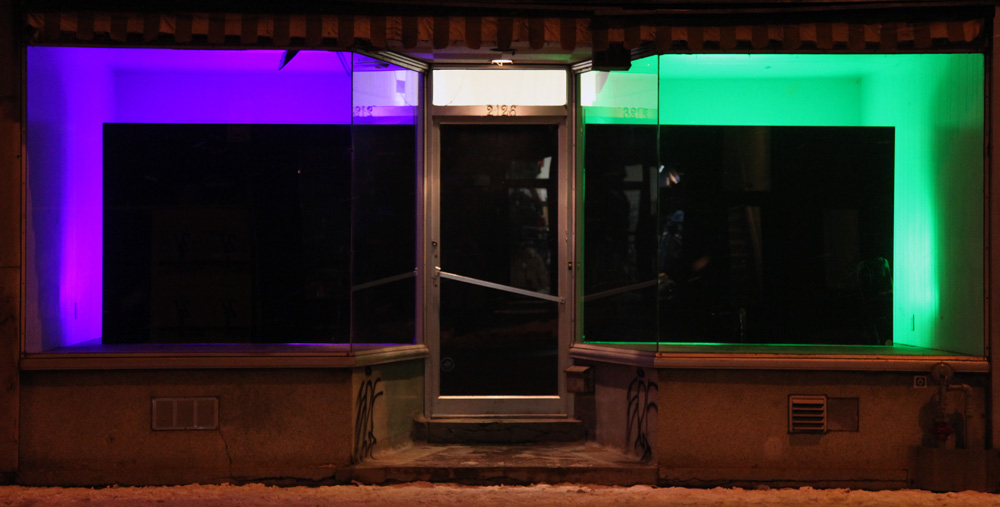
  • between light & night (2012)

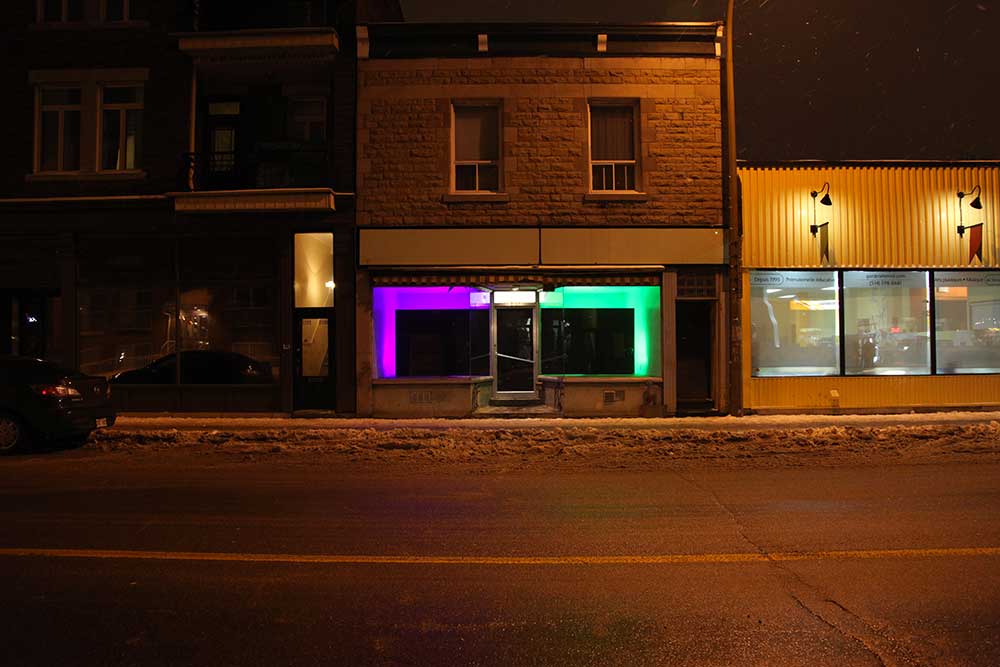
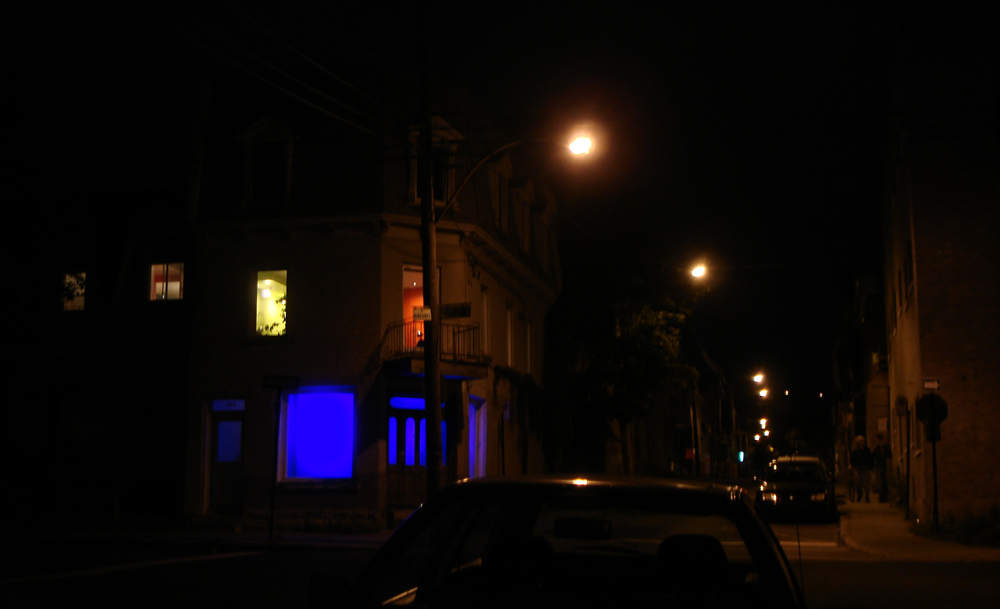
    installation lumineuse avec couleurs et cadences variées
    2012

    Crédits
    soutien à la présentation: Laurent Lamarche
    soutien technique: Hexagram-UQAM

    Merci
 à
    Stephen Schofield et Michel Daigneault
    pour cette occasion d’explorer l’in situ dans un plaisir créatif total
    photos: Gisèle Trudel

    2126, rue Rachel Est (angle de Lorimier)
    vitrines au rez-de-chaussée
    tous les jours, de 16h à 05h
    du 16 janvier au 1er avril 2012

    Photos : Gisèle Trudel
  • riding (2011)

    CDr

    Connect the ride with the elements and life forces in flux.
Recirculate blood and oxygen, exchanging at pulsed speeds. 
Moving in alignment, your kinetic mindfulness. 
Building a new body of steel and wind.

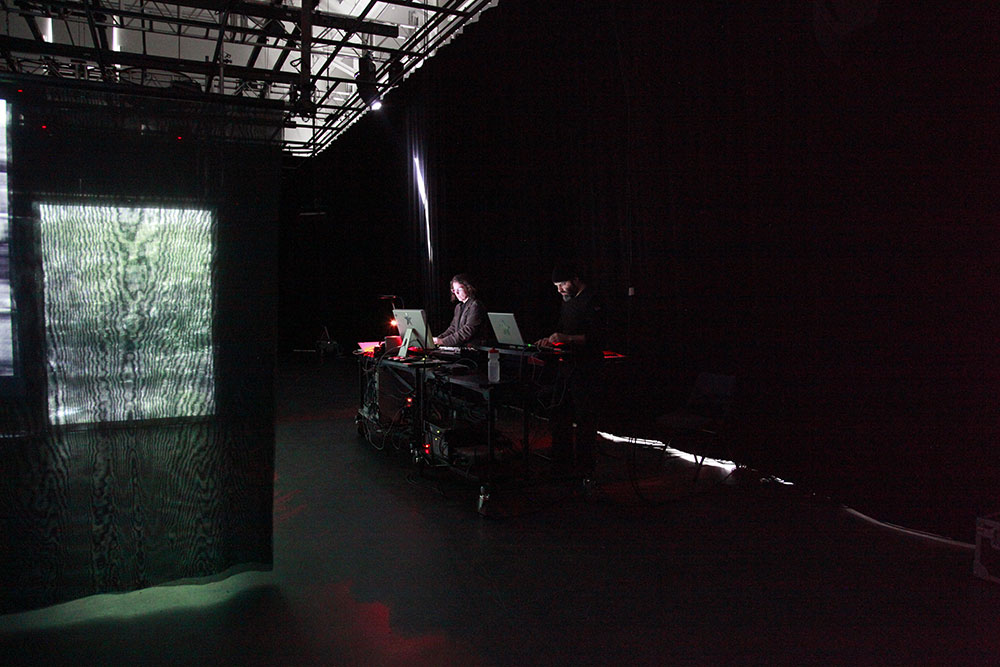
    Riding was born upstream in January 2011, at the SCANZ residency in New Zealand. Artists, scientists, Maori scholars and water people gathered together to exchange and actualize their views and ideas about the re-imagining of relationships with nature. Stéphane Claude, along with Gisèle Trudel stayed in a traditional long house at Waitara Marae for 3 days. Here they began a 2 week research and creation residency, meeting amazing people and co-creating new contexts for artistic practices. The residency culminated for them in a one night performance at the Fernery House 1 of the Pukekura Park botanical gardens. They performed during the evening, in the dark, with a multi-speakers arrangement (studio monitors, battery operated speakers) and video projected onto the fern’s room.

    Riding is comprised of field recordings, synthesizer sequences and binaural beating oscillating sine waves gathered in an uninterrupted ride. Sparse processing was done to the original field recordings: volume movements, EQ and soundfield manipulations. The recordings were collected in a trance-like posture, when listening becomes the musical unfolding of a conversation between phenomena. Blending, giving and opening up to transduction, physically.

    Duration: 39:01
    Format: CD-R
    Edition: 200
    Release Date: December 1, 2011*
    Cover: Gisèle Trudel
    Dragon’s Eye Recordings (Los Angeles)

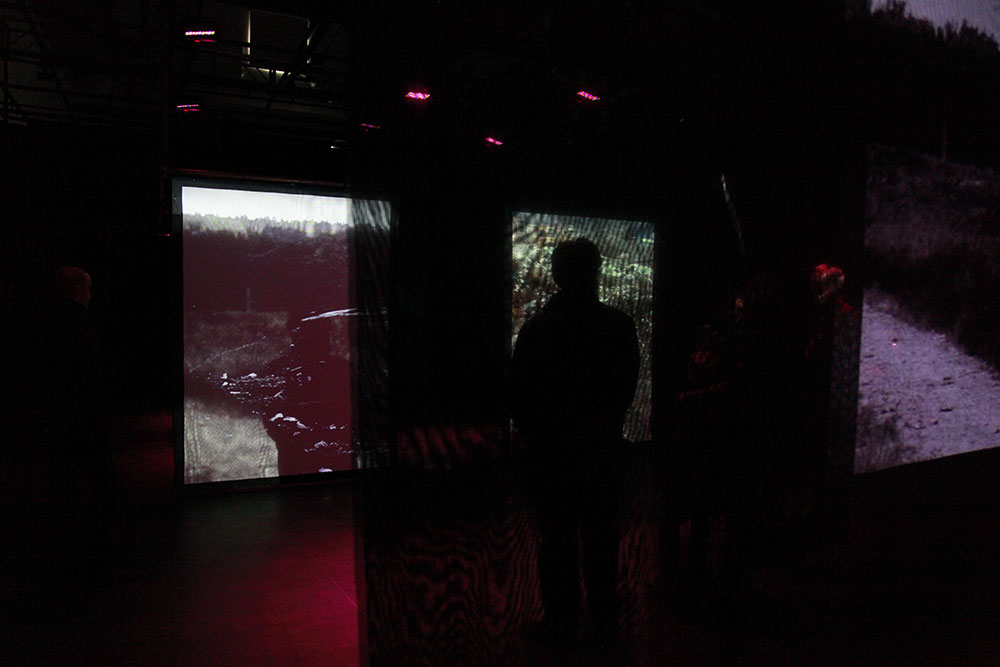
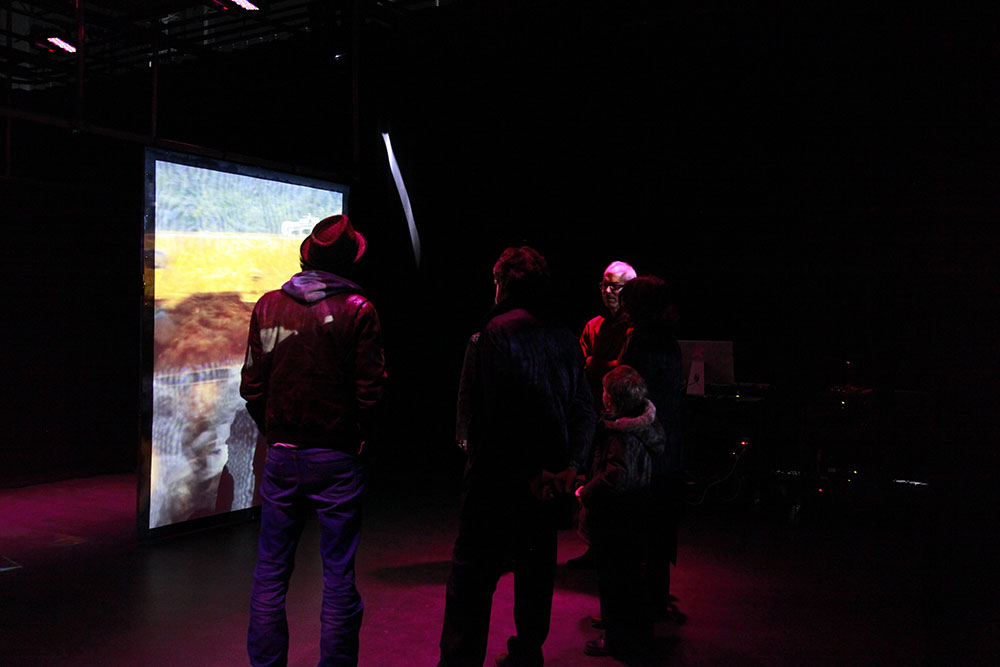
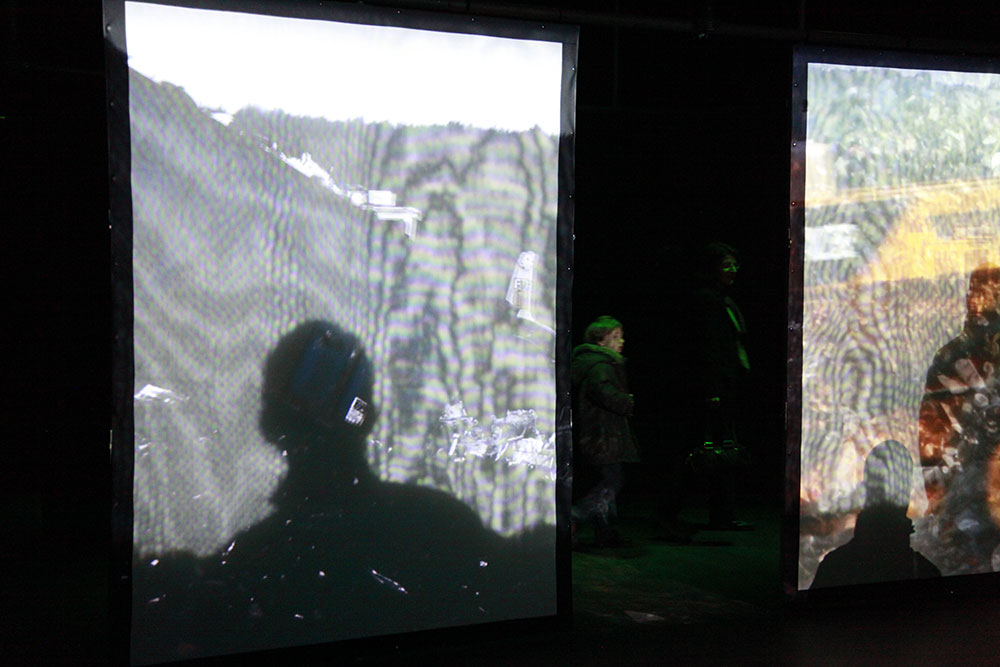
  • Forces et milieux (2011)

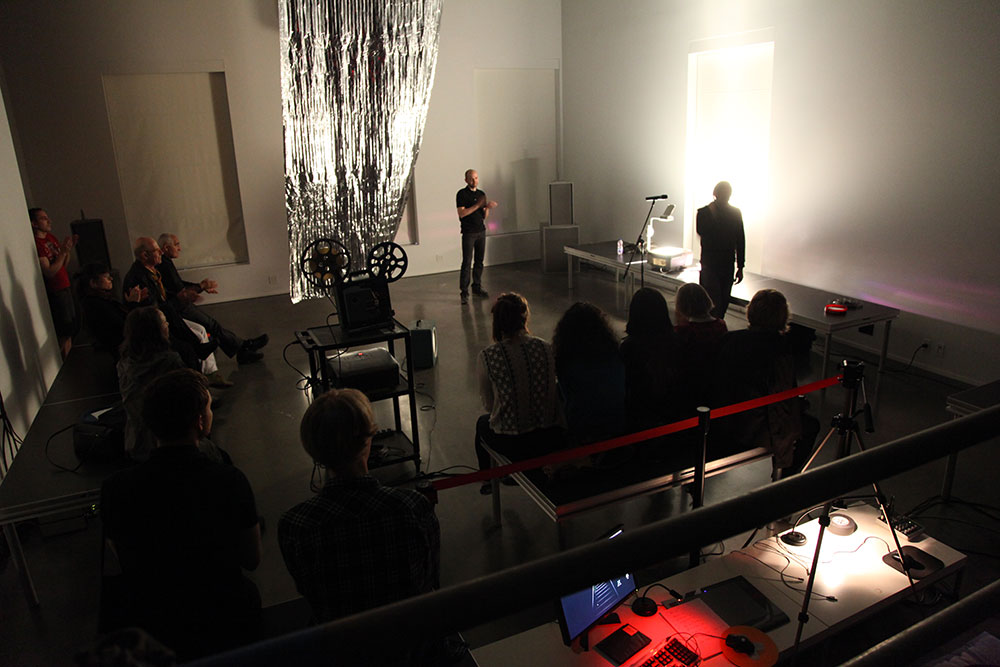
    Installation performative

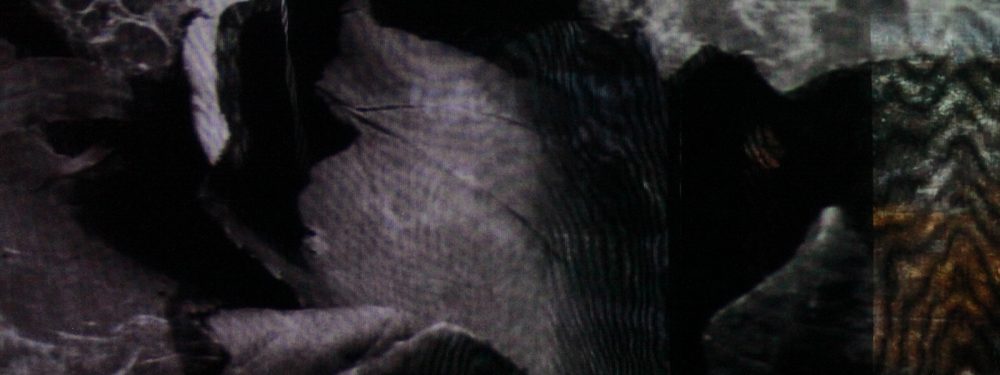
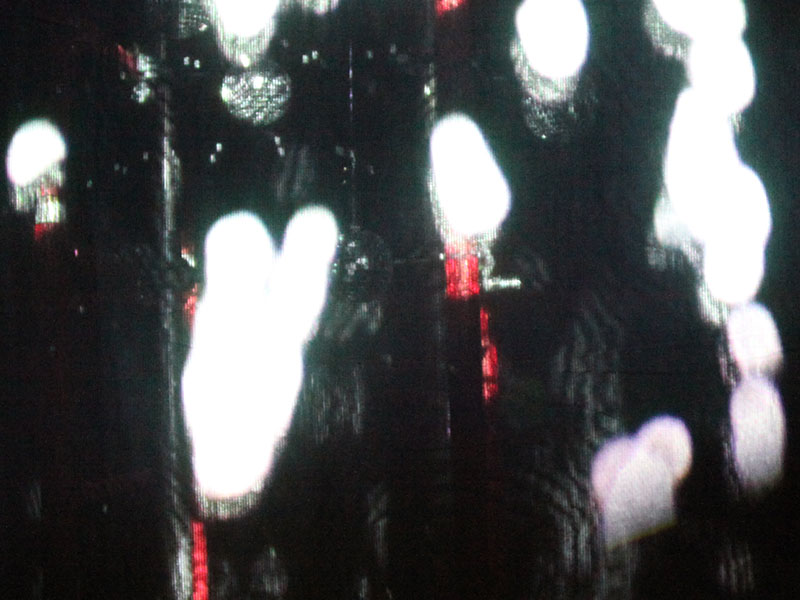
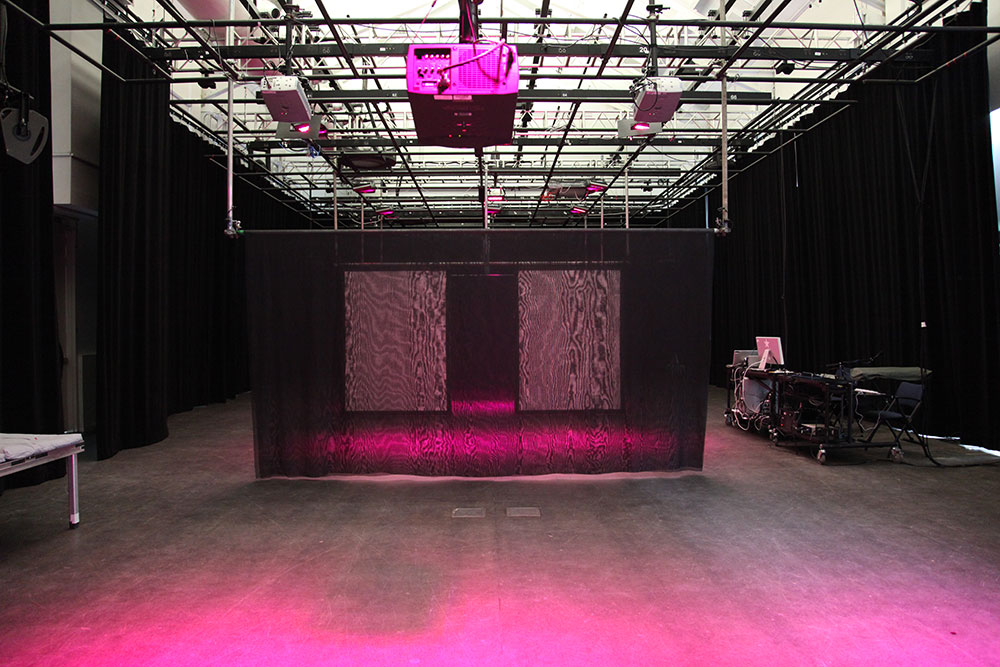
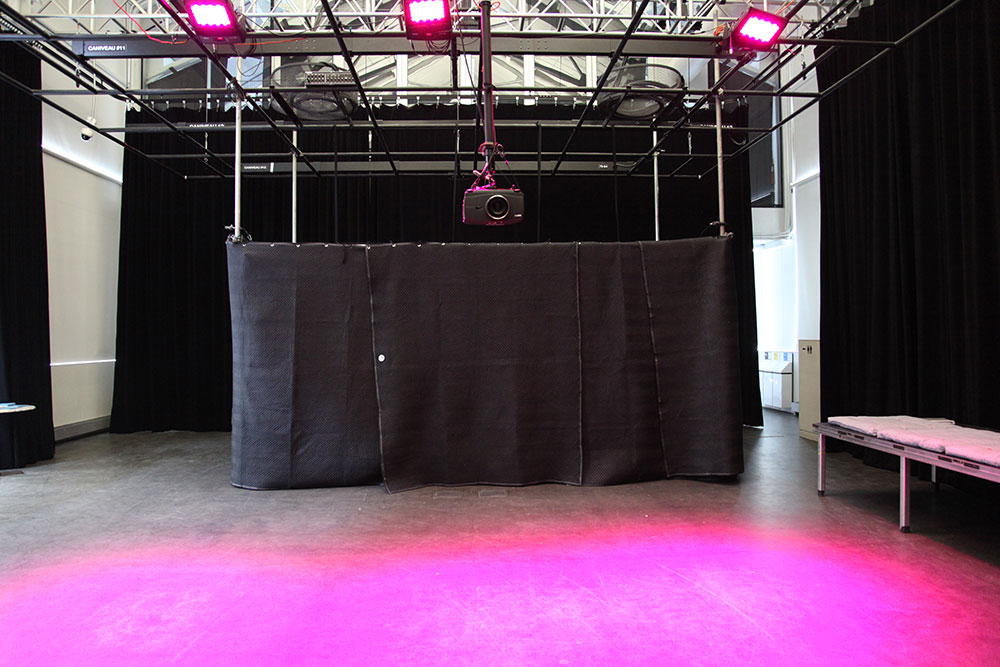
    Le rapport à la composition de l’image vidéo en direct se poursuit dans ce nouveau projet sur les opérations du lieu d’enfouissement technique de déchets situé à Lachenaie, Québec. Seront tracées « des manières d’être dans des rapports entre le visible et l’invisible » (Rancière) par une fragmentation visuelle éphémère qui réfléchit aux stratifications entre objets déchus, actions humaines et milieux physiques.

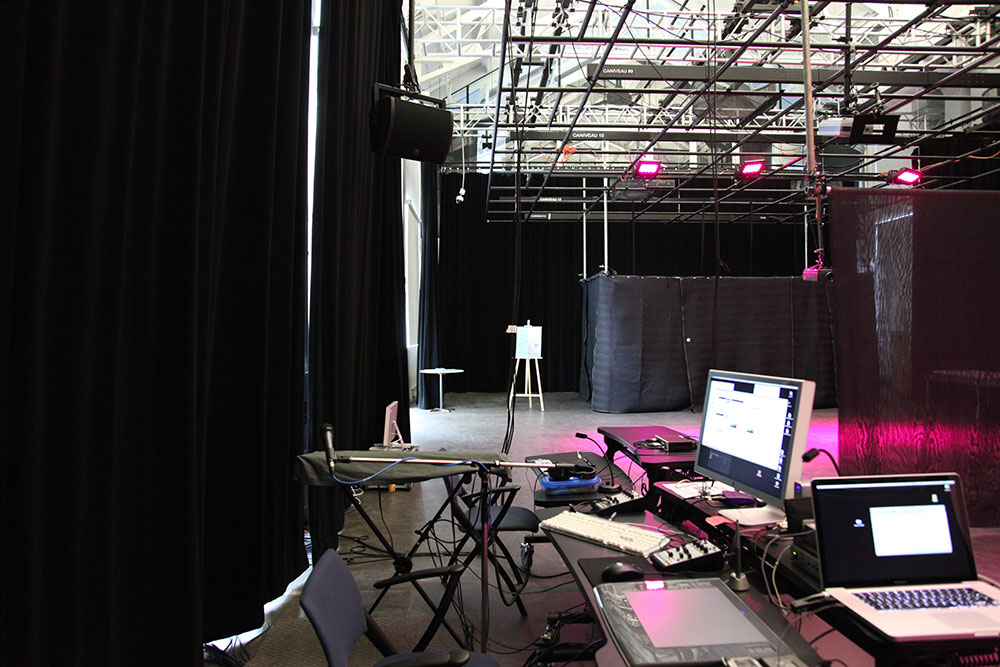
    Le dessin réagence des plans dans un espace avec écrans multiples, systèmes lumineux varichrome et varilite, et une variété de dispositifs de son immersif. Le stylet, la tablette graphique et le son activent la relation avec les milieux qui informent l’opération de transformation du déchet.

    Crédits
    Collaborateurs : Jim Bell, Nancy Bussières, Philippe-Aubert Gauthier.
    Appui à la production : Catherine Béliveau, Natalie Lafortune, Laurent Lamarche, Keith McMullen, Martin Pelletier, Jacques Perron.
    Appui à la recherche : Gabriel L. Savage
    Accueil: Geneviève Godin, Geneviève Trudel, Catherine Lescarbeau
    Soutien technique : Hexagram-UQAM

    vendredi 28 octobre et samedi 29 octobre 2011 : 16h à 20h
    Performances aux demi-heures
    Agora Hydro-Québec du Coeur des Sciences de l’UQAM
    175, avenue du Président-Kennedy
(Métro Place-des-Arts)
    Entrée libre

    Présentée dans le cadre de la série d’événements Marqueurs de subduction organisée par le Grupmuv en octobre et novembre 2011 à Montréal

    Stéphane Claude remercie le Conseil des arts du Canada et le Conseil des arts et des lettres du Québec.
 Gisèle Trudel remercie le FQRSC, le Programme d’aide financière à la recherche-création de l’UQAM et BFI-Lachenaie.
    Photos : Catherine Béliveau et Gisèle Trudel.

  • Fukushima mes amours (2011)

    animation de particules 3D
    1 minute 03 secondes
    2011

    À toutes les formes vivantes qui ont disparu depuis le 11 mars 2011.
    À leur souvenir qui se transformera aussi.

    Marqueurs de subduction
    Exposition collective internationale avec
    Ælab, Michel Boulanger, Thomas Corriveau, Katja Davar, Andrée-Anne Dupuis Bourret et Florian Wüst

    Le dessin en mouvement s’inscrit dans cette exposition en tant qu’indice d’un phénomène souterrain et puissant, révélant de manière singulière ce que les activités humaines transforment dans le paysage.
 À l’image de ces frictions et collisions qui bouleversent la croûte terrestre, ces marqueurs nous interpellent au niveau de la relation de l’humain avec son environnement naturel.

    Organisée par le Grupmuv, laboratoire de recherche-création en dessin et image en mouvemant
    15 octobre au 19 novembre 2011
    Galerie B-312
    372, rue Sainte-Catherine Ouest, espace 403, Montréal
    Mardi au samedi 12h – 17h
    www.galerieb-312.qc.ca

    Avec l’appui du Fonds québécois de recherche sur la société et la culture (FRQSC)

  • l’espace du milieu (2011)

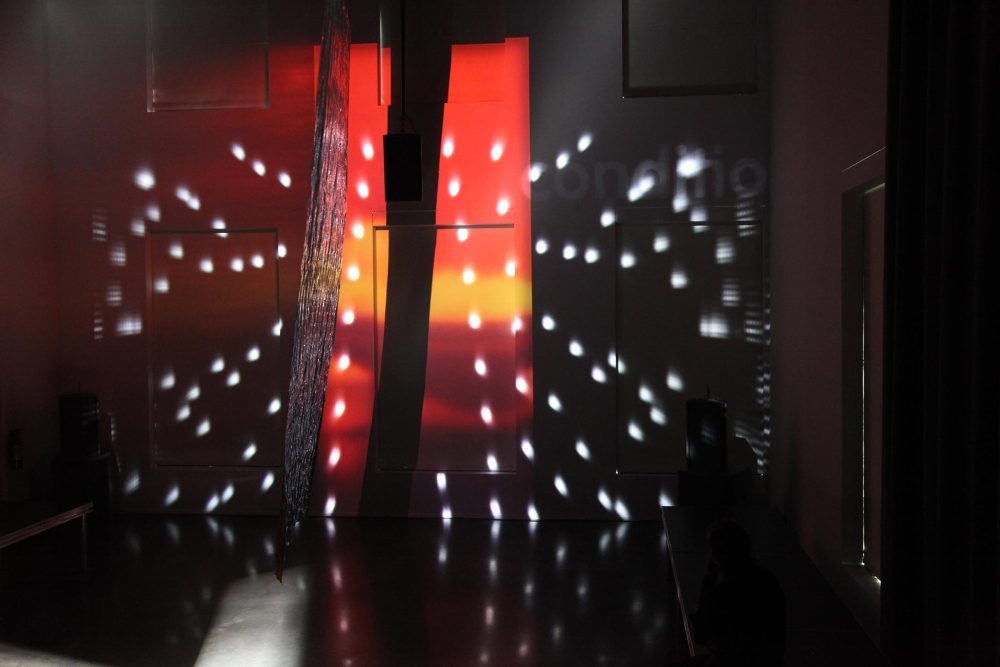
    Permutational installation and night projection

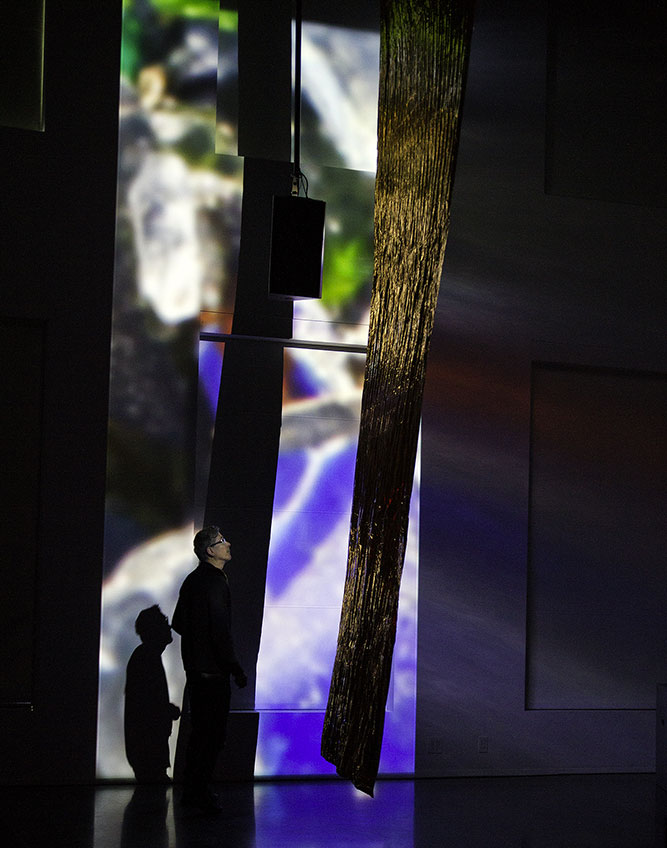
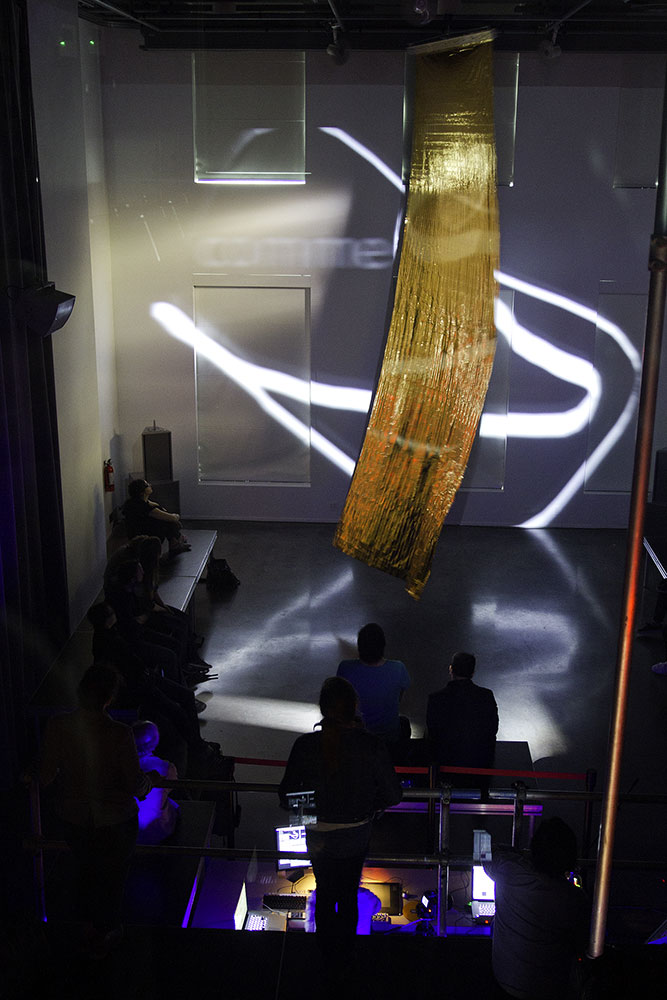
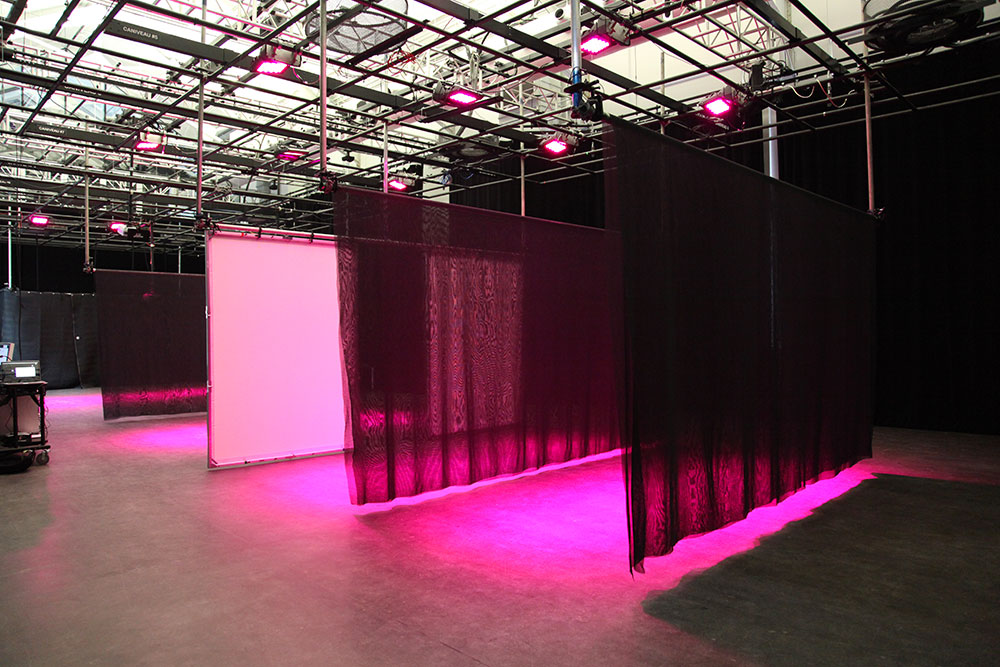
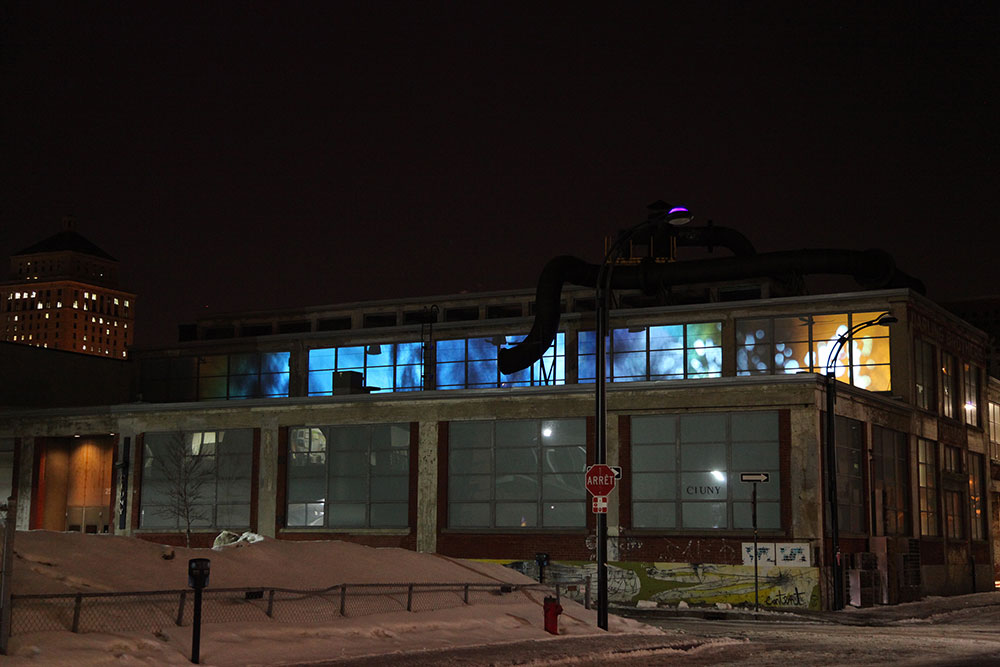
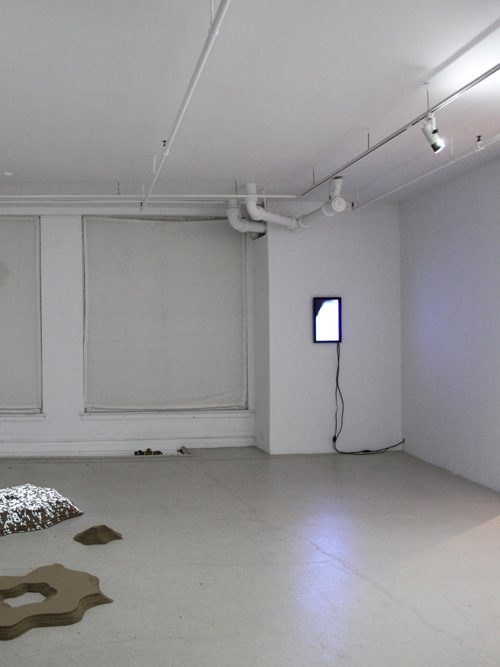
    L’espace du milieu explores the reflexive emanations of the middle zone which supports life, between earth and sky. The middle (or centre or interval) operates multiples changes with what surrounds it.
    There also accumulates greenhouse gases, ionospheric manipulations of the weather, chemical and bacterial aerosols. The work is experiential, inflecting the vibrational activity of middle spaces, which include and exceed humans.

    Credits and thank you
    Jim Bell, Nancy Bussières, Philippe-Aubert Gauthier, Florian Grond, Laurent Lamarche, Simon Rolland, Daniel Courville, Natalie Lafortune, Catherine Lamontagne-Drolet, Keith McMullen, Christian Miron and Martin Pelletier.
    With the support of Hexagram-UQAM, Grupmuv and OBORO.

    Presented at the Darling Foundry
    Montreal
    In situ project in 3 parts
    February 16 – April 10, 2011
    Part 1 : production residency in the small gallery, February 16 to March 9.
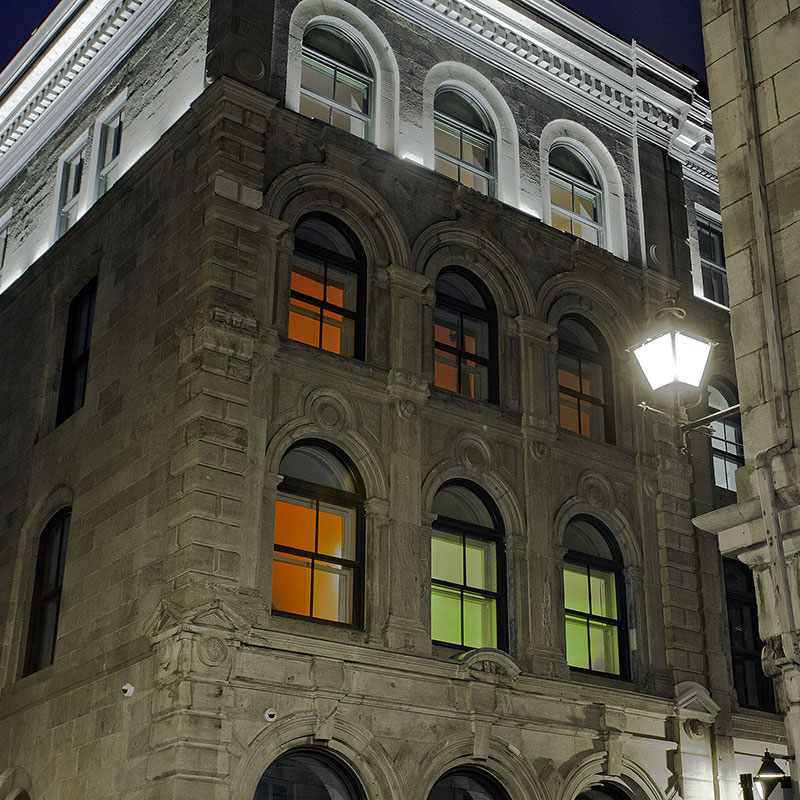
    Part 2 : multiprojection at night on the transluscent windows on Prince Street.
    February 26 to March 5, 6pm to midnight.
    Launched during Nuit Blanche, February 26, 5pm to 5am.
    Part 3 : installation in the small gallery, March 11 to April 10.
    Opening March 10.
    Artist talk April 7.

    Project produced with the financial assistance of the Canada Council for the Arts, the Conseil des arts et des lettres du Québec, the Programme d’aide financière à la recherche-création de l’UQAM (PAFARC) and the Fonds de recherche québécois société et culture (FQRSC).

    Photos : Guy L’Heureux, Jacques Perron et Gisèle Trudel

  • interfacing (2010)

    programme lumineux chromatique varié
    Visible 7 jours sur 7, de 19h00 à 05h00
    juillet – 31 octobre 2010

    La lumière passe très lentement de la couleur rouge à bleu, pendant une durée de 10 heures.

    Andrew Forster, commissaire
    L’endroit indiqué
    230, rue Marie-Anne est (au coin de la rue Laval)

    Merci à Atelier Big City Architectes et Hexagram-UQAM.
    Assistant de production : Simon Rolland.

  • lorsque (2010)

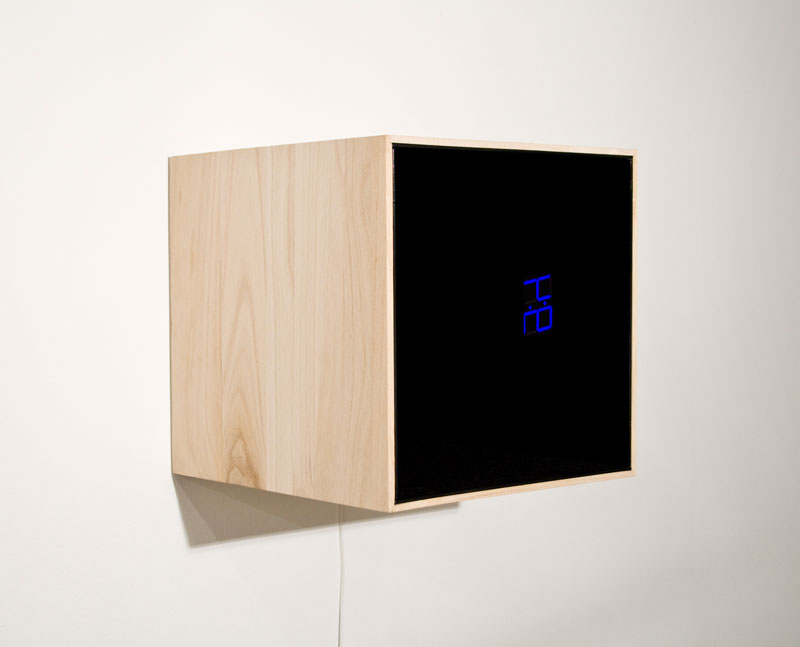
    : Lorsque mes parties extensibles se joignent aux tiennes
    Sculpture lumineuse
    2010
    exposition collective Expansion, Galerie de l’UQAM
    26 février – 27 mars 2010
    Louise Déry et Audrey Genois, commissaires

    Boite en bois, plexiglas, composantes électroniques, alimentation électrique.

    Fabrication de la boite : Laurent Lamarche
    Photos : L.-P. Côté

  • these machines have the ability to self-organize (2009)

    Documentary, 12 min, color, stereo
    Original English version with French subtitles

    This documentary is a small sampling about the life work of biologist Dr. John Todd (recipient of the 2008 Buckminster Fuller Challenge Award) and the ecoactivist writer Nancy Jack Todd.

    It is part of the process-oriented cycle of microevents entitled
    light sweet cold dark crude LSCDC (2006-ongoing) that includes  immersive sound, moving image, drawing and light that is informed by the transformations of waste water in various states of composition, decomposition and recomposition.

    Credits
    Documentary segment, interviews with Nancy Jack Todd and John Todd
    Jacques Perron _interview camera (video, photo)
    Stéphane Claude_interview sound
    Gisèle Trudel _interview, editing

    Catherine Béliveau _English transcription
    Jacques Perron _French translation

    Presented in
    Berlin, Germany (2009)
    Montreal (2009 and 2010)
    Govett-Brewster Gallery, New Plymouth, New Zealand (2011)
    EcoBio Festival, Prague, Czech Republic (2011)

    Produced with the financial assistance of the Canada Council for the Arts, Media Arts 
and PAFARC-UQAM (Programme d’aide financière à la recherche et à la création de l’Université du Québec à Montréal).