Nous avons l’honneur de passer trois mois en résidence (septembre à décembre 2025) au magnifique Domaine Pruche en bec, situé dans la région de Lanaudière, Québec.
Catégorie : residency
-
résidence Km3 (2025)
Transporter un petit nombre de traits pertinents
Yanik Potvin, Susan Turcot et Gisèle Trudel
Résidence de recherche-création à KM3, Centre Bang, Saguenay, QuébecLe centre Bang soutien le travail de l’artiste-chercheur Yanik Potvin depuis quelques années déjà. Dans le cadre de ce soutien, l’artiste a fait une résidence d’une semaine à Km3 en compagnie de ses collaboratrices Susan Turcot et Gisèle Trudel.
Lors de cette résidence, les trois artistes ont travaillé sur des propositions pour dessin élargi en territoire forestier.
Voici le texte qui conclut la résidence:Jumeler les approches
Vers une granulométrie fine à moyenne, terre grasse et charbonneuse
Sable gris cendré à brun ferrugineux, à brun foncé, jaune et vert
Dessiner entre les choses pour distiller notre distance entre la forêt et ce qui est appris
Nous inclure dans la relation
Se mettre en activité pour déplacer la position de la personne qui observe construisant une pratique
à une pratique qui participe à cette construction
Évitant ainsi de représenter par un ruissellement
Tantôt écriture et tantôt signes
Ouvrir un lieu commun de rencontres dynamiques
À l’instar des sentiers des orignaux que nous suivons
De la buvette au creux de la roche-mère
Et des geais bleus qui traversent la ligne d’horizon
De la corde rose tendue entre deux pins gris
-
cahier 06 (2023)
Le Cahier 06 de la Fondation Grantham pour l’art et l’environnement est publié!
Il traite de la démarche artistique de Ælab et de la Chaire MÉDIANE.
Avec les textes des citoyennes Denise Pérusse et Monique Régimbald-Zeiber, de l’ingénieur forestier Christoforos Pappas et de l’architecte Juliette Pernin.
Introduction par Josianne Poirier.
Design graphique par Émilie Lévesque et Louise Paradis.
Les deux photos: Caroline Pierret
ENG
The Cahier 06 of the Grantham Foundation for Art and the Environment is now published. It focuses on the art production of Ælab and the MEDIANE Chair.
With texts by citizens Denise Pérusse and Monique Régimbald-Zeiber, forest engineer Christoforos Pappas and architect Juliette Pernin.
Introduction by Josianne Poirier.
Graphic design by Émilie Lévesque and Louise Paradis. -
devenir-hêtre (2023)
« Devenir-Hêtre » une exposition-laboratoire in situ présentée à la Fondation Grantham pour l’art et l’environnement, incluant une série d’activités complémentaires avec invité•es.
du 11 mai au 28 mai 2023
du mercredi au dimanche
11 h à 17 h
Entrée libre
Vernissage
le samedi 13 mai, 14 h 30 à 17 hLieu : Fondation Grantham pour l’art et l’environnement
1411, rue Blanchard
Saint-Edmond-de-Grantham
(Québec) J0C 1K0La Fondation Grantham pour l’art et l’environnement crée une alliance unique avec MÉDIANE, la Chaire de recherche du Canada en arts, écotechnologies de pratique et changements climatiques, afin de présenter pour la toute première fois l’exposition-laboratoire Devenir-Hêtre, réalisée par la cellule de recherche artistique Ælab et les équipes.
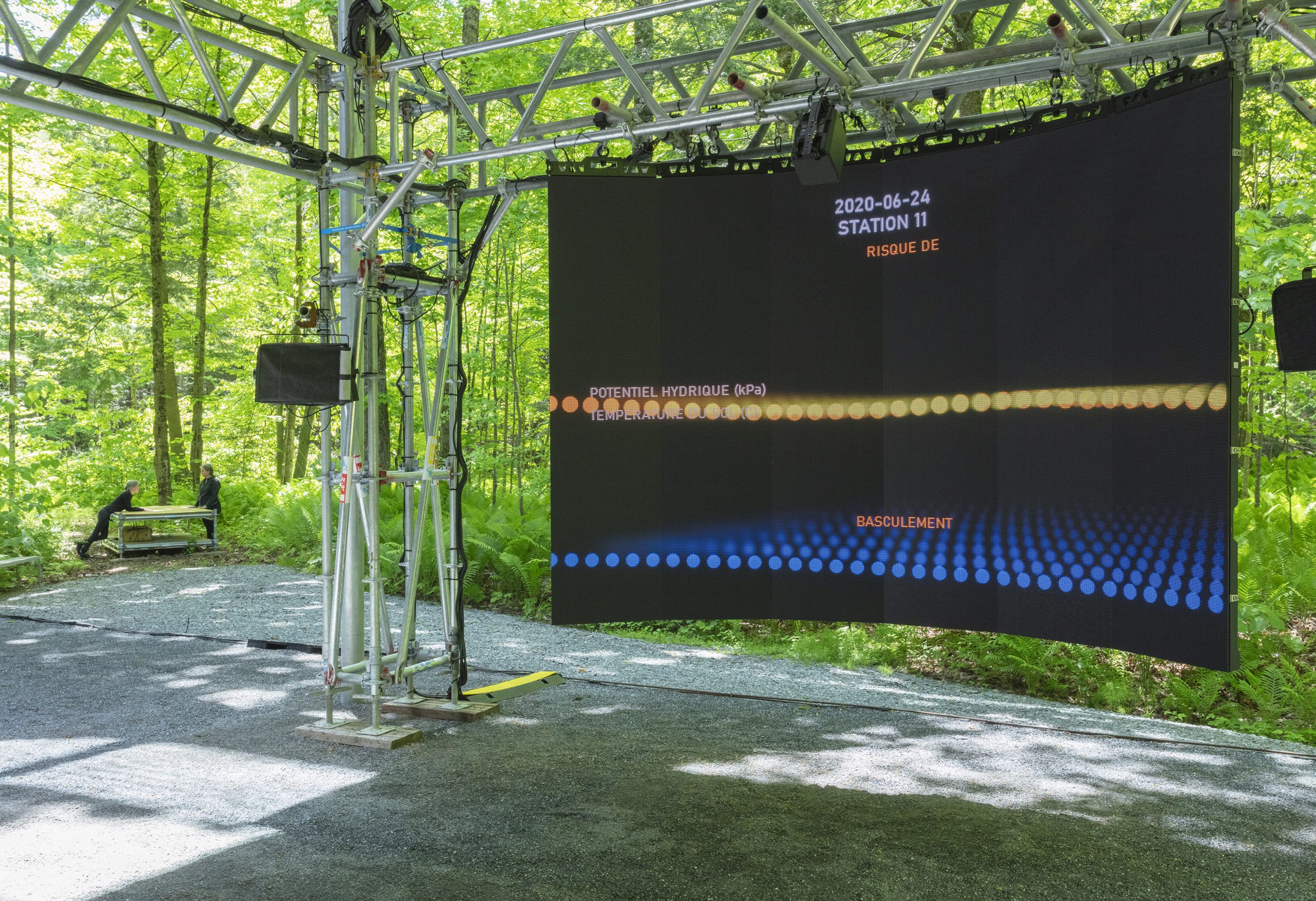
La troisième itération in situ de l’installation annuelle de la Chaire MÉDIANE, une collaboration continue avec Smartforests Canada, aura lieu en forêt. Cette fois, l’accent est porté sur la visualisation de périodes de sécheresse du hêtre. En situation de climats changeants, quels sont les effets du manque d’eau sur cet arbre?
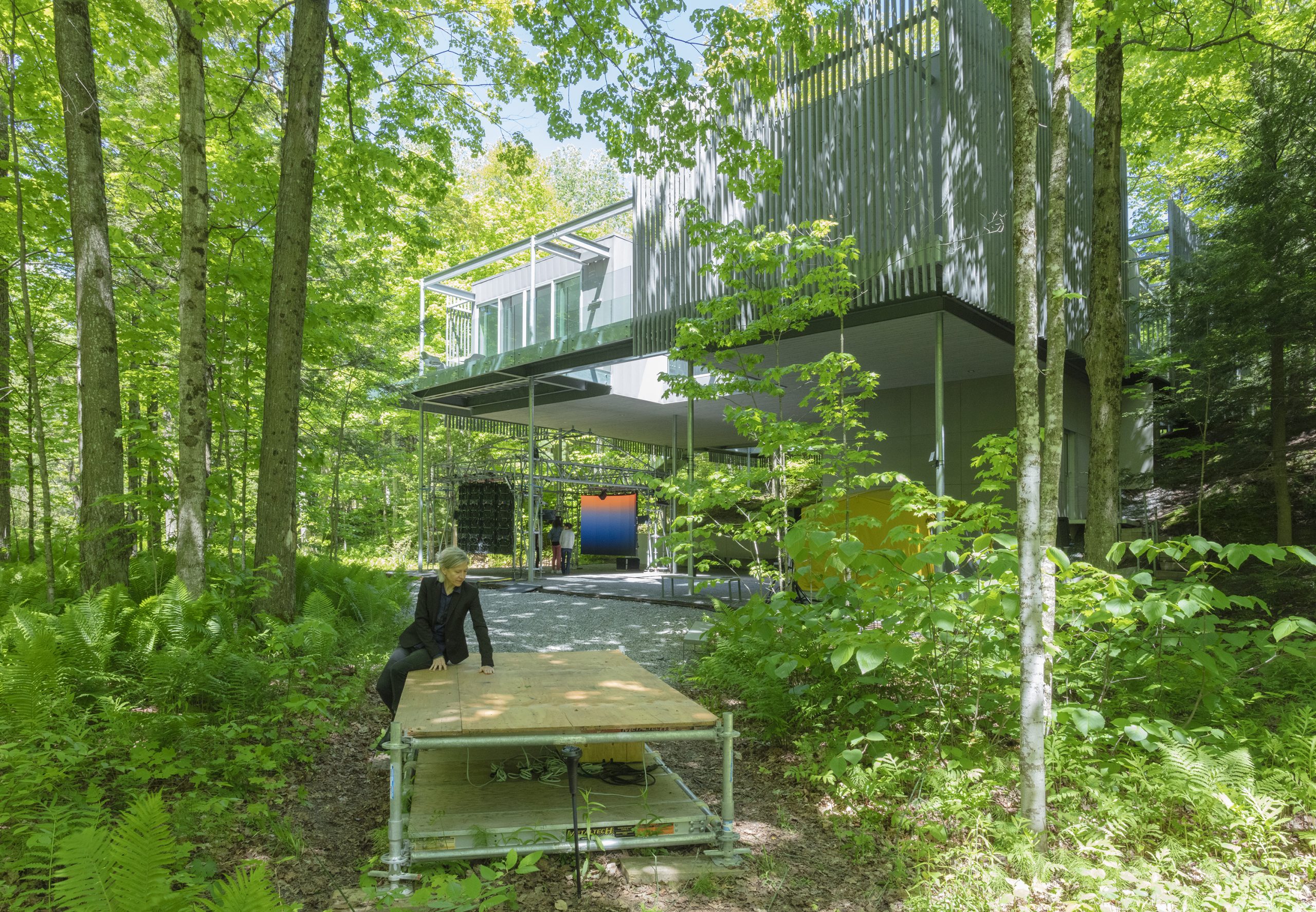
Grâce à une collaboration avec Blandine Courcot (scientifique, DOT-Lab, Université TÉLUQ) et Marc-André Cossette (artiste et candidat au doctorat, Université Concordia), les compositions de variations chiffrées en couleurs, formes, lignes et particules expriment les forces et les seuils de l’arbre et de son milieu. Dans un rapprochement artistique avec l’essence d’arbre Fagus grandifolia, l’oeuvre audiovisuelle est présentée à l’extérieur dans une structure d’échafaudages, un chantier ouvert au dialogue entre collectivités.
Pendant l’exposition-laboratoire, Ælab résidera à la Fondation Grantham pour poursuivre son travail d’expérimentation artistique. Le duo sera présent pour des échanges informels pendant les visites des publics. Les publics pourront participer sur une base volontaire à des entretiens semi-dirigés de courte durée concernant leur expérience de l’oeuvre.
Photos par Richard-Max Tremblay.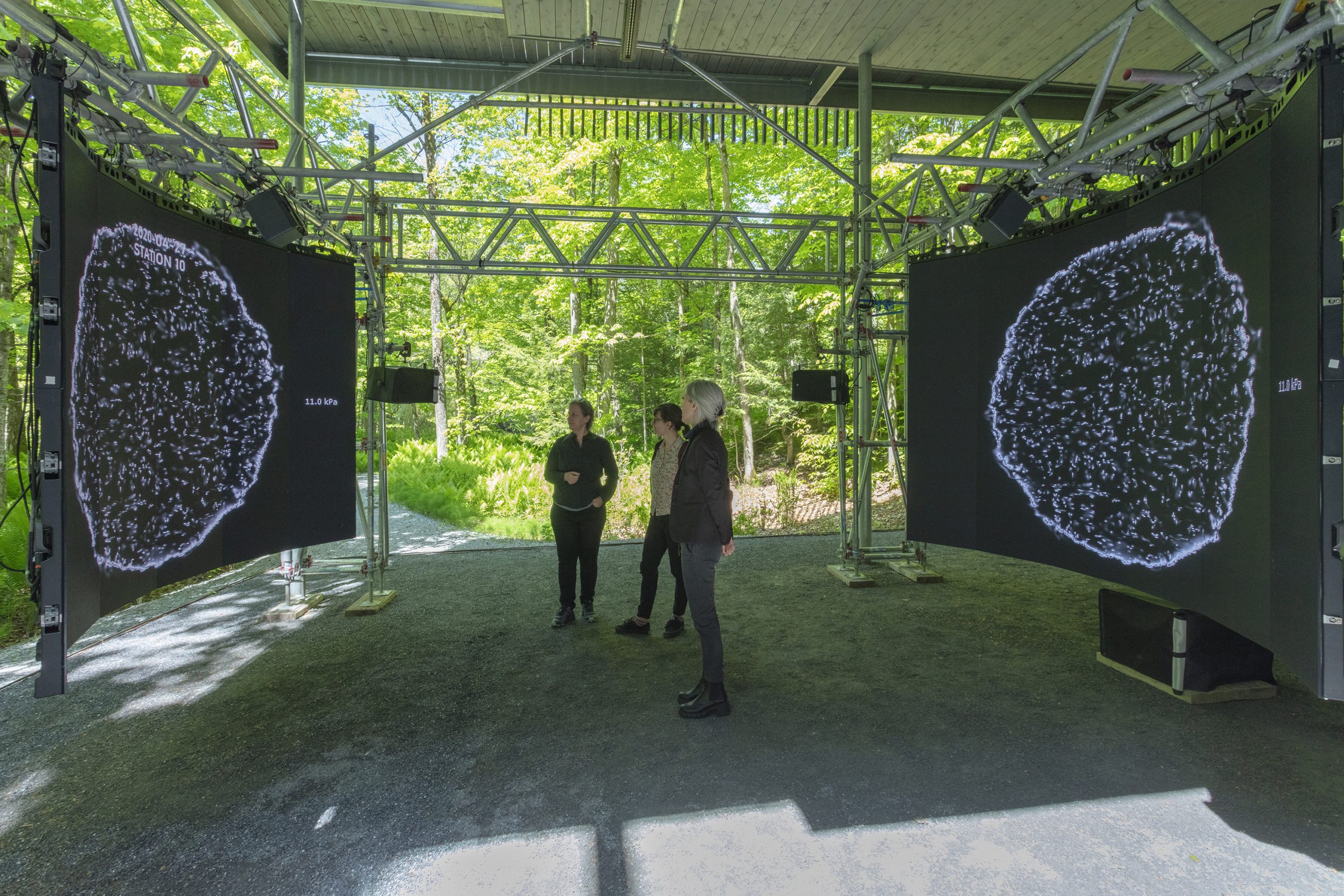
• deux lancements de publications :
le Cahier 06 de la Fondation Grantham (textes de Denise Pérusse et Monique Régimbald-Zeiber, de Christoforos Pappas et de Juliette Pernin; design graphique par Émilie Lévesque et Louise Paradis)
et la Cartographie 02 de MÉDIANE (texte de Simon Dansereau-Laberge ; design graphique par Alvaro ; photos par Caroline Pierret et Alexis Bellavance);• deux rencontres/discussions portant sur des projets arts/sciences, le premier avec Marc-André Cossette, Gisèle Trudel et Blandine Courcot, le deuxième est le Projet Manicouagan présenté par Éric Desmarais, Erwan Gavelle et Kanatakhatsus Meunier;
• l’atelier/conversation Pheno-visioning with birch avec Susan Turcot;
• deux performances sonores avec Stephanie Castonguay, Mimi et Stéphane Claude.
De plus, la Station climatique mobile, une micro-installation nomade de MÉDIANE, fera des escales avec une équipe à vélo dans l’espace public de Drummondville au mois de juin.Voir le calendrier complet des activités.
Pour réserver une plage horaire de visite, rendez-vous sur la plateforme Eventbrite.
À propos de MÉDIANE, Ælab, Smartforests et DOT-Lab
MÉDIANE, la Chaire de recherche du Canada en arts, écotechnologies de pratique et changements climatiques est portée par Gisèle Trudel et les équipes qui travaillent activement à créer un dialogue entre les données scientifiques portant sur les dynamiques de la forêt, les arts technologiques et les expériences des publics. Cela a pour objectif de favoriser la circulation d’idées et d’actions créatives relatives aux climats changeants.
Gisèle Trudel, professeure à l’École des arts visuels et médiatiques de l’UQAM et membre chercheuse de Hexagram, fonde avec Stéphane Claude la cellule de recherche artistique Ælab en 1996. Stéphane Claude est compositeur, ingénieur du son, consultant spécialisé indépendant et chercheur responsable de l’aire audio du centre d’artistes OBORO. Leur pratique en documentaire expérimental réunit médias analogiques/numériques et engagement collectif. Conférences, performances et expositions sont présentées régulièrement à Montréal et ailleurs.
Le duo était lauréat du Prix de la création de la Fondation Grantham en 2022. (aelab.com)Piloté à l’UQAM par l’écologiste forestier et professeur du Département des sciences biologiques Daniel Kneeshaw, le réseau scientifique pancanadien Smartforestsdocumente les variations climatiques des eaux, des sols et des forêts au pays.
Professeur, scientifique et membre chercheur de Smartforests, Nicolas Bélanger dirige le DOT-Lab. Ce laboratoire sur la science des données de l’Université TÉLUQ est formé de chercheurs dont les activités de recherche s’unissent autour du développement et de l’utilisation d’outils propres à la science des données.Soutien financier
Le Conseil de recherches en sciences humaines du Canada (CRSH), la Fondation canadienne pour l’innovation (FCI), le Fonds de recherche du Québec – Société et culture (FRQSC), Hexagram-UQAM, Smartforests Canada et DOT-Lab (Université TÉLUQ).ENGLISH
From May 11 to 28, 2023, the Fondation Grantham pour l’art et l’environnement is creating a unique alliance with MEDIANE, the Canada Research Chair in Arts, Ecotechnologies of Practice and Climate Change, to present for the very first time the exhibition-laboratory Devenir-Hêtre, by the artist research unit Ælab and teams.
The third in situ iteration of the annual installation of MEDIANE, an ongoing collaboration with Smartforests Canada, will take place in a forest. This time, the focus is on visualizing drought periods of the beech tree. In changing climates, what are the effects of lack of water on this tree?
Thanks to a collaboration with Blandine Courcot (scientist, DOT-Lab, TÉLUQ University) and Marc-André Cossette (artist and doctoral candidate, Concordia University), the compositions made with numbers are variations in colors, shapes, lines and particles that express the forces and the thresholds of the tree and its environment. In an artistic connection with the tree essence of Fagus grandifolia, the audiovisual work is presented outside in a scaffolding structure, a site open to construct dialogues between collectivities.
During the exhibition-laboratory, Ælab will reside at the Grantham Foundation to continue to work on their artistic experimentation. The duo will be present for informal exchanges during public visits. Visitors will be able to participate on a voluntary basis in short semi-directed interviews concerning their experience of the artwork.
A series of free complementary activities with guests will be held in parallel:
– two publication launches: Cahier 06 from the Grantham Foundation with texts by Denise Pérusse and Monique Régimbald-Zeiber, Christoforos Pappas, and Juliette Pernin as well as Cartography 02 from MÉDIANE with a literary creation by Simon Dansereau-Laberge;
– two meetings/discussions about art/science projects:
the first with Marc-André Cossette, Blandine Courcot and Gisèle Trudel,
the second is the Projet Manicouagan presented by
Éric Desmarais, Erwan Gavelle and Kanatakhatsus Meunier;– the workshop/conversation Pheno-visioning with birch with Susan Turcot;
– and finally, two sound performances with Stephanie Castonguay, Mimi and Stéphane Claude.
Furthermore, the Mobile Climate Station, a nomadic micro-installation of MEDIANE, will make stops with a bike team in public space of Drummondville in June.
See the full schedule of upcoming activities.
To book a visit, go to the Eventbrite platform starting on April 18.Additional Information
Biographies
Ælab is the artistic research unit co-founded by Gisèle Trudel and Stéphane Claude in 1996 who practice experimental documentary. She is an artist, professor at the École des arts visuels et médiatiques, UQAM, and MÉDIANE Chair (2020-2025). He is a composer, sound engineer and head audio researcher at OBORO. The duo were laureates of the Foundation’s Creation Prize in 2022.
aelab.com
mediane.uqam.ca
@medianeforestsensing
hexagram.caMEDIANE would like to thank all the students and professionals of its team as well as professor and scientist Nicolas Bélanger, director of the DOT-Lab and co-investigator of Smartforests Canada.
Dot-lab.teluq.ca
smartforest.uqam.caFinancial and logistical support
Social Sciences and Humanities Research Council of Canada (SSHRC), Canada Foundation for Innovation (CFI), Fonds de recherche du Québec – Société et culture (FRQSC), DOT-Lab, Smartforests Canada and Hexagram-UQAM.
The Foundation thanks the Conseil des arts et des lettres du Québec (CALQ), the MRC of Drummond and the Mouvement Desjardins for their support.
All activities are free.
Located at 1411, rue Blanchard in Saint-Edmond-de-Grantham, the Foundation is open Wednesday to Sunday, from 11 a.m. to 5 p.m.
The Foundation Grantham pour l’art et l’environnement would like to acknowledge that it is located on the unceded ancestral territory of the W8banaki Nation, the Ndakina. The W8banakiak (Abenakis) are among the eleven First Nations of Quebec. The Foundation pays tribute to the W8banaki Nation and is committed to promoting the voice and values it has defended since time immemorial.Équipe /Team: Fagus grandifolia · Texte original et voix-off dans l’installation Susan Turcot · Aluminium · Ælab (Gisèle Trudel + Stéphane Claude) · Tuiles DEL/LEDTiles · Touch Designer Marc-André Cossette · Recherche et données du hêtre/Research and beech data Blandine Courcot · Images microscopiques du hêtre/Microscopic images of beech Cornell University Plant Anatomy Collection (cupac.bh.cornell.edu) · Attaches/Fasteners · Batteries · Haut-parleurs/Speakers · Direction technique et Agencement métal (Station climatique mobile) /Technicaldirection and metal assemblage (Mobile Climate Station) Antoine Caron · Plans 3D et rendusarchitecturaux/3D plans and architectural renderings Kévin Pinvidic · Température/Temperature · Boulons/Bolts · Caoutchouc/Rubber · Chambres à air/Air chambers · Électricity/Electricity · Senseurs météo (mise à jour)/Weather sensors (update) Josée Brouillard · Code Natalia Balska · Ordinateurs/Computers · Unité énergétique mobile/Mobile energy unit · Structures d’échafaudages/Scaffolding structures Nicolas Paulette · Chronophotographies du hêtre en 2020/Timelapse photographs of beech tree in 2020 Station biologique des Laurentides · Capteurs de la température du sol/Soil temperature sensors · Conseiller aux publications/Publications consultant Jacques Perron · Bois/Wood · Caméras/Cameras · Données du hêtre, gracieuseté du/Beech data, courtesy of DOT-Lab, Université TÉLUQ · Assistant∙e∙s de recherche, de production et de diffusion/Research, production and presentation assistants Alvaro Marinho, Maxence Lemire, Mélodie Claire Jetté, chantal t paris, Boris Pintado, Sébastien Huot, Élyse Brodeur-Magna, Nathalie Guilloux · Potentiel hydrique/Water potential · Cheeseboroughs · Soleil/Sun · Humidité/Humidity · Table tactile/Tactile table · Conseiller/Consultant Jean Dubois · Transducteurs/Transducers · Câblages/Wires · Internet · Eau/Water · Pluie/Rain · Nicolas Bélanger (DOT-Lab) · Daniel Kneeshaw (Smartforests) · Jason Pomrenski, Max Boutin (Hexagram-UQAM) · Camlock · Maison Lampron à St-Edmond-de-Grantham · Centre d’étude de la forêt UQAM · Photographes/Photographers Caroline Pierret, Richard-Max Tremblay · Amplificateur/Amplifier · Lecteur DC/CD player · Sol/Soil · Vent/Wind · Plastiques/Plastics · Roues/Wheels · Pneus/Tires · Collègue et collaboratrice/Colleague and collaborator Susan Turcot · Électronique/Electronics · Vis/Screws · Panneau solaire/Solar panel.
-
résidence Fondation Grantham (2022)
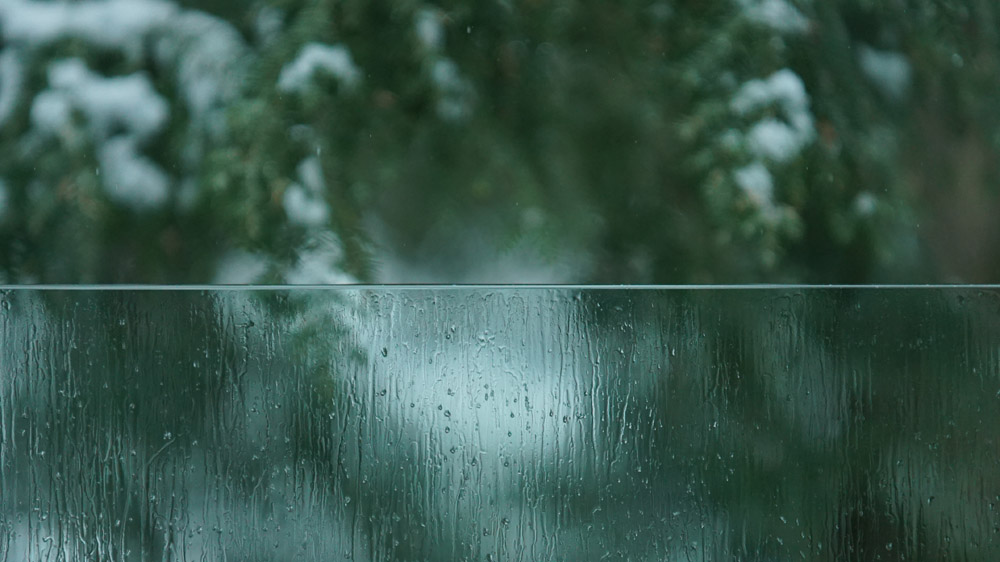
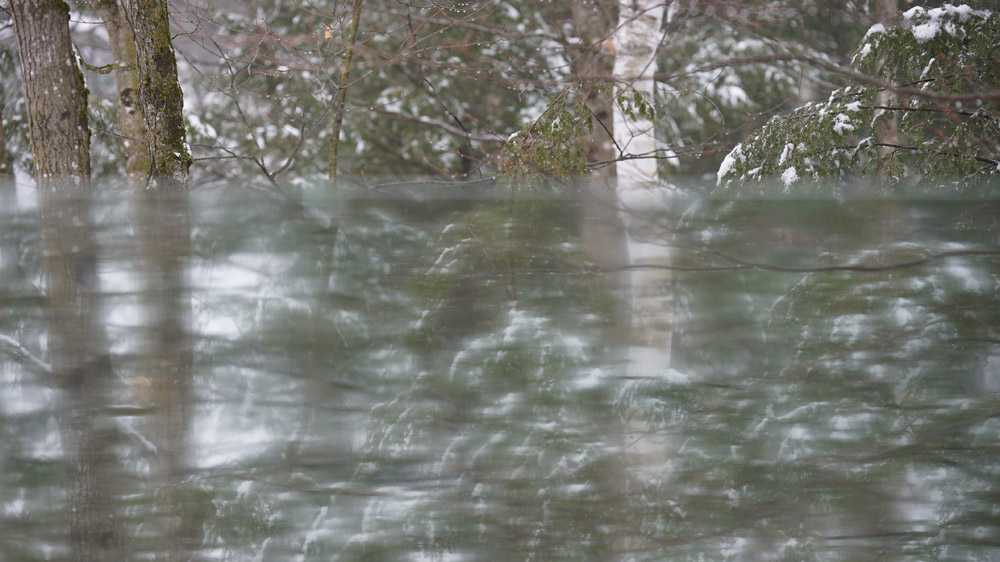
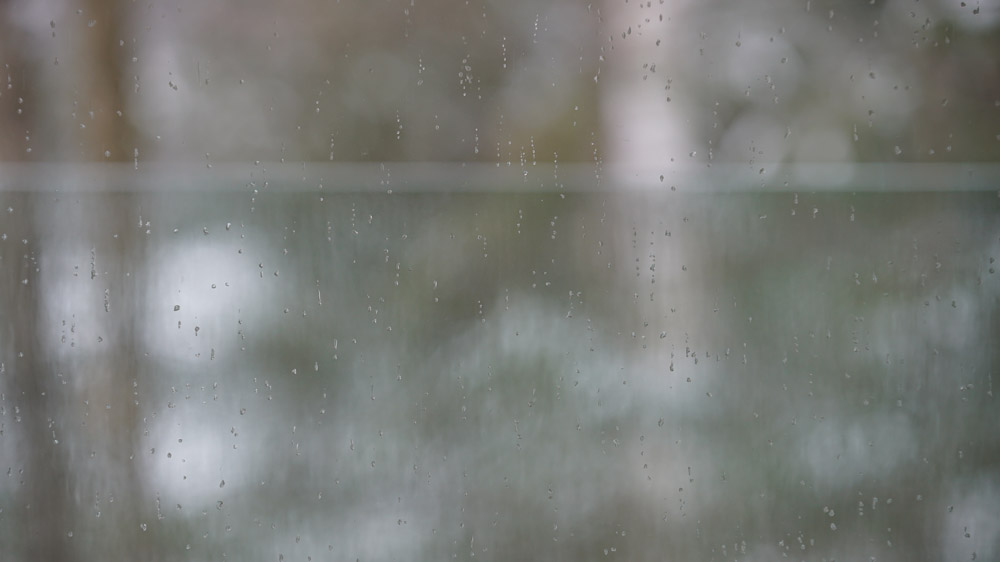
Récipiendaires du prix de la création 2022 de la Fondation, Gisèle Trudel et Stéphane Claude de la cellule de recherche artistique Ælab y séjournent pendant le mois de mars. Ælab est le noyau artistique de la Chaire MÉDIANE. Cette résidence participe à faire rayonner leurs préoccupations en creusant la question d’un ancrage et d’un engagement en région. Le milieu de vie proposé par la Fondation sert d’ailleurs de laboratoire pour entamer le processus réflexif et créatif de l’installation qui y sera présentée en 2023.
As recipients of the Foundation’s Grand Prize for Creation, Gisèle Trudel and Stéphane Claude (artist research unit Ælab) are in residency during the month of March. This is an occasion torenew their research-creation concerns with this location. The creative space offered by the Foundation acts as a laboratory to initiate the reflective and creative process for the installation to be presented on site in 2023.
https://www.fondationgrantham.org/fr/creation-laureats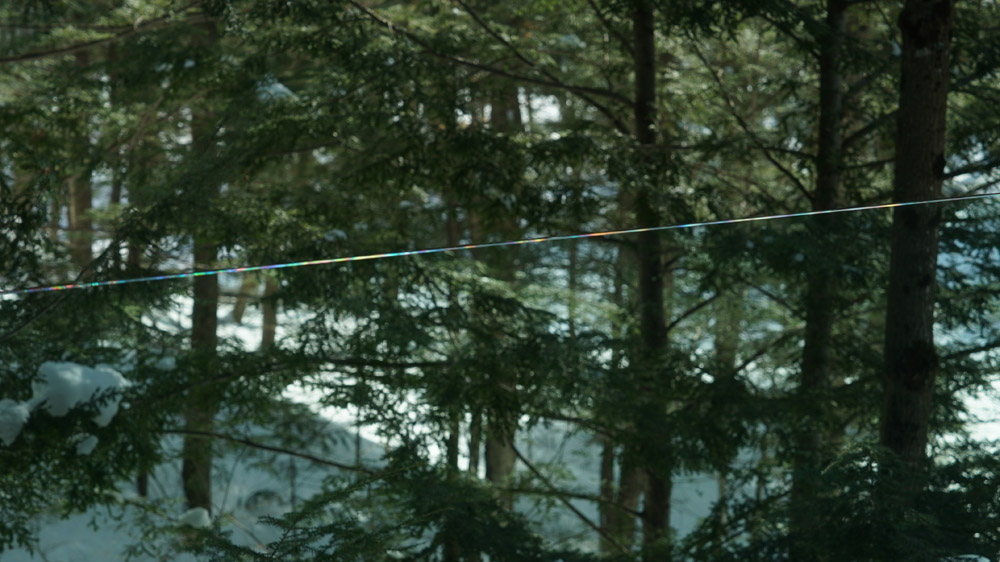
-
LSCDC Iight sweet cold dark crude (2006-2014)
LSCDC
À la maison Fontaine (raumlabor architectes)
Esplanade Clark, Montréal, 2014.
Cover photo : Catherine BéliveauLSCDC (light, sweet, cold, dark, crude)
Cycle of microevents, performative installation
(2006-2014)Process-oriented and informal in nature, the research and production of this work with immersive sound, moving image, drawing and light is informed by the realities of “gray waters” in various states of composition, decomposition and recomposition. The source material originates in the « Eco Machines » system, pioneered by biologist and ecologist Dr. John Todd situated situated at the rest area of Sharon, Vermont and the Station d’épuration des eaux usées, an industrial system for the city of Montreal. The project is extended with images and sounds from the deserts of southwestern USA.
The project finds its inspiration in the concept of the transduction as defined by French philosopher Gilbert Simondon (1928-1989), by which nature, information and technology co-evolve. The series was initially performed in an intimate setting, disrupting the greek root of the word ecology, eikos, which means « house ».
Credits
Text excerpts _Gilbert Simondon
Production
Catherine Béliveau _additional camera, EcoMachines, Sharon, Vermont and production assistance, Fountain House production assistance and documentation
Sophie Bellissent _initial production and research assistance
Roberto Di Giacomantonio _zafuton design and production
Nate Fredericks _bench flow data, Sharon, Vermont
Marc Lavallée _PureData DMX Varichrome LED programming
Florian Grond _MAX-MSP algorithmic ambisonic panner programming
Pier Lefebvre _projection apparatus
Jacques Perron _additional camera and documentation, Station d’épuration des eaux usées, Montréal
Jean-Marc Ratté, Sophie Voyer _Station d’épuration des eaux usées, Montréal
Shot on location at EcoMachines, Sharon, Vermont; Joshua Tree National Park, California; Station d’épuration des eaux usées, Montréal; Grand Canyon and Glen Canyon, Arizona.Presentation at Flevoland, Thinking with Water conference
JacquesPerron _documentation
Simon Rolland _production assistance
Sophie Bellissent, Nadia Seboussi _assistanceEquipment and software support from Hexagram-UQAM and Sennheiser Canada.
Presentations (in reverse chronological order)
Fountain House Esplanade Clark, Montréal, Oct 9-10-11, 2014
in collaboration with raumlabor (Berlin) and Goethe-Institut Montreal, Biennale de Montréal
EcoSapiens Residency, Fernery Room, Pukekura Park, Botanical Garden, New Plymouth, New Zealand Jan 2011
Thinking With Water Conference, Concordia University, Montreal, June 21 2010
Festival Temps d’Images Usine C, Montréal, 19-20-21 février 2009
Deep North, transmediale Haus der Kulturen der Welt, Berlin, Germany Jan 2009
Flevoland Montréal June 9, June 28, Aug 8 2008Produced with the financial assistance of the Canada Council for the Arts, Media Arts and PAFARC-UQAM (Programme d’aide financière à la recherche et à la création de l’Université du Québec à Montréal).
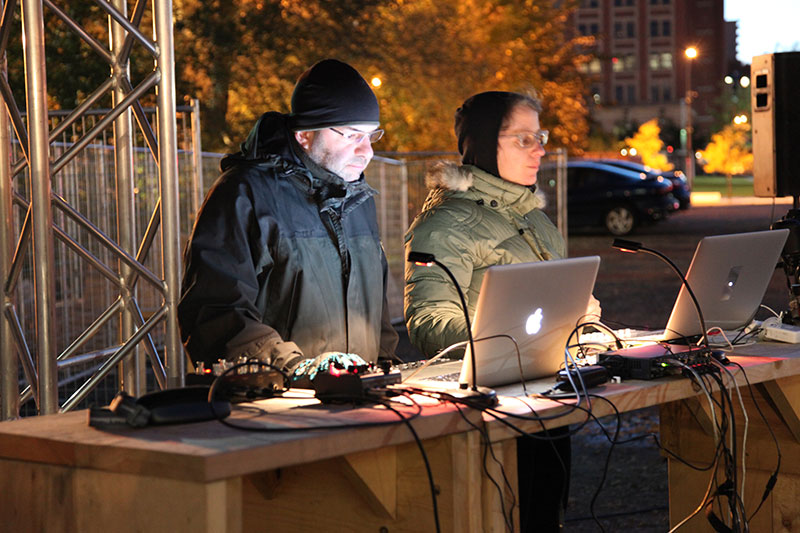
LSCDC à la maison Fontaine, octobre 2014, Montréal. Coproduction Goethe-Institut. Photo : Catherine Béliveau.
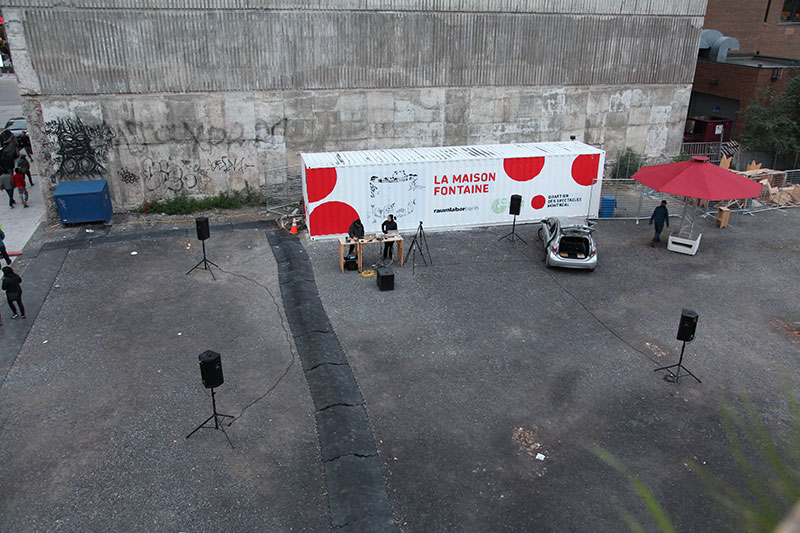
LSCDC à la maison Fontaine, octobre 2014, Montréal. Coproduction Goethe-Institut. Photo : Catherine Béliveau.
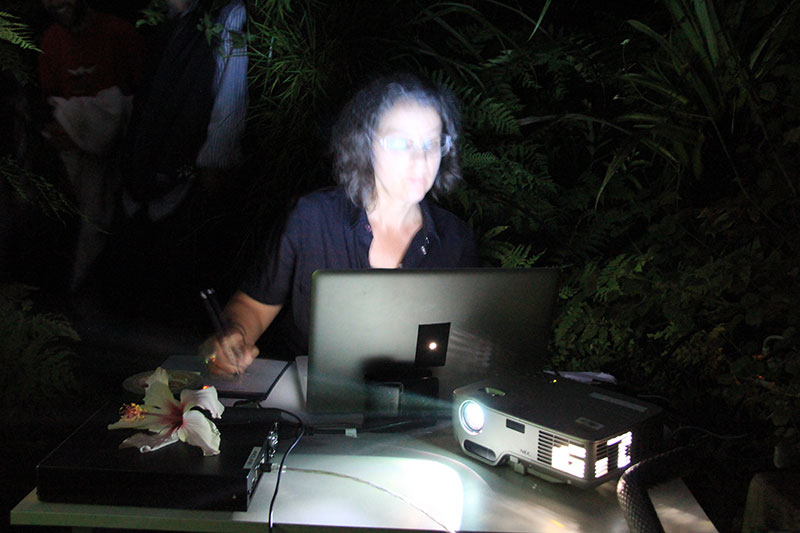
LSCDC au Pukekura Botanical Garden, New Plymouth, New Zealand, jan 2011. Photo : Keith Armstrong.
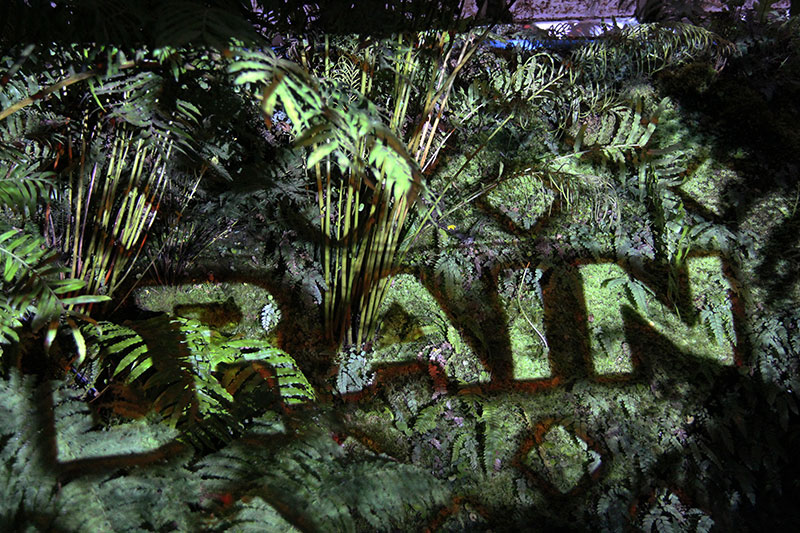
LSCDC au Pukekura Botanical Garden, New Plymouth, New Zealand, jan 2011. Photo : Keith Armstrong.
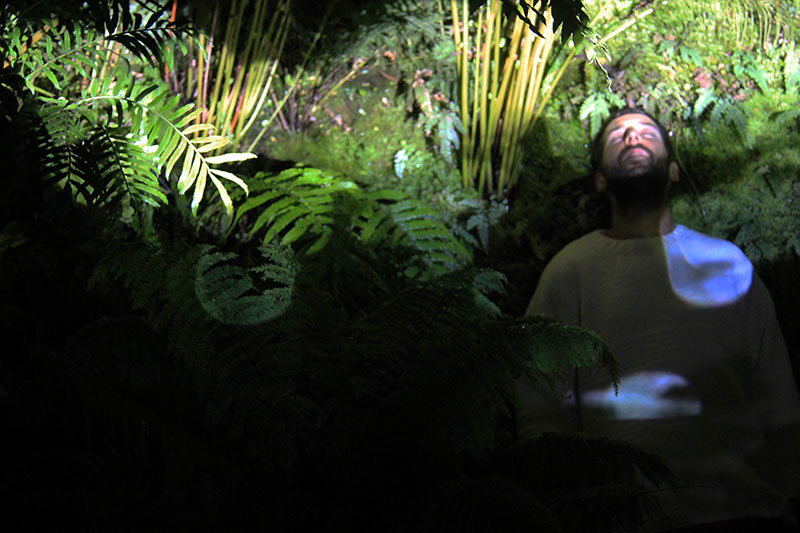
LSCDC au Pukekura Botanical Garden, New Plymouth, New Zealand, jan 2011. Photo : Keith Armstrong.
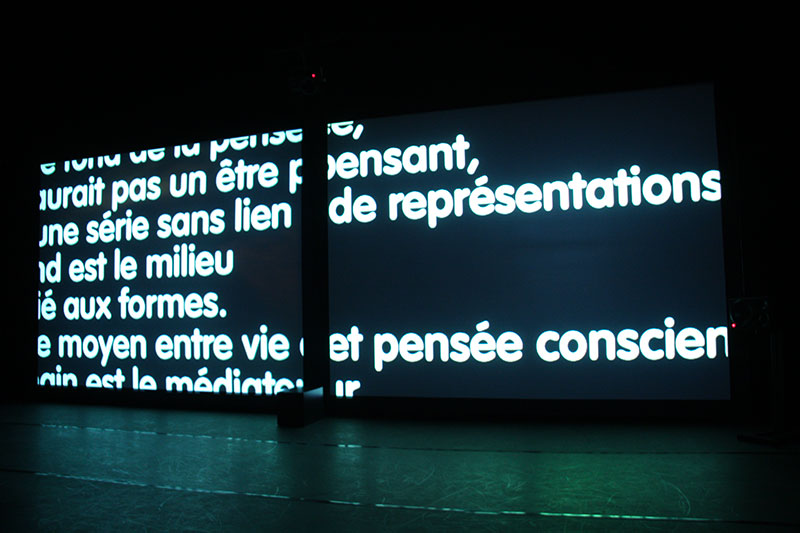
LSCDC au Festival Temps d’Images, Usine C, Montréal, février 2009. Photo : Jacques Perron.
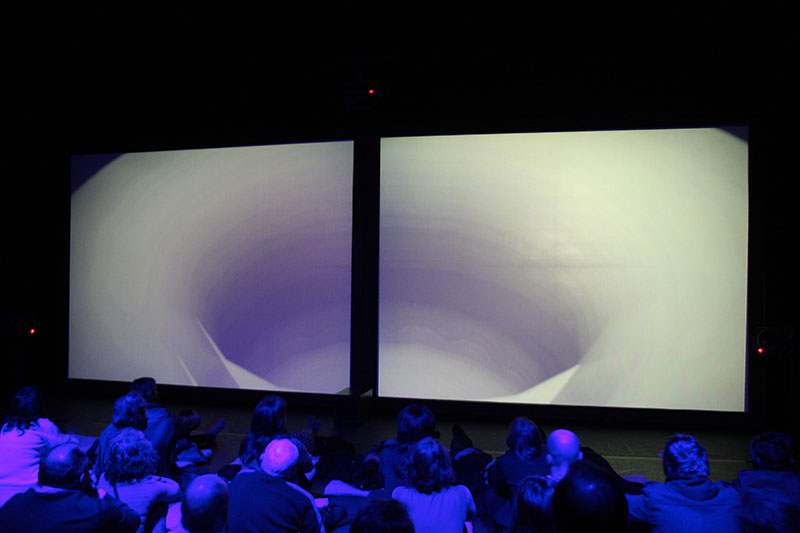
LSCDC au Festival Temps d’Images, Usine C, Montréal, février 2009. Photo : Jacques Perron.
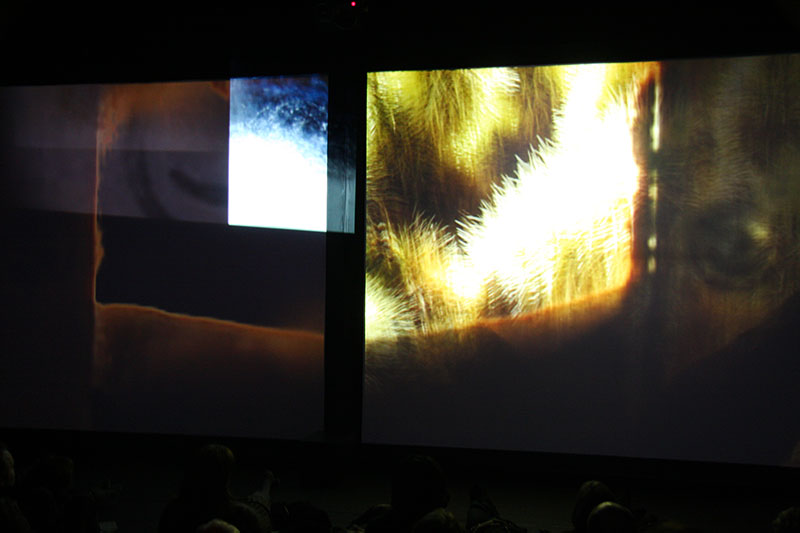
LSCDC au Festival Temps d’Images, Usine C, Montréal, février 2009. Photo : Jacques Perron.
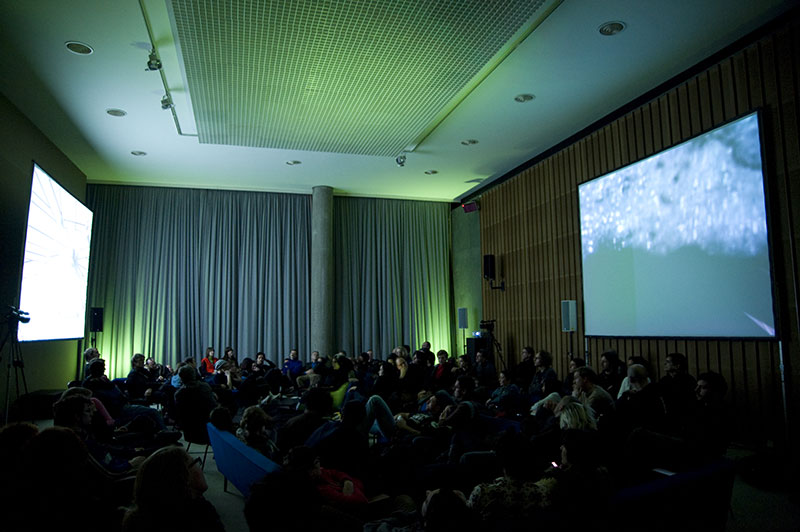
LSCDC à Deep North, Transmediale, Haus der Kulturen der Welt, Berlin, Allemagne, 2009. Photo : Jonathan Gröeger.
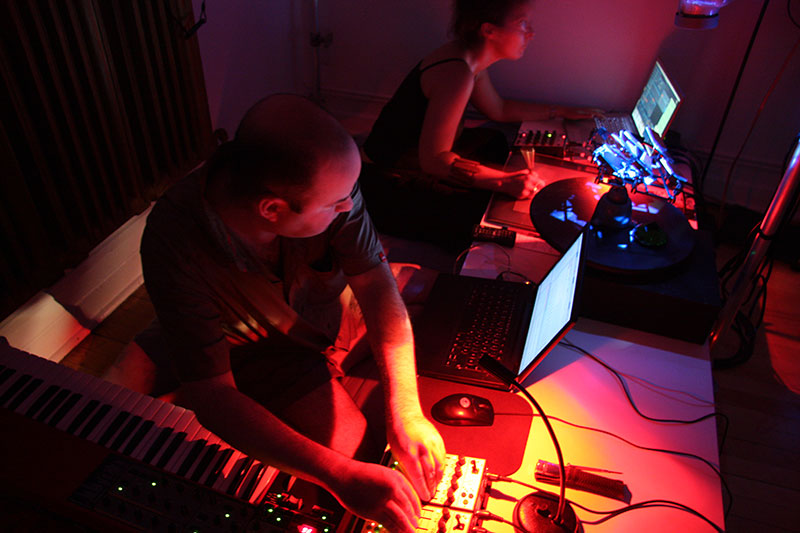
LSCDC à Flevoland, Montréal, 2008. Photo : Jacques Perron.
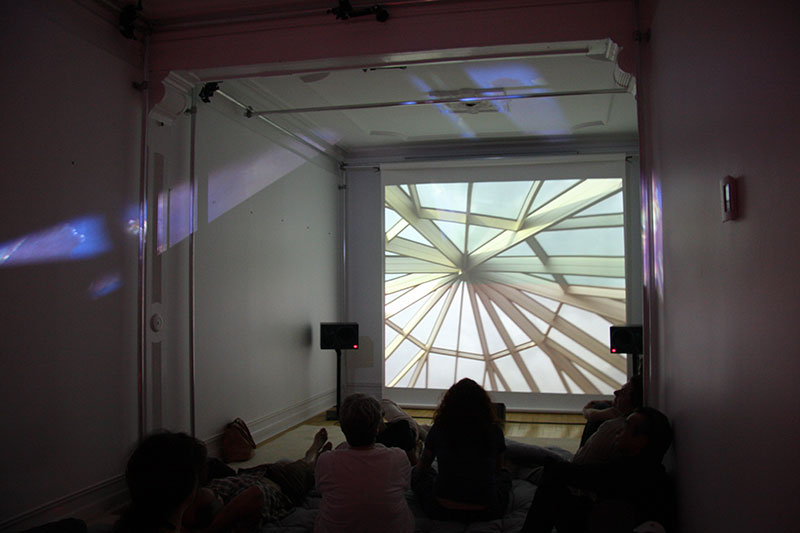
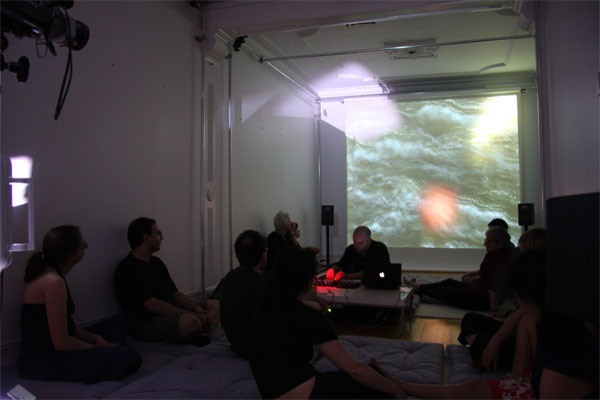
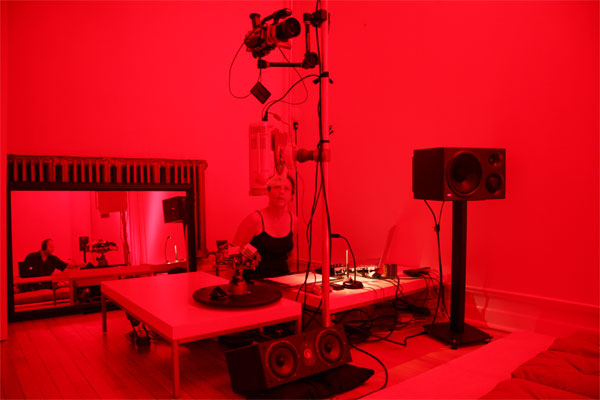
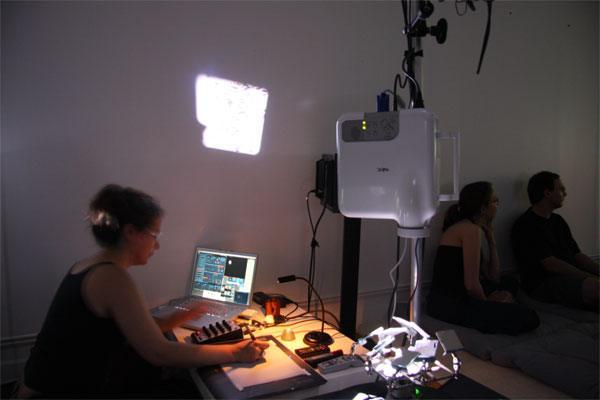
LSCDC à Flevoland, Montréal, 2008. Photo : Jacques Perron.
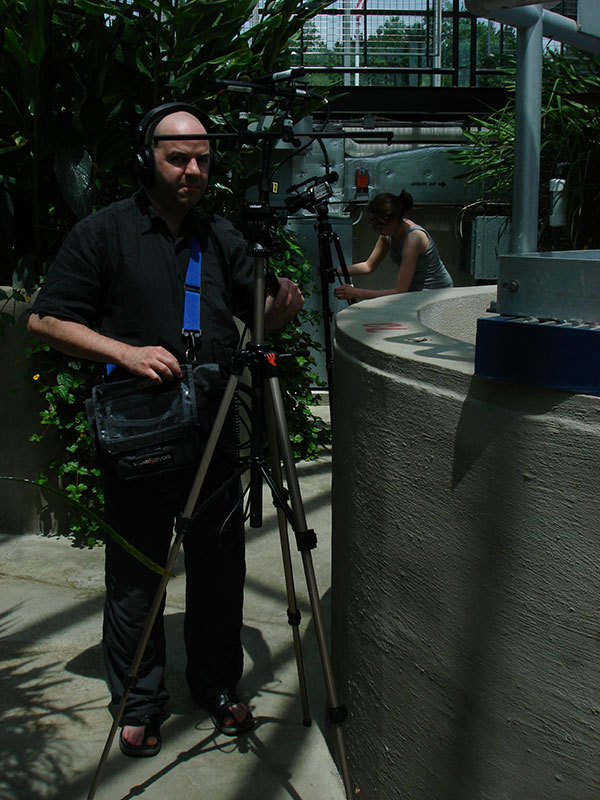
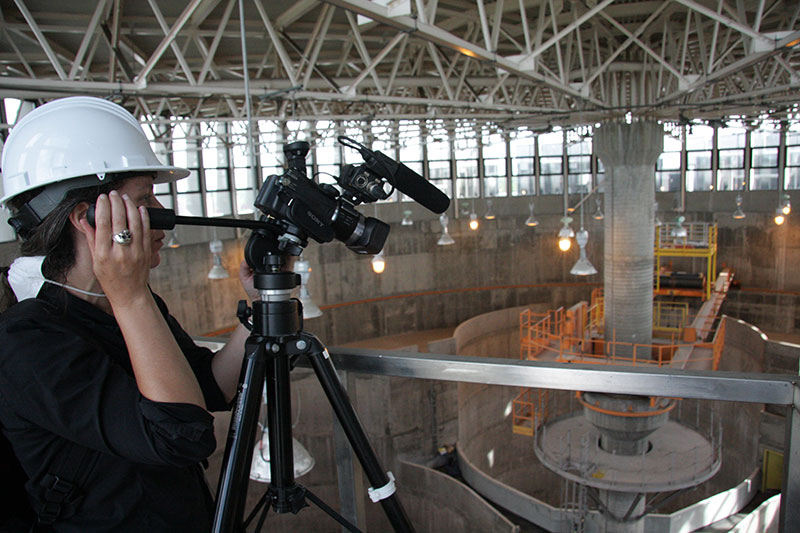
Stéphane Claude et Catherine Béliveau au Eco-Machines, Sharon North Welcome Centre, Vermont, 2007.
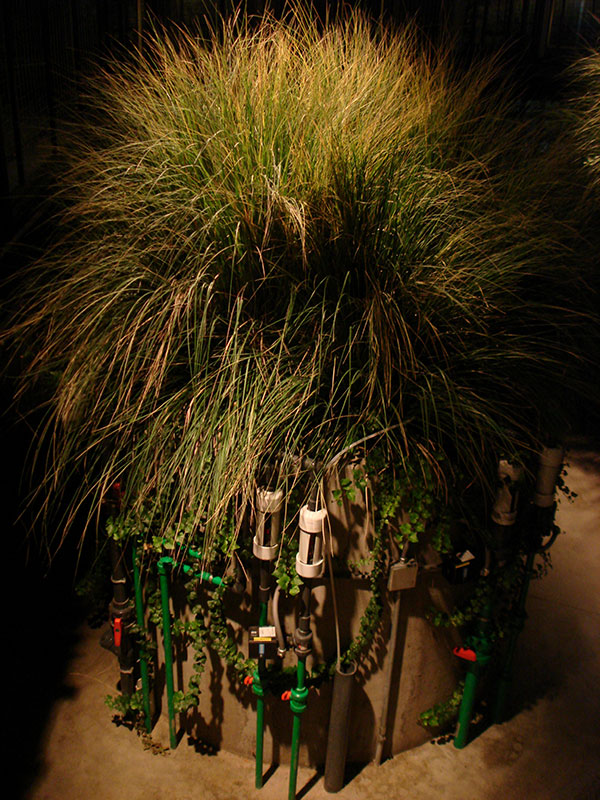
Eco-Machines, Sharon North Welcome Centre, Vermont, 2007.
À la Station d’épuration des eaux usées, Montréal, 2008. Photo : Jacques Perron.
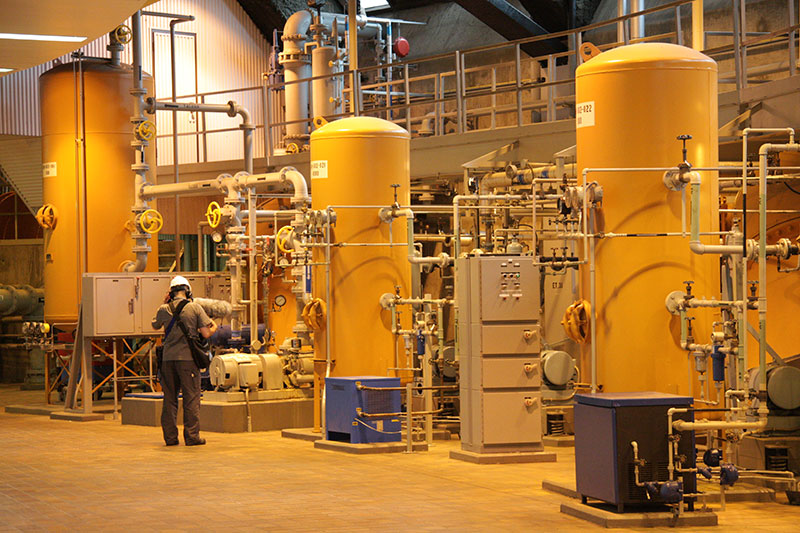
À la Station d’épuration des eaux usées, Montréal, 2008. Photo : Jacques Perron.
-
riding (2011)
CDr
Connect the ride with the elements and life forces in flux. Recirculate blood and oxygen, exchanging at pulsed speeds. Moving in alignment, your kinetic mindfulness. Building a new body of steel and wind.Riding was born upstream in January 2011, at the SCANZ residency in New Zealand. Artists, scientists, Maori scholars and water people gathered together to exchange and actualize their views and ideas about the re-imagining of relationships with nature. Stéphane Claude, along with Gisèle Trudel stayed in a traditional long house at Waitara Marae for 3 days. Here they began a 2 week research and creation residency, meeting amazing people and co-creating new contexts for artistic practices. The residency culminated for them in a one night performance at the Fernery House 1 of the Pukekura Park botanical gardens. They performed during the evening, in the dark, with a multi-speakers arrangement (studio monitors, battery operated speakers) and video projected onto the fern’s room.
Riding is comprised of field recordings, synthesizer sequences and binaural beating oscillating sine waves gathered in an uninterrupted ride. Sparse processing was done to the original field recordings: volume movements, EQ and soundfield manipulations. The recordings were collected in a trance-like posture, when listening becomes the musical unfolding of a conversation between phenomena. Blending, giving and opening up to transduction, physically.
Duration: 39:01
Format: CD-R
Edition: 200
Release Date: December 1, 2011*
Cover: Gisèle Trudel
Dragon’s Eye Recordings (Los Angeles) -
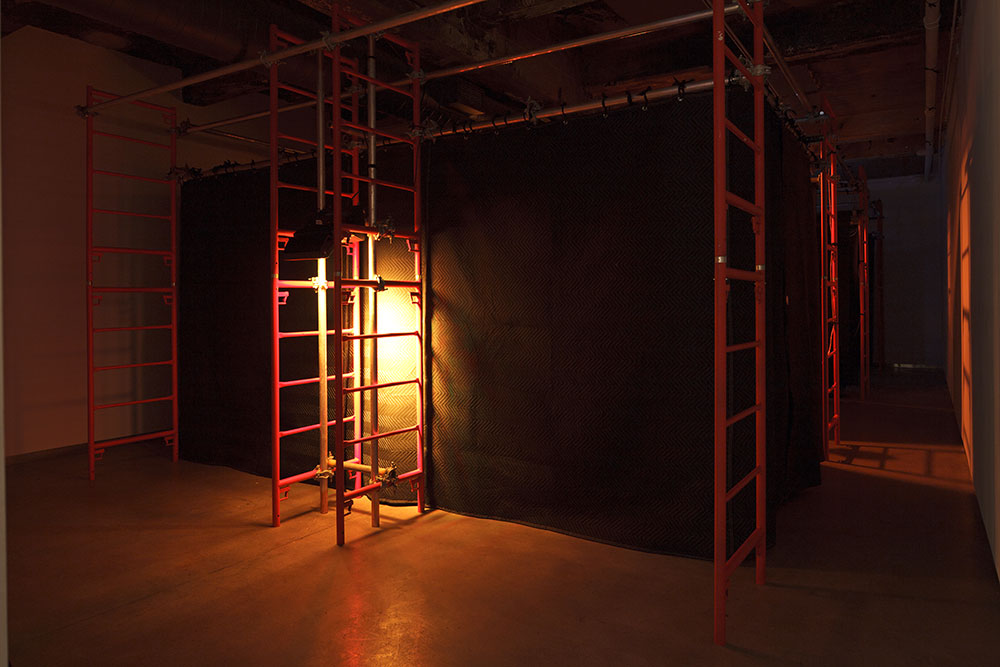
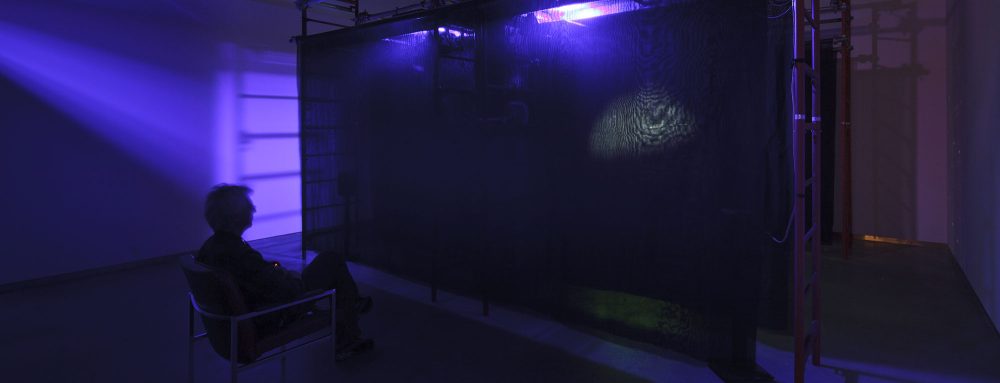
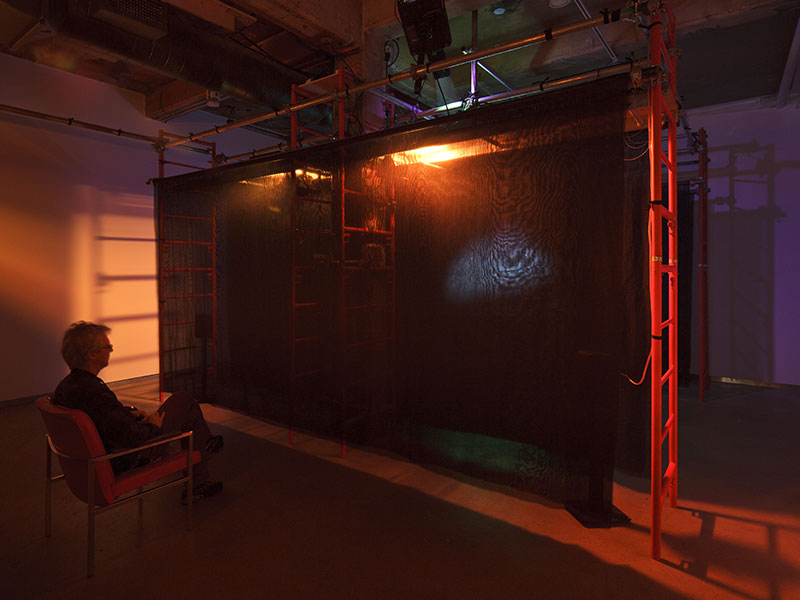
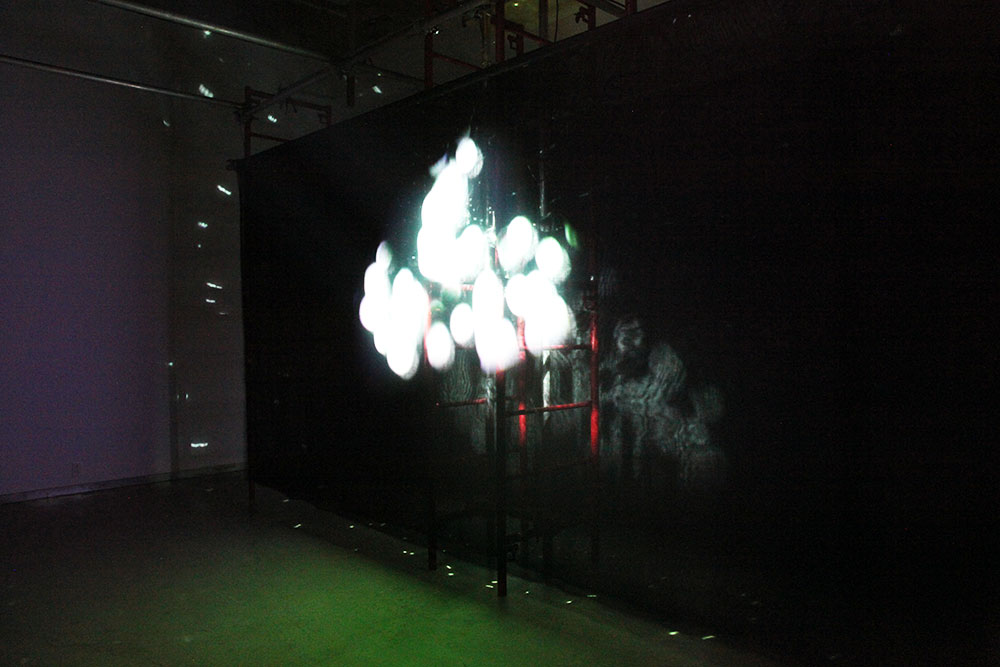
l’espace du milieu (2011)
Permutational installation and night projection
L’espace du milieu explores the reflexive emanations of the middle zone which supports life, between earth and sky. The middle (or centre or interval) operates multiples changes with what surrounds it.
There also accumulates greenhouse gases, ionospheric manipulations of the weather, chemical and bacterial aerosols. The work is experiential, inflecting the vibrational activity of middle spaces, which include and exceed humans.Credits and thank you
Jim Bell, Nancy Bussières, Philippe-Aubert Gauthier, Florian Grond, Laurent Lamarche, Simon Rolland, Daniel Courville, Natalie Lafortune, Catherine Lamontagne-Drolet, Keith McMullen, Christian Miron and Martin Pelletier.
With the support of Hexagram-UQAM, Grupmuv and OBORO.Presented at the Darling Foundry
Montreal
In situ project in 3 parts
February 16 – April 10, 2011
Part 1 : production residency in the small gallery, February 16 to March 9.
Part 2 : multiprojection at night on the transluscent windows on Prince Street.
February 26 to March 5, 6pm to midnight.
Launched during Nuit Blanche, February 26, 5pm to 5am.
Part 3 : installation in the small gallery, March 11 to April 10.
Opening March 10.
Artist talk April 7.Project produced with the financial assistance of the Canada Council for the Arts, the Conseil des arts et des lettres du Québec, the Programme d’aide financière à la recherche-création de l’UQAM (PAFARC) and the Fonds de recherche québécois société et culture (FQRSC).
Photos : Guy L’Heureux, Jacques Perron et Gisèle Trudel
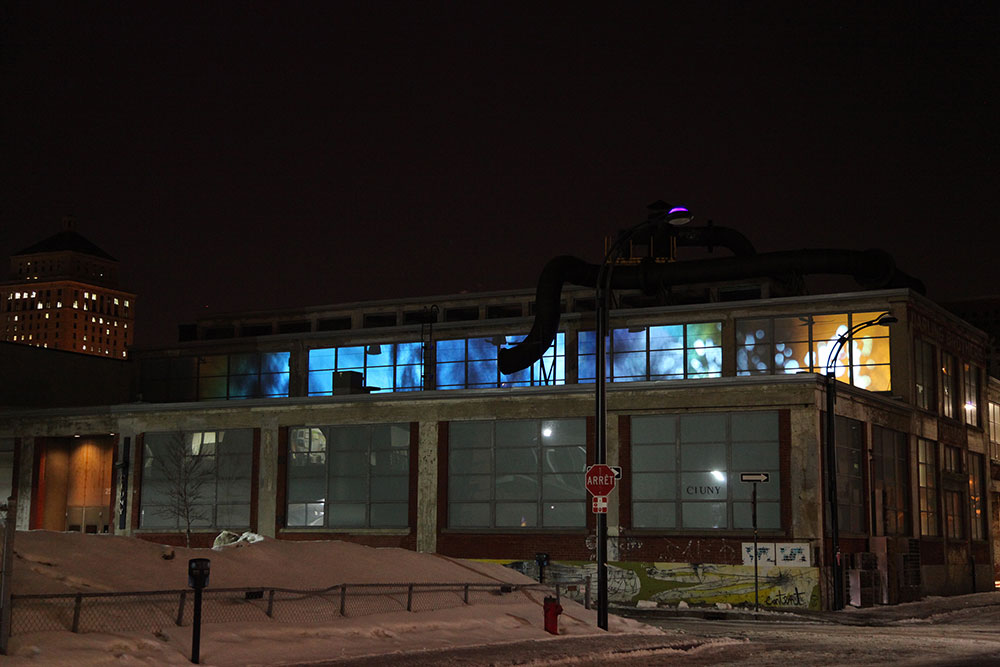


-
data (2003-2009)
Photo cover : Paul Litherland
media installations
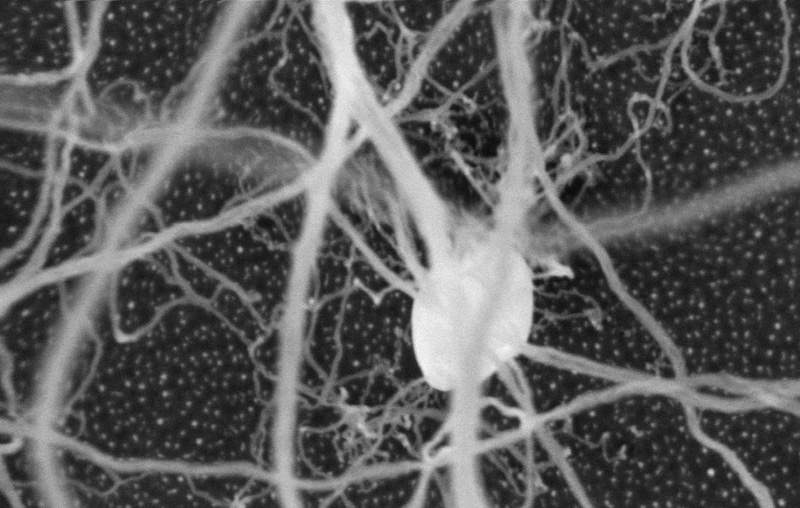
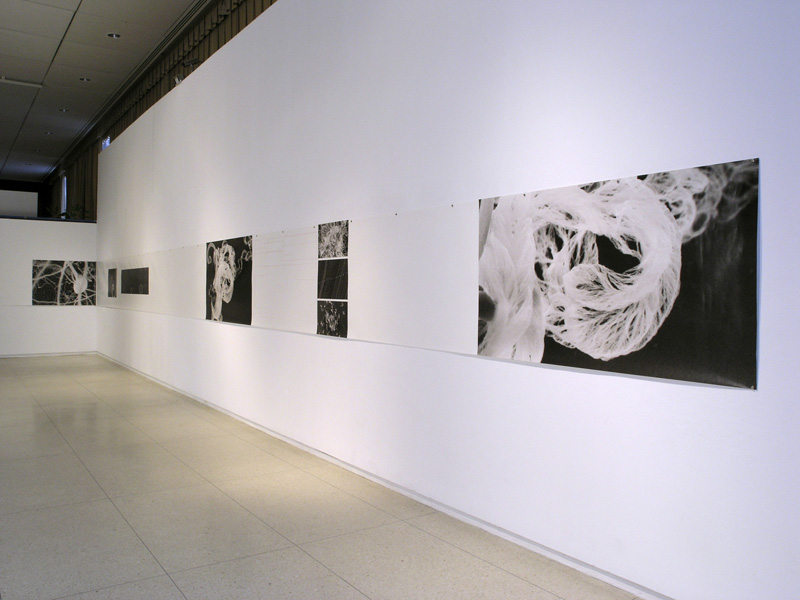
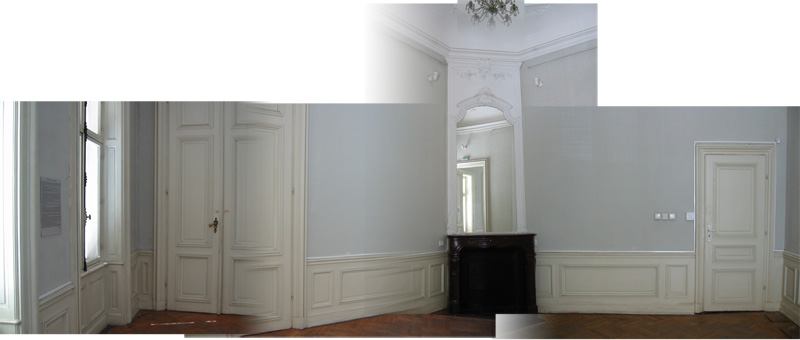
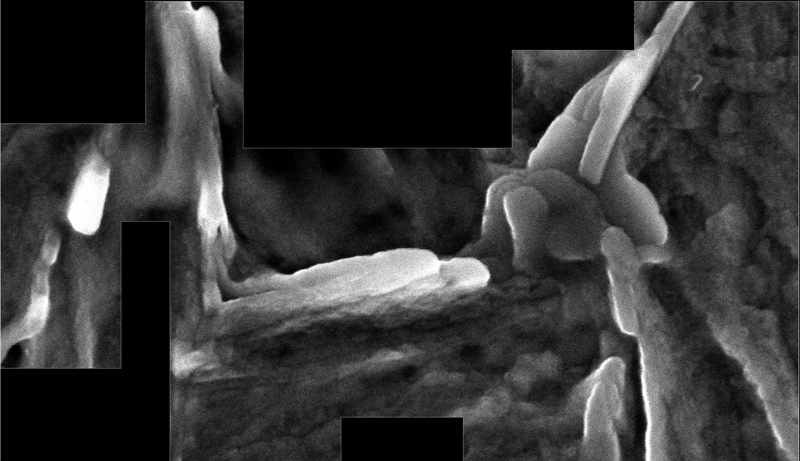
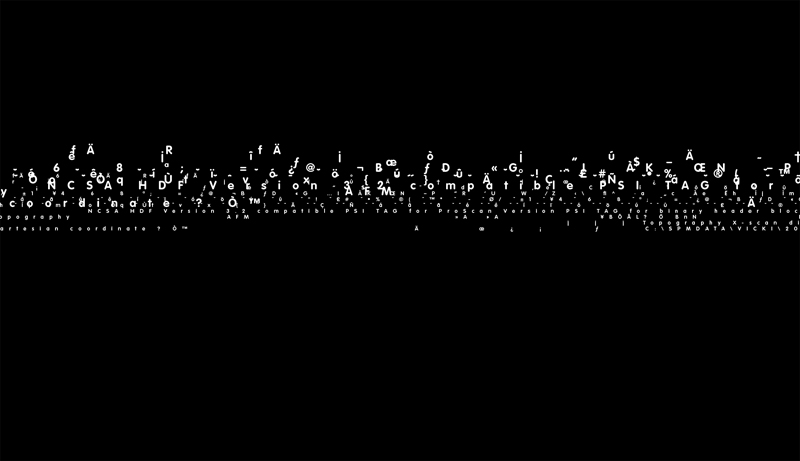
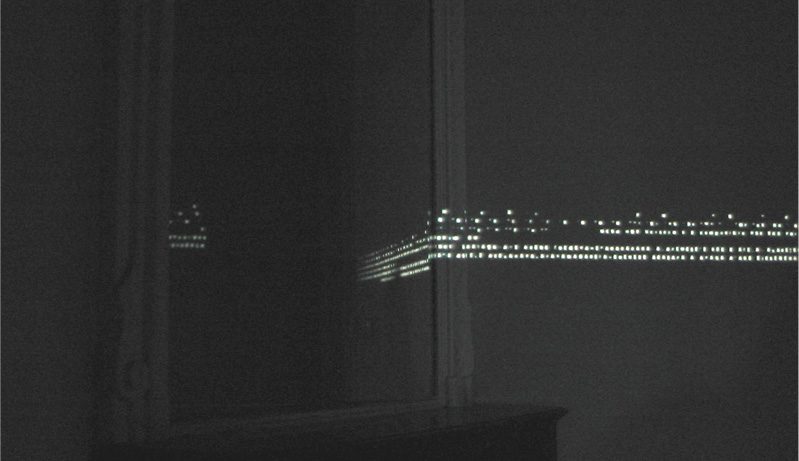
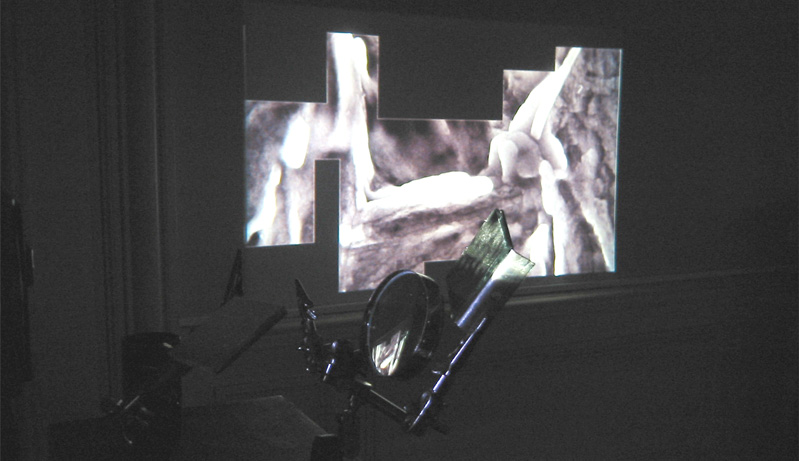
DATA is research on the “forces” of the image at different scales of perception, produced through an artist residency with Dr. Vicki Meli at the Nanolab of McGill University’s Chemistry Department (Dr. Bruce Lennox, Chair and Director).A relationship blossomed over the 8-month period (July 2003-Feb 2004) with both scientists, which led us to discuss issues around imaging, education, ethics, ecology, and the relationship between art and science.
We were able to work with various digital micro and nano imaging technologies, the SEM (Scanning Electron Microscope), the AFM (Atomic Force Microscope) and the STM (Scanning Tunneling Microscope), view physical samples and subsequently record them as 2D files, 3D mappings of surfaces and live video output.
Funding from The Daniel Langlois Foundation for art, science and technology.
Presentation venues
National Gallery of Sofia, Bulgaria Sept-Oct 2003, group exhibition Radical:Vaguely, Rossitza Daskalova, curator.
Solo exhibition, Saidye Bronfman Centre for the Arts, curated by Sylvie Gilbert, Dec 2004-Jan 2005.
DATA, video, Gala evening, ACFAS, Salle Pierre-Mercure, Montréal, 10 May 2004
DATA: Transfers, oeuvre Web, Horizon Zéro, numéro 14 RÊVER, Banff new media institute, Banff 24 April 2004
InterAccess, group exhibition SCALE, curated by Camille Turner, June 2006. Presented by Subtle Technologies 2006
Millenium Museum, group exhibition INSIDE, curated by Sylvie Parent, Beijing, China, July 2006. Presented by Groupe Molior
Maison des artistes, Winnipeg, Manitoba. Groupe exhibition REGARDS curated by Kevin Kelly, March-May 2007
Paço das Artes, group exhibition INSIDE, curated by Sylvie Parent, Sao Paulo, Brazil, May-July 2008. Presented by Groupe Molior
Exposition collective, Le 25e printemps d’OBORO, 18 avril – 2 mai 2009Solo exhibition, Saidye Bronfman Centre for the Arts, curated by Sylvie Gilbert, Dec 2004-Jan 2005. Photos : Paul Litherland.
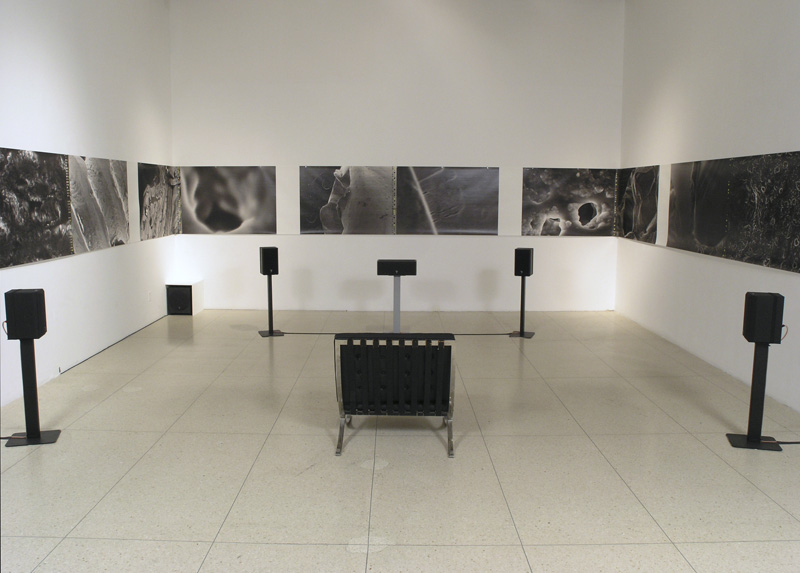
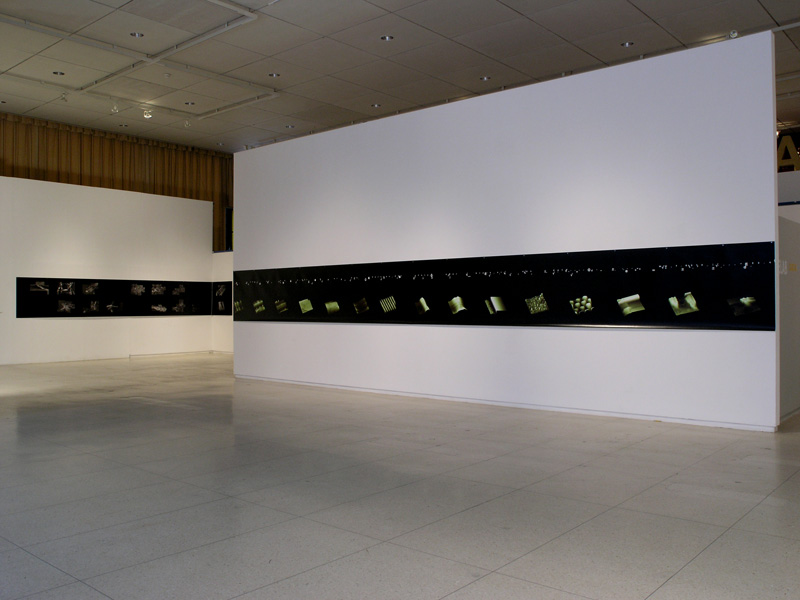
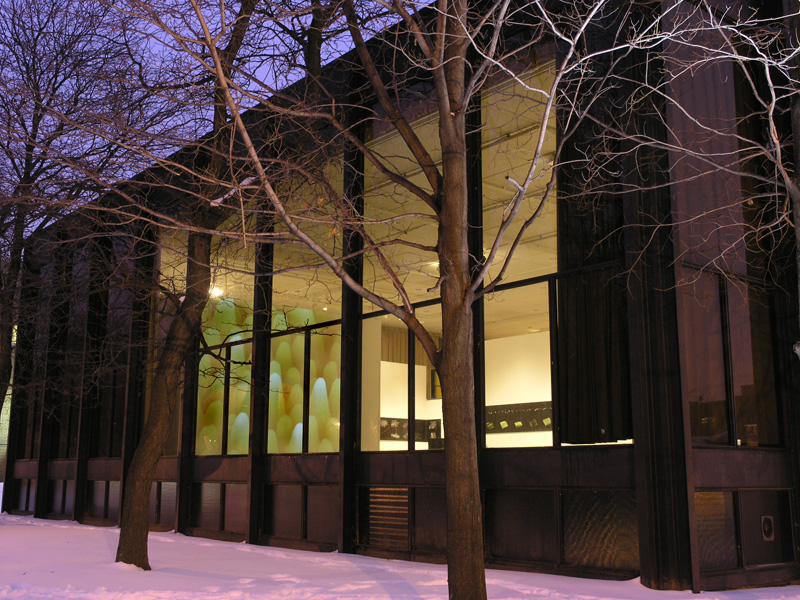
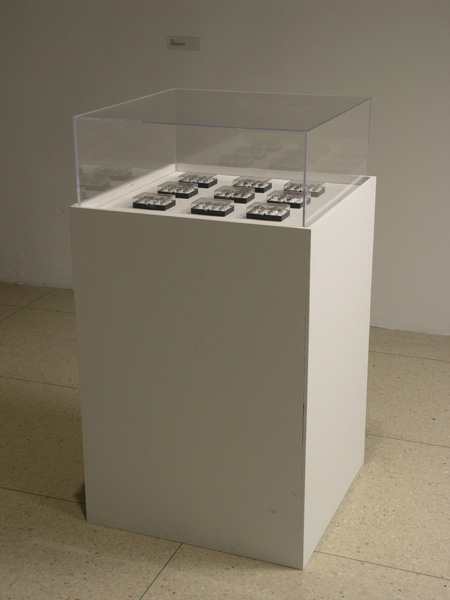
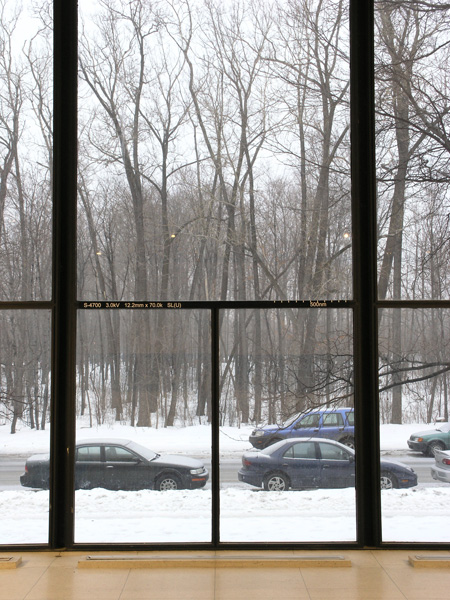
National Gallery of Sofia, Bulgaria Sept-Oct 2003, group exhibition Radical:Vaguely, Rossitza Daskalova, curator
-
selfsimilarity (2001)
Web project
In July 2001, we were invited by Boréal Art/Nature to research and do the pre-production for a new web project, based on graphic work of Ernst Haeckel, a 19th-century artist and biologist (1834-1919).
Original objects and natural phenomena discovered and observed on site at La Minerve, Québec are digitized with a video camera and scanner onto a portable computer. The juxtaposition of these elements are grouped into a series of 2D computer studies for the web, including animations, video and text, inspired by the progression of associative and formal lithographic works which make up the KunstFormen der Natur series elaborated by Haeckel from 1899 to 1904.
Our fascination for this portfolio of strange and beautiful imagery is because it is usually invisible to the naked eye.